





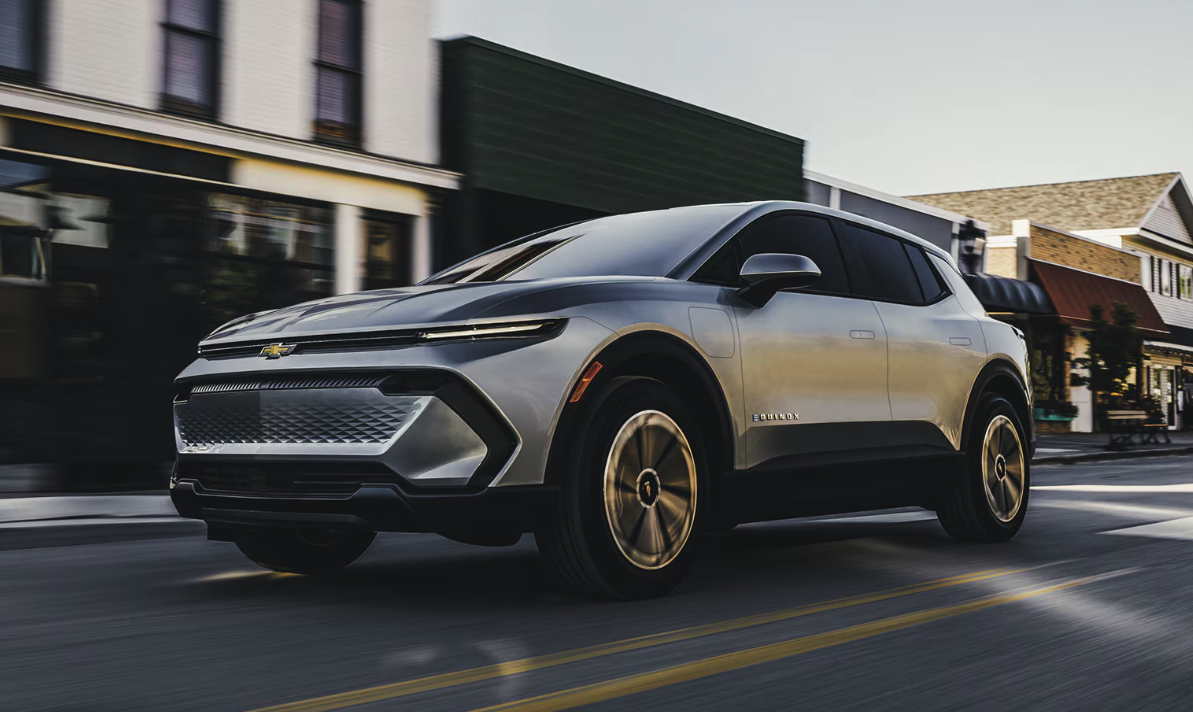
If you’re searching for 2026 Chevrolet Equinox EV range and charging near Bartlett, TN, here’s the direct answer: the 2026 Equinox EV is rated at 319 miles of EPA-estimated electric range with FWD and 307 miles with available AWD; it starts at $34,995 for LT 1, with LT 2 and RS priced higher for added comfort and tech. In charging terms, GM guidance for Equinox EV lists standard DC fast charging up to 150 kW, with about 77 miles of range added in 10 minutes under ideal conditions, plus Level 2 AC charging at 11.5 kW that can add up to 34 miles of range per hour per GM estimates.
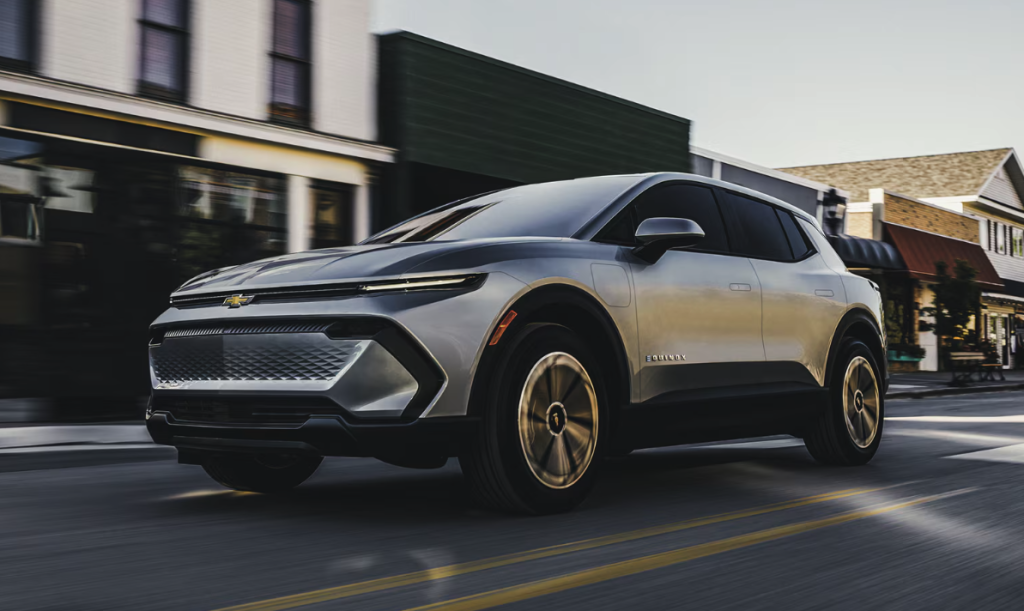
For Bartlett drivers, that means an EV SUV that can cover most weekly routines with fewer public charging stops, then top off at home overnight. FuelEconomy.gov lists the 2026 Equinox EV FWD at 108 MPGe combined and 31 kWh/100 miles, and it lists the AWD (11 kW Charger) at 103 MPGe combined and 33 kWh/100 miles, which helps frame operating cost expectations in a more apples-to-apples way than marketing headlines. Chevrolet also positions Equinox EV for practical ownership with 57.2 cu. ft. max cargo volume, a standard 17.7-inch diagonal center screen, and over 20 standard safety and driver assistance features.
Equinox EV Battery Range and Charging Speeds
Key Takeaway: For Bartlett buyers, the Equinox EV’s real advantage is its 319-mile EPA range on FWD paired with a simple charging plan: Level 2 at home most nights; DC fast charging for longer drives.
EPA range and energy use: what the 319-mile number really means
The 319-mile EPA-estimated range for the 2026 Equinox EV FWD is a standardized rating; it is not a promise that every drive will land at the same number. The engineering reality behind range is energy in versus energy out. Energy out is driven by speed, acceleration, grade changes, cabin heating or cooling, tire pressure, and how often you ask the vehicle to fight aerodynamic drag. A compact EV SUV can be very efficient in mixed driving, then consume noticeably more energy at sustained highway speeds because drag increases quickly as speed rises.
FuelEconomy.gov helps translate “range” into consumption and cost math. The 2026 Equinox EV FWD listing shows 31 kWh/100 miles and 108 MPGe combined, while the AWD listing shows 33 kWh/100 miles and 103 MPGe combined. Those kWh/100-mile figures are especially useful because they let you estimate charging cost based on your local electricity rate. For example, if you pay 14 cents per kWh, 31 kWh/100 miles implies roughly $4.34 per 100 miles in energy, before losses and charging inefficiency are considered. That is the practical difference between “EV curiosity” and “EV plan”; you can build a realistic budget with one number.
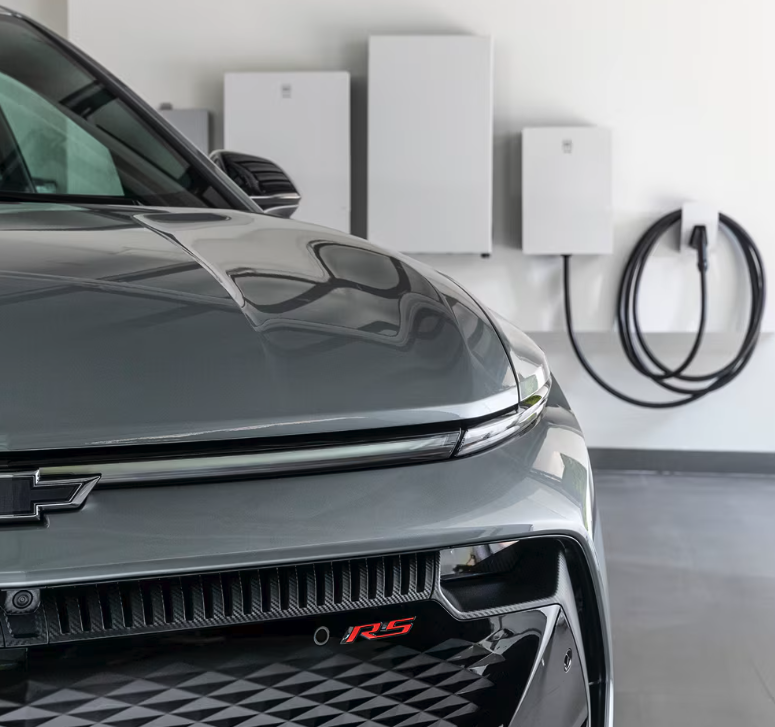
The second key range factor is drivetrain. Chevrolet lists 307 miles EPA-estimated range with available AWD. AWD versions carry additional hardware and can apply torque to more than one axle; that can increase traction confidence but often reduces efficiency. For Bartlett drivers, the choice is not ideological; it is situational. If your week is mostly commuting, errands, and school drop-offs, FWD range can be the best value. If you want added traction confidence in heavy rain, uneven surfaces, or you simply prefer AWD feel, the 307-mile rating is still a strong headline for a compact EV SUV.
Chevrolet highlights Regen on Demand, Cabin preconditioning, and One Pedal Driving as range-supporting behaviors and features. Cabin preconditioning matters because heating and cooling can be a meaningful load; if you condition the cabin while plugged in, you pull energy from the outlet rather than the battery for the initial temperature change. The result is not just comfort; it is a better chance of starting your drive with the battery focused on propulsion energy.
DC fast charging logic: why 10% to 80% is the practical target
DC fast charging is where EV ownership either feels easy or feels frustrating; the difference usually comes down to understanding how batteries accept power. GM TechLink guidance for Equinox EV notes standard DC fast charging capability up to 150 kW, enabling approximately 77 miles of range to be added in 10 minutes per GM estimates, and it also notes that actual charge times vary based on battery state of charge, battery condition, charger output, vehicle settings, and outside temperature. That variability is not a loophole; it is battery physics. Batteries accept higher power more easily at lower states of charge, then taper power as the pack fills to protect cell health and manage temperature.
If you want a fast road-trip stop, you usually aim for the “fast zone,” then leave before the taper becomes steep. That is why many EV drivers plan stops around 10% to 80% rather than charging to 100% on DC fast chargers. GM TechLink also states a practical ownership guideline: to maintain healthy battery life, it is recommended to charge the vehicle to 80% for normal driving conditions. In daily life, that advice aligns with efficient time management; you spend less time chasing the last 20% and you still have plenty of range for almost all days.
Charger capability also matters. Chevrolet states that Equinox EV owners can access more than 250,000 available public chargers, including over 20,000 Tesla Superchargers, using the myChevrolet mobile app; the page also notes you may need to order a GM-approved NACS DC adapter and activate public charging inside the app. That ecosystem piece is a major ownership difference compared with early-generation EVs; access and payment integration reduce friction. GM Energy also describes its NACS DC adapter as connecting GM EVs to over 27,500 Tesla Superchargers; the takeaway is that access is expanding and the exact number can grow over time.
For Bartlett drivers, the best charging strategy is simple: keep a Level 2 plan at home for routine energy; use DC fast charging for Memphis-area day trips and longer drives. The Equinox EV’s range gives you flexibility in how often you need those DC fast stops, and the fast-charge capability gives you flexibility in how long a stop needs to be when you do use it.
Home Level 2 charging engineering: the “set-and-forget” ownership plan
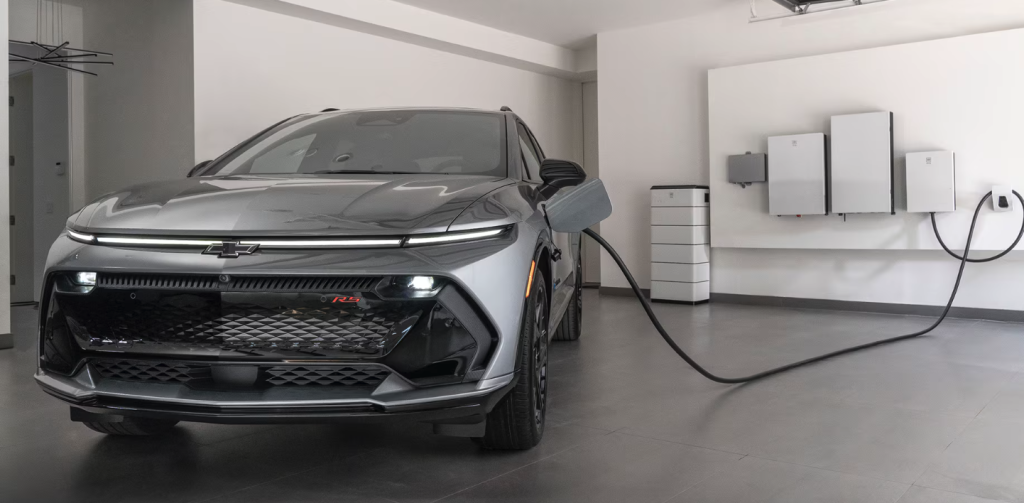
Home charging is where EV ownership becomes calm. GM TechLink guidance lists standard Level 2, 240-volt, 11.5 kW AC charging, adding up to 34 miles of range per hour per GM estimates using an OEM-recommended wall unit; it also notes Level 1 120-volt charging is standard. The Level 1 option is fine as an emergency or low-mileage solution, but Level 2 is the system that makes an EV feel effortless for most households.
FuelEconomy.gov provides a practical anchor for charge time: both the 2026 Equinox EV FWD and AWD listings show 9.5 hours at 240V as “Time to Charge Battery.” That number supports a typical pattern: plug in after dinner, wake up with a full or near-full pack, then run your day without thinking about energy. This is also where scheduling matters. Many utilities have time-of-use pricing; charging overnight can reduce cost. Even without special pricing, overnight charging spreads the load across hours instead of creating a “rush” like a gas station stop.
There is also a technical reason home charging is gentler. Level 2 charging is lower power than DC fast charging, which generally means less heat generation in the pack and less need for aggressive thermal management. That aligns with long-term battery health; you keep DC fast charging for the moments it matters rather than using it as your primary routine.
Finally, charging should match your driving. If you commute 30 miles round trip and you average 31 kWh/100 miles on the FWD rating, you are using roughly 9.3 kWh per day in propulsion energy, before losses. A Level 2 charger can replace that energy quickly, which means many owners do not need a full recharge daily. They simply maintain a comfortable buffer, often between 50% and 80%, then push higher before long trips. That is the ownership pattern that makes the Equinox EV feel like a normal SUV; it just happens to run on electricity.
Equinox EV Trim Levels and Starting Prices
Key Takeaway: LT 1 is the value entry point at $34,995; LT 2 adds comfort and safety upgrades; RS is the sport-styled choice with standard Chevy Safety Assist and available Super Cruise™ for drivers who want the most advanced hands-free capability.
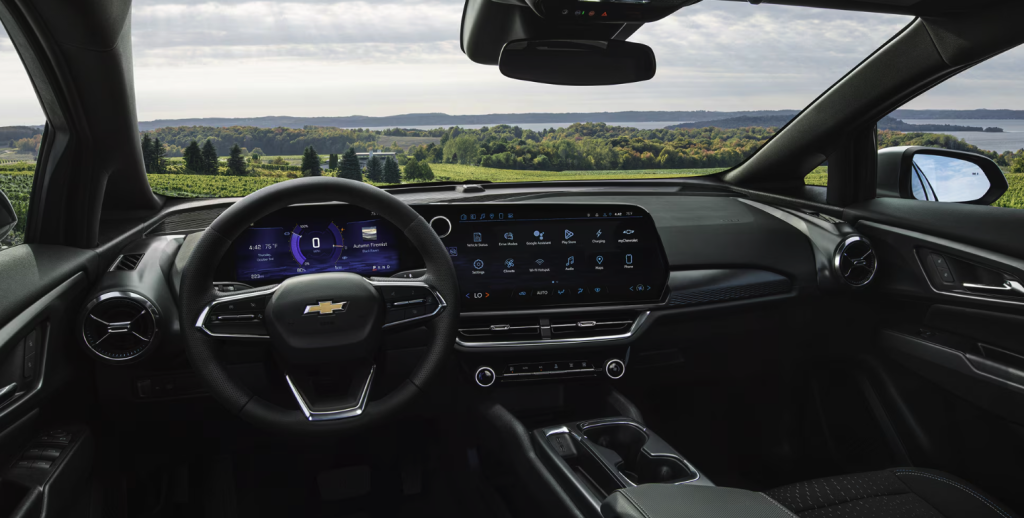
Chevrolet structures the 2026 Equinox EV lineup around three models: LT 1, LT 2, and RS. All three share the key fundamentals that make this EV a strong Bartlett fit: 319 miles EPA-estimated range with FWD, 307 miles with available AWD, a standard 17.7-inch diagonal center touch-screen, and a safety baseline built around Chevy Safety Assist. Where trims separate is in how they bundle visibility tech, convenience features, and appearance.
Chevrolet lists LT 1 starting at $34,995; LT 2 at $41,795; and RS at $44,095. Those price anchors matter because they frame the “value EV SUV” story in a way that is easy to compare against a gas-powered Chevy Equinox and against other EV crossovers. Within the Chevy lineup, the first decision is Chevy vs Chevy: do you want an all-electric compact SUV, or do you want the gas Equinox’s traditional fueling routine? If you do a lot of highway miles and prefer a quick refuel in every neighborhood, gas can still make sense. If your driving is predictable, your home charging is straightforward, and you like the quiet torque feel of EV driving, Equinox EV is a strong match.
Below is a technical, buyer-facing trim table built from Chevrolet’s model summaries.
| 2026 Equinox EV model | Range headline | Tech baseline | Safety baseline | Best fit for Bartlett drivers |
|---|---|---|---|---|
| LT 1 | 319 miles EPA-est. with FWD; 307 miles with available AWD | Standard 17.7-inch diagonal center touch-screen | Over 20 standard safety and driver assistance features | Value-focused EV shoppers who want maximum range per dollar |
| LT 2 | 319 miles EPA-est. with FWD | Adds features such as wireless phone charging; highlights advanced safety such as HD Surround Vision | Over 20 standard safety and driver assistance features | Drivers who want higher convenience and visibility tech without jumping to RS |
| RS | 319 miles EPA-est. with FWD | 17.7-inch screen with Google built-in compatibility; sport styling details | Standard Chevy Safety Assist; includes advanced safety such as HD Surround Vision | Drivers who want sport styling plus the most tech-forward package options |
LT 1 and LT 2 value strategy: what you are really buying
LT 1 is the cleanest value play because it puts the primary range number and the class-leading screen size on the table at the lowest entry point. Chevrolet highlights the Equinox EV’s 17.7-inch diagonal center screen, calling it the largest among EVs in its class, and that matters for daily usability: navigation, charging station location, and energy planning become less fiddly when the interface is visible and intuitive. Chevrolet also emphasizes over 20 standard safety and driver assistance features, which is important because EV shoppers often assume safety is tied to premium trims; on this lineup, the safety baseline is treated as a core product, not an upsell.
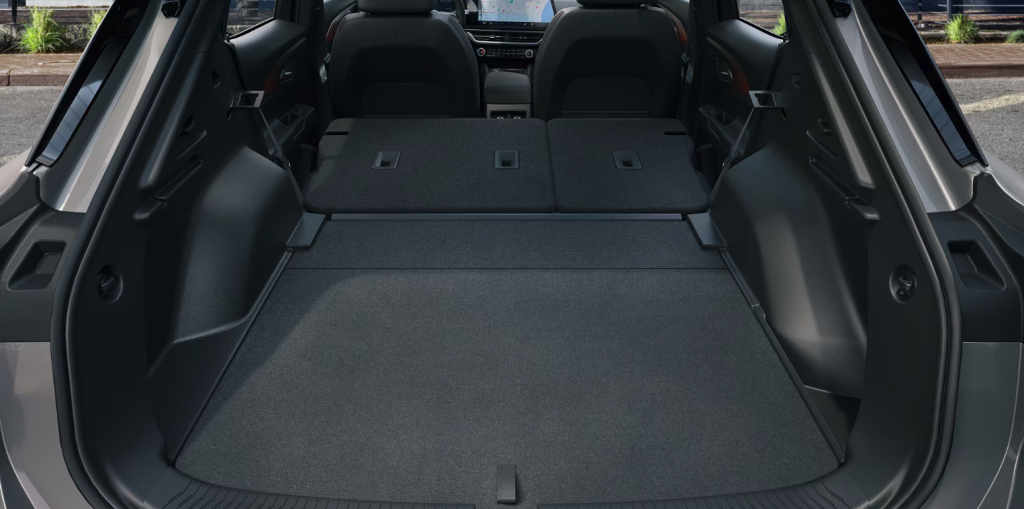
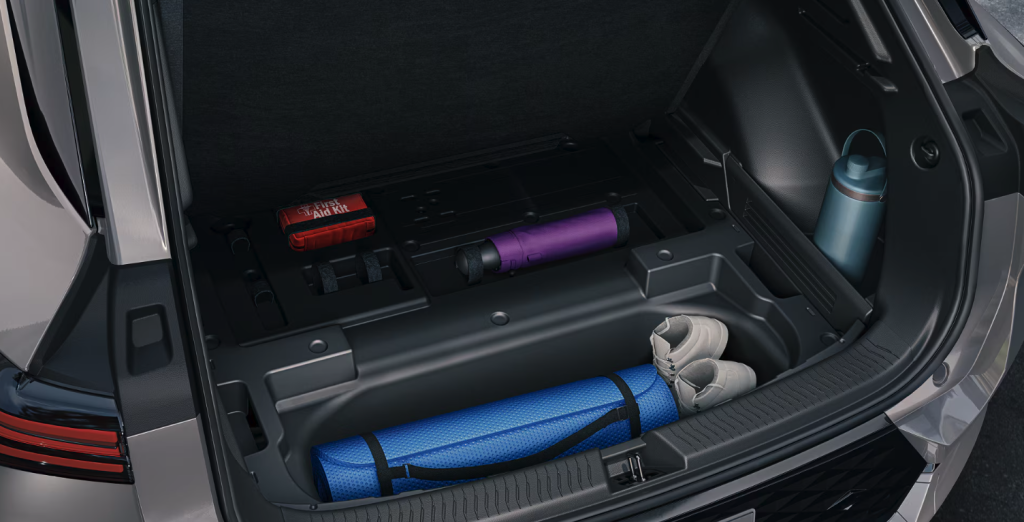
LT 2 is where the purchase shifts from “I want an EV” to “I want my EV to feel upgraded every day.” Chevrolet lists LT 2 with features such as wireless phone charging and points to advanced safety features such as HD Surround Vision. In real ownership, HD Surround Vision reduces parking and low-speed maneuver stress, especially in tight lots around retail corridors and school events. Wireless charging is not a party trick; it reduces cable clutter and keeps phones topped up, which matters because EV ownership typically increases app usage for route planning and charging. Chevrolet also highlights the cabin and cargo practicality, including 57.2 cu. ft. max cargo volume and a dual-height cargo floor. That kind of packaging is what makes the Equinox EV feel like a real family SUV rather than a compact hatchback with an electric badge.
From a decision standpoint, LT 1 versus LT 2 is usually decided by your tolerance for optionality. If you are happy with a strong baseline and you want the lowest entry point, LT 1 makes sense. If you prefer to bundle convenience and visibility tools from day one, LT 2 tends to be the “buy once, enjoy daily” step.
RS performance and technology: Super Cruise™ and the sport-styled ownership feel
RS is the trim for drivers who want a stronger design identity and the most aggressive tech path in the lineup. Chevrolet describes RS as having bold looks and a sporty attitude; it also lists features including the 17.7-inch diagonal center touch-screen with Google built-in compatibility, plus styling cues like black emblems, mirrors, and 21-inch black wheels. The real RS value, though, is how it aligns with higher-tier packages and driver assistance features that make long drives less tiring.
Chevrolet lists available Super Cruise® driver assistance technology on the Equinox EV. Super Cruise™ is a hands-free driver assistance system designed for compatible roads; it is not a replacement for an attentive driver. Chevrolet includes the standard safety disclaimer that driver assistance features do not replace driver responsibility and that conditions can affect performance. For Bartlett drivers who regularly run long highway stretches, Super Cruise™ can reduce fatigue by managing routine lane-keeping and pace on supported roads, while the driver remains responsible for the full driving task and must stay attentive.
RS also makes sense if you want your EV to feel premium without stepping into a larger vehicle. In practice, the sport-styled design cues can hold appeal over time; if you keep your SUV for years, you want it to still feel like “your choice,” not just “the sensible choice.” RS is that blend: it keeps the range headline, keeps the screen advantage, then adds identity and the path to the most advanced driver assistance experience Chevrolet offers in this class.
Schedule an Equinox EV Test Drive at Dobbs Brothers Chevrolet
Key Takeaway: The fastest way to choose your 2026 Equinox EV configuration is to drive FWD and AWD back-to-back, then validate your charging plan and commute route with local Dobbs Brothers guidance.
Bartlett ownership is specific; it is not the same as downtown-only driving and it is not the same as rural-only driving. Your week is usually a blend: commutes that touch I-40 or Highway 64, school routes and errands, and weekend trips toward Memphis attractions or parks. That blend is exactly where the Equinox EV’s strengths show up: a strong EPA range on FWD, meaningful range even on AWD, and a charging ecosystem that supports both home routine and public top-offs.
Chevrolet’s charging section highlights more than 250,000 available public chargers and over 20,000 Tesla Superchargers accessible through the myChevrolet mobile app, with steps that include ordering a GM-approved NACS DC adapter and activating public charging in the app. That matters locally because it reduces “charger anxiety.” You are not limited to one network; you can plan around availability. Combine that with GM’s stated DC fast capability up to 150 kW and you have a road-trip system that is practical, not theoretical.

Just as important is service credibility. EVs still need tires, brakes, cabin filters, and software support; they also benefit from checks that keep driver assistance sensors and cameras working correctly. Our Certified Service Technicians at Dobbs Brothers can guide you on tire choices that balance efficiency with grip, and on maintenance patterns that match your actual mileage. On a vehicle built around advanced safety and driver assistance features, correct calibration and careful service procedures matter. Chevrolet’s own safety messaging emphasizes that conditions affect performance and drivers must remain attentive, which is exactly why keeping sensors clean, aligned, and functioning is part of responsible ownership.
Bartlett EV ownership notes: commuting, parking, and real-world range habits
If your weekday drive includes frequent stops, EV ownership can feel surprisingly smooth. One Pedal Driving and regenerative braking help recapture some energy during deceleration; Chevrolet highlights One Pedal Driving and Regen on Demand as tools to get more out of every charge. In stop-and-go conditions, that can translate to less wasted energy compared to constant friction braking. It also changes how the vehicle feels; deceleration becomes more controlled through the accelerator pedal, which many owners describe as more precise in traffic once they adapt.
Parking and low-speed maneuvering is another everyday reality. If you spend time around busy lots, you want visibility tools that reduce stress. Chevrolet calls out HD Surround Vision as an advanced safety feature in LT 2 and as part of RS safety and driver assistance features. This is not only about convenience; it can reduce low-speed incidents that lead to repair bills. When you’re carrying kids, sports gear, or a full grocery run, anything that makes parking simpler is a quality-of-life win.
Range habits matter too. Many owners get the most practical value by charging to a set target for daily use, then adjusting upward before longer trips. GM TechLink guidance recommends charging to 80% for normal driving conditions to maintain healthy battery life. That aligns with a “buffer” strategy: keep enough range for surprise errands without chasing 100% daily. For a Bartlett family, that means you can run the week with fewer charging decisions, then plan one higher charge level before a longer weekend drive.
Visit Dobbs Brothers Chevrolet of Bartlett’s website and use the Equinox EV inventory search tools to narrow your options by LT 1, LT 2, or RS. Save the vehicles you like so you can compare pricing, drivetrain availability, and key convenience features side by side. Use the Payment Calculator and Get Pre-approved pages so your EV choice is connected to a real monthly budget, not a guess. If you plan to install home charging, note your daily mileage and ask our team how to size your Level 2 routine around your week. Once you have a shortlist, schedule a test drive so you can validate visibility, acceleration feel, and screen usability in person.
Stop by Dobbs Brothers Chevrolet of Bartlett at 7850 HWY 64, Bartlett, TN 38133 and drive the Equinox EV on roads you use every week. Ask to compare FWD and AWD so you can feel the traction and efficiency tradeoff the practical way. Bring your usual cargo items and confirm how the 57.2 cu. ft. max cargo space fits your real lifestyle. Review public charging access through the myChevrolet app so you understand how the NACS DC adapter expands charging options. Before you leave, our team can outline finance paths and set up your next steps for home charging.
2026 Equinox EV FAQ for Bartlett, TN Driver
How far can the 2026 Equinox EV go on a full charge?
Chevrolet lists the 2026 Equinox EV at 319 miles of EPA-estimated range with FWD and 307 miles with available AWD. FuelEconomy.gov supports those EPA figures and adds an efficiency lens, listing the FWD at 31 kWh/100 miles and the AWD at 33 kWh/100 miles. Your actual result can vary with speed, temperature, terrain, and how aggressively you accelerate. For Bartlett commuters, the best habit is keeping a consistent charging routine and using cabin preconditioning when plugged in.
How fast does the 2026 Equinox EV charge?
GM TechLink guidance for Equinox EV lists Level 2 AC charging at 11.5 kW, adding up to 34 miles of range per hour per GM estimates, and it lists DC fast charging up to 150 kW, adding about 77 miles in 10 minutes under ideal conditions. FuelEconomy.gov lists a 9.5-hour charge time at 240V for the 2026 Equinox EV, which supports an overnight home-charging routine. Actual charge speed depends on battery temperature, starting state of charge, and the charger’s output. For everyday ownership, Level 2 at home covers most needs; DC fast charging is for long days and longer trips.
Can the Equinox EV use Tesla Superchargers?
Chevrolet states that through the myChevrolet mobile app you can access over 250,000 public chargers, including over 20,000 Tesla Superchargers, and the setup includes ordering a GM-approved NACS DC adapter and activating Public Charging in the app. This expands charging options for road trips and reduces reliance on one network. You should complete the setup before you need it on the road. Confirm adapter availability and app setup during your ownership start.
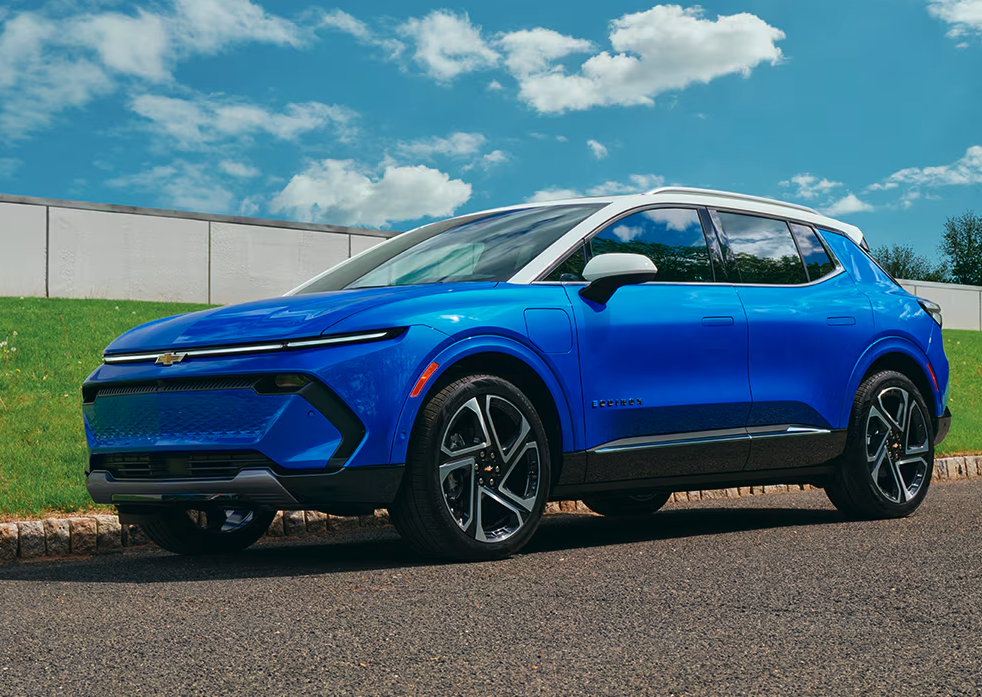
The 2026 Chevrolet Equinox EV is built for Bartlett drivers who want an electric SUV that feels practical, not experimental. With 319 miles of EPA-estimated range on FWD, a clear charging strategy supported by 150 kW DC fast capability, and a trim ladder that starts at $34,995, it fits the needs of commuters and families who value predictable ownership. Chevrolet’s public charging ecosystem and the myChevrolet app support route planning and broader charger access, which makes longer drives easier to manage. If you’re ready to choose LT 1 vs LT 2 vs RS and decide on FWD vs AWD, visit Dobbs Brothers Chevrolet of Bartlett at 7850 HWY 64, Bartlett, TN 38133 and schedule your Equinox EV test drive.
