





If you are asking how often to service your Chevrolet in Bartlett, the practical answer is this: for many Chevy vehicles, a routine service rhythm often starts around every 7,500 miles or about every 12 months, but the exact schedule depends on your model, your owner’s manual, and how you actually drive. Oil service, tire rotation, brake inspections, filter checks, fluid checks, and multi-point inspections are the core items most owners should stay on top of. Chevrolet also gives many owners GM Maintenance Minder, which helps estimate oil-life timing, but it does not replace the rest of your maintenance plan or the vehicle-specific guidance in the owner’s manual. That matters here because Bartlett-area driving can include short trips, stop-and-go traffic, highway commuting into Memphis, summer heat, and storm-season wear that may make some service items more important sooner than drivers expect.
At Dobbs Brothers Chevrolet, we see a lot of owners who are not trying to ignore maintenance. They just are not sure what actually matters most. A Bartlett commuter doing repeated short trips does not always stress a vehicle the same way as a Germantown driver doing long highway miles. A Collierville truck owner towing occasionally does not have the same brake, tire, or fluid priorities as a low-mileage Lakeland driver who assumes low miles automatically means low maintenance. For many owners, the best maintenance schedule is not the most aggressive one and not the loosest one. It is the schedule that matches how the vehicle is used, while staying anchored to Chevrolet guidance and regular inspection habits.
In this guide, we break down common Chevrolet service intervals, explain how GM Maintenance Minder fits in, connect the schedule to local West Tennessee driving patterns, and show you how our service team helps Bartlett-area drivers stay ahead of larger repair bills.
Definition: A Chevrolet maintenance schedule is the factory-recommended pattern of inspections and services used to help keep a Chevy safe, efficient, and reliable over time. It usually includes oil service, tire rotation, inspections, filters, fluids, and model-specific items based on mileage, time, and driving conditions.
Table of Contents
Recommended Service Intervals for Your Chevrolet
Key Takeaway: The smartest Chevrolet maintenance schedule starts with factory guidance, but it works best when you match it to how you really drive in Bartlett and the surrounding areas.
What the Typical Chevrolet Service Rhythm Looks Like
For many Chevrolet owners, a good routine starting point is a service visit around every 7,500 miles or 12 months, especially for oil service, tire rotation, and basic inspections. That broad rhythm shows up across many Chevrolet dealer maintenance references, but Chevrolet’s own support materials make something just as important clear: your exact vehicle schedule should always be verified through your owner’s manual and your model-year guidance. That means the general cadence is useful, but it is not the whole story.
This is where a lot of maintenance confusion starts. Drivers want one neat number that works for every model and every use case. But a Chevrolet Equinox, Silverado 1500, Tahoe, or Traverse may not be driven the same way, even if they all live in Bartlett. A Lakeland owner who drives very low miles can still need time-based service because oil age, fluid condition, battery health, and inspection intervals do not disappear just because the odometer climbs slowly. A Bartlett commuter who does constant short trips can build wear differently than someone doing long highway miles into Memphis. That is why we recommend treating the schedule as a pattern to follow with model-specific checks, not as a single universal rule.
A simple way to think about the normal rhythm is this:
- Regular oil service based on oil life or scheduled interval
- Tire rotation at routine service points
- Brake, battery, belt, hose, and fluid inspections on a regular basis
- Air filter and cabin filter checks as part of ongoing upkeep
- More attention to tires, brakes, and fluid condition when usage becomes heavier
| Service Item | Typical Starting Rhythm | Why It Matters | Best For |
|---|---|---|---|
| Oil service | Around 7,500 miles / 12 months as a broad guide | Helps protect engine longevity | Most owners |
| Tire rotation | Usually paired with routine service | Promotes more even tire wear | Commuters and families |
| Brake inspection | Regular inspection basis | Catches wear before stopping performance drops | Stop-and-go drivers |
| Fluid checks | Routine visit item | Helps spot issues before repairs grow | All drivers |
| Cabin / engine filters | Periodic inspection and replacement | Supports airflow and system efficiency | Daily-use vehicles |
| Multi-point inspection | At regular service visits | Helps catch small issues early | All drivers |
Based on general Chevrolet/dealer maintenance guidance and Chevrolet owner resources.
What most owners do not realize is that “normal maintenance” is not just about mileage. Time matters, driving pattern matters, and inspection habits matter. Based on what we see at our dealership, owners who keep a consistent rhythm and respond to small service needs early usually avoid the larger repair conversations that come from waiting too long.
Oil Changes, Tire Rotations, Inspections, and Filters Explained
The maintenance items owners hear most often are the ones that deserve the most plain-language explanation.
Oil service matters because it protects the engine over time and is one of the easiest maintenance items to delay when life gets busy. Tire rotations matter because uneven wear builds faster than many drivers expect, especially with regular commuting, short-trip driving, and family hauling. Brake inspections matter because the earlier we catch pad wear or uneven wear patterns, the easier the next step usually is. Filter checks matter because cabin comfort, airflow, and engine breathing all depend on items that wear out gradually and often go unnoticed until performance drops. Chevrolet service information and dealer maintenance references consistently center these items because they form the foundation of basic long-term vehicle care.
For a Bartlett commuter, oil and tires tend to move to the front of the conversation. For a Germantown family SUV owner doing school runs plus weekend highway trips, tire rotations and brake checks stay important because the vehicle sees a wide mix of load and trip length. For a Collierville truck owner towing occasionally, brakes, tires, and fluid condition deserve even more attention because towing changes how quickly some wear items matter.
We usually tell owners to think of maintenance in three buckets:
- Protect the engine: oil service, fluid condition, inspection timing
- Protect the contact points: tires, alignment awareness, brake wear
- Protect daily comfort and reliability: battery, filters, wipers, seasonal checks
That is also why a multi-point inspection matters more than it sounds. It is not filler. It is the part of the visit that helps catch a tire issue, brake wear pattern, weak battery, leaking fluid, or filter condition before it turns into a bigger repair.
How GM Maintenance Minder Fits Into Your Service Timing
GM Maintenance Minder is useful, but it is not magic. Chevrolet and dealer maintenance guidance treat it as one part of the ownership picture, not the only part. In practical terms, it helps estimate engine oil life based on how the vehicle is driven. That makes it more helpful than a fixed sticker in many situations because it reflects actual use more than a one-size-fits-all estimate. But it still does not replace the owner’s manual, common-sense inspection timing, or service items that are not strictly tied to oil life.
For a Memphis-area commuter stuck in traffic, the system may bring oil service into focus differently than it would for a long-distance highway driver. For a Lakeland owner with lower mileage, it can help prevent the “I barely drove it, so I probably do not need service” mindset from stretching too far. For an Arlington family making many short stops each week, it is helpful, but it still does not answer every maintenance question by itself.
That is why our service team advises owners to use GM Maintenance Minder as a decision tool, not as a replacement for inspections, manual guidance, or regular service discipline.
Tennessee Driving Conditions That Affect Maintenance
Key Takeaway: Bartlett and Memphis-area driving can shift maintenance needs faster than owners expect because short trips, stop-and-go traffic, heat, and seasonal weather all change wear patterns.
How Local Driving Patterns Change Maintenance Needs
Not every mile is equal. That is one of the most important service truths for local Chevrolet owners. Short trips, repeated starts and stops, hot-weather driving, heavy traffic, and occasional towing all affect the way a vehicle ages. Bartlett and greater Memphis drivers often deal with exactly that mix. Even when annual mileage does not look high, the driving pattern can still be harder on oil life, brake wear, tires, and battery condition than a simpler highway routine would be.
For a Bartlett commuter doing repeated in-town drives, the maintenance conversation usually needs more attention on tires, brakes, and oil rhythm. For a Germantown family making school runs during the week and highway drives on weekends, the service needs are broader because the vehicle sees both stop-and-go use and longer travel. For a Memphis-area driver who sits in traffic often, brake wear and tire wear become more important to watch because the vehicle is constantly cycling through low-speed driving and frequent stops.
| Local Driving Pattern | What It Stresses | What to Watch Closely | Best For |
|---|---|---|---|
| Frequent short trips | Oil condition, battery, brake use | Oil timing, battery checks, brake inspection | Bartlett in-town drivers |
| Stop-and-go Memphis traffic | Brakes, tires, heat load | Brake wear, tire rotation rhythm | Daily commuters |
| Summer heat and storm-season use | Battery, fluids, tire condition | Battery health, fluids, tire inspection | West Tennessee owners |
| Highway family travel | Tires, fluids, long-run reliability | Tire condition, filter checks, inspection timing | Germantown / Collierville families |
| Occasional towing | Brakes, tires, fluids | Brake checks, tire condition, fluid inspection | Truck and SUV towing users |
| Low-mileage ownership | Time-based wear | Calendar-based service attention | Lakeland low-mileage drivers |
Based on general Chevrolet service resources and local-use interpretation.
The key difference between these conditions is not whether the vehicle can handle them. It can. The difference is how quickly they make routine maintenance matter. We recommend being more disciplined, not more anxious, when your driving pattern is built around short trips, traffic, towing, or weather swings.
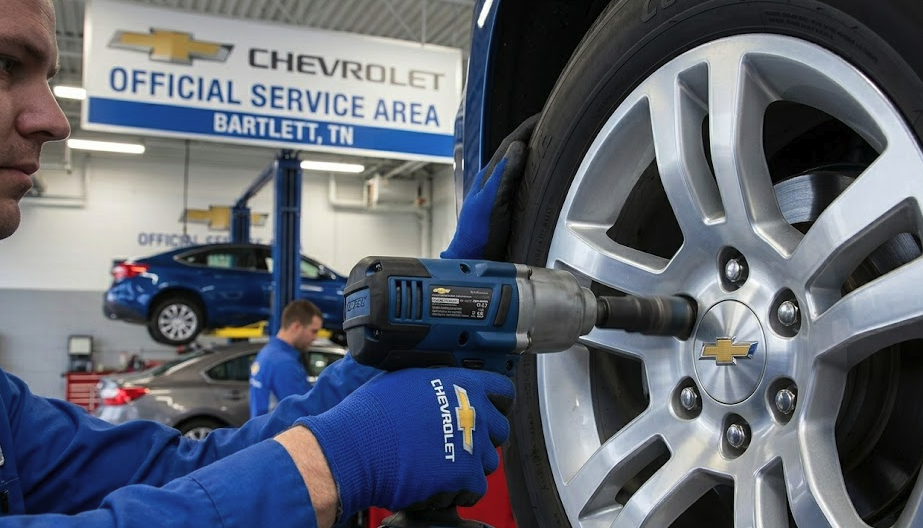
Which Maintenance Items Matter Most for Commuters, Families, and Towing Users
Once we translate local conditions into ownership types, the schedule gets clearer.
If you are a Bartlett commuter, we recommend prioritizing oil rhythm, tire rotation, brake inspections, and battery awareness because short trips and stop-and-go use build wear in ways many drivers underestimate.
If you are a Germantown or Collierville family driver, we recommend staying disciplined on tires, brakes, filters, and multi-point inspections because family loading, mixed trip lengths, and regular weekend travel create a wider wear pattern.
If you tow occasionally with a truck or SUV, we recommend extra attention to brakes, tires, and fluid condition because towing adds stress even when it is not constant.
If you are a Lakeland low-mileage owner, we recommend not letting the calendar disappear just because the mileage stays low.
If you drive heavily in Memphis traffic, we recommend staying ahead on brake and tire checks because those are the systems most likely to show the wear first.
For many owners, the smartest service rhythm is not a single mileage number. It is a pattern of regular visits that keeps oil, tires, brakes, fluids, and filters from drifting too far out of attention.
When drivers come to us asking whether they are “late” on service, we usually start with use pattern, not fear. We look at mileage, time, trip length, traffic exposure, and what the vehicle has been doing lately. That helps us give more practical guidance instead of just repeating a broad interval. We can also check the items that matter most right now, which often turns the conversation from vague worry into a clear next step. If you want our service team to help you sort that out, call us at 901-451-6720 or use our scheduling tools online.
Book Your Chevy Service at Dobbs Brothers Chevrolet
Key Takeaway: Staying ahead on routine Chevrolet maintenance usually costs less, disrupts less, and protects more than waiting until wear turns into a bigger repair.
How We Help Bartlett-Area Drivers Stay Ahead of Wear
Our service process is built around helping local Chevrolet owners stay ahead of problems instead of reacting after something has already gotten expensive. That starts with routine oil service, tire rotation, brake and fluid checks, battery awareness, and multi-point inspections. But the real value is in matching the service plan to the way you drive. A Bartlett commuter, a Germantown family SUV owner, a Lakeland low-mileage driver, and a Collierville truck owner towing occasionally should not all get the exact same conversation.
For Bartlett and Memphis-area drivers, staying ahead matters because local use patterns can create wear slowly and quietly. A battery can weaken before it fully fails. Tires can wear unevenly before the owner realizes rotation timing slipped. Brake wear can become more expensive when it is pushed too far. Fluids and filters can go from routine to neglected without a dramatic warning light. That is why we recommend using regular service visits as checkpoints, not just oil-change stops.
| Owner Profile | Main Risk | Service Priority | Why It Helps |
|---|---|---|---|
| Bartlett commuter | Short-trip wear and brake use | Oil, tires, brakes | Keeps daily-use wear in check |
| Germantown family driver | Mixed local and highway use | Tires, filters, inspections | Supports family-trip reliability |
| Collierville truck owner | Occasional towing stress | Brakes, tires, fluids | Protects towing confidence |
| Lakeland low-mileage owner | Waiting too long on time-based service | Calendar-based visits | Prevents hidden neglect |
| Memphis traffic driver | Constant stopping and heat exposure | Brakes, tires, battery | Reduces stress-related wear |
Based on what we see here, drivers who stay on a consistent service rhythm usually keep ownership simpler and more predictable. That is the goal. Not over-servicing the vehicle, and not letting little things age into bigger bills.
We are here to help Chevrolet drivers from Bartlett, Memphis, Germantown, Collierville, Arlington, and Lakeland stay current without guessing. Our service center can help you schedule routine maintenance, check what is due, and talk through what matters most for your vehicle and your driving pattern. If you use GM Rewards, eligible paid certified service can also connect back into the ownership value conversation. You can visit us at 7850 HWY 64 in Bartlett, schedule online, or call 901-451-6720 and we will help you line up the right next step for your Chevy.
What GM Maintenance Minder Does and Does Not Tell You
Key Takeaway: GM Maintenance Minder is helpful for oil-life timing, but it does not replace the owner’s manual, inspections, or attention to how your Chevy is actually being used.
This is one of the biggest misunderstandings we see. Owners treat the Maintenance Minder like a complete maintenance plan when it is really a very useful signal inside a bigger plan. Chevrolet’s owner resources and dealer guidance make it clear that model-specific manual guidance still matters. The system may help estimate oil service timing based on driving behavior, but it does not erase the need for routine inspections, tire care, brake attention, filter checks, or time-based awareness.
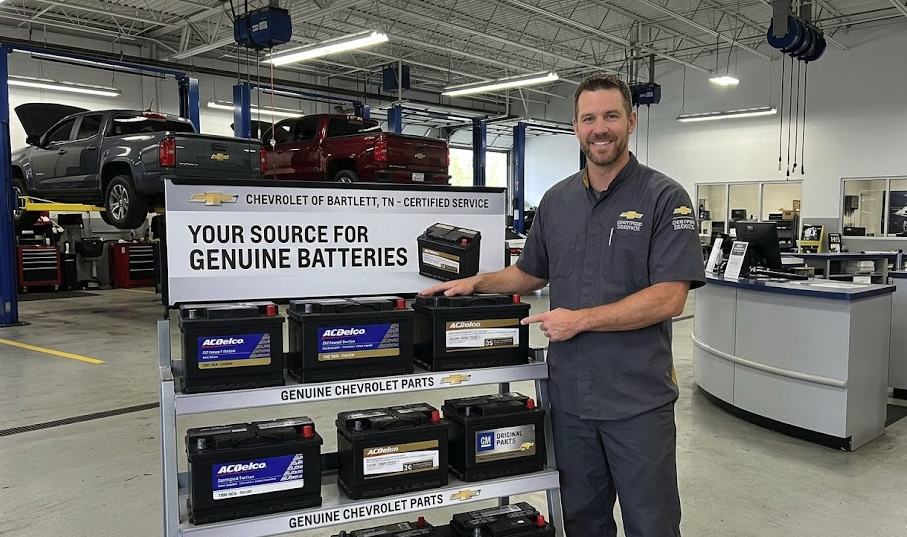
For a Memphis-area commuter in traffic, the system can be more helpful than a fixed sticker because the use pattern is not simple. For a Lakeland low-mileage owner, it can also help prevent the mistake of ignoring time-based service. But if a driver assumes “no warning means nothing matters,” that is where problems start. We recommend using the system as a guide and our service team as the place to verify what actually needs attention now.
Choosing a Service Rhythm That Matches How You Actually Drive
Key Takeaway: The right Chevrolet maintenance rhythm is the one that fits your driving pattern closely enough to prevent neglect without turning routine service into guesswork.
This is where a lot of owners either underdo maintenance or overdo it. The goal is not to service blindly. The goal is to build a rhythm that matches reality.
- Choose a more consistent rhythm if you do short trips, stop-and-go driving, or mixed family use
- Pay closer attention to brakes and tires if commuting or family hauling defines your week
- Keep time-based service in mind even when miles stay low
- Add more inspection discipline when towing or heavier use enters the picture
For an Arlington family doing lots of short trips, time and inspection timing matter more than the odometer alone suggests. For a Germantown commuter, a steady routine with oil, tires, and inspections usually keeps ownership simple. For a Collierville truck owner towing periodically, being “a little early” on brake and tire awareness is usually better than being late.
Key Takeaways
- Many Chevrolet owners should think in terms of a broad 7,500-mile or 12-month rhythm, then verify by model and use case.
- GM Maintenance Minder is useful, but it does not replace the owner’s manual.
- Bartlett and Memphis-area short trips and traffic can make maintenance matter sooner.
- Oil, tires, brakes, filters, fluids, and inspections are the core maintenance priorities.
- Low mileage does not eliminate time-based service needs.
- Routine service usually prevents bigger repair conversations later.
Chevrolet Maintenance Schedule FAQs for Bartlett TN Drivers
How often should I service my Chevrolet?
For many Chevrolet drivers, a broad starting point is around every 7,500 miles or 12 months for routine service, but the exact schedule depends on your model, owner’s manual, and how the vehicle is used. We recommend checking your manual and using GM Maintenance Minder as part of the decision, not the only factor. Short trips, traffic, towing, and local conditions can change what “normal” really looks like.
Does GM Maintenance Minder replace the owner’s manual?
No. It is helpful, but it does not replace the owner’s manual. It can help estimate oil service timing based on real driving behavior, but vehicle-specific service guidance, inspections, and other maintenance items still matter. That is why we recommend using it as a tool, not as a full maintenance plan by itself.
Do short trips and Memphis traffic count as severe driving?
They can absolutely increase maintenance importance. Short trips, stop-and-go traffic, repeated braking, and heat all change how some wear items age. That does not mean you need to panic or service the vehicle randomly. It means those driving patterns make inspections, tire care, brake awareness, and oil timing more important than they might be for a simple highway routine.
What maintenance should I never put off?
Oil service, tire care, brake inspections, and warning-light-related issues should never drift too far. Those are the areas where small delays can grow into larger costs or bigger safety concerns. We also do not recommend ignoring battery signs, fluid concerns, or visible tire wear just because the vehicle still “feels fine.”
We know Chevrolet maintenance can feel vague when you are trying to balance mileage, time, warning systems, and real life. That is why we focus on practical guidance that fits how you actually drive. At Dobbs Brothers Chevrolet, 7850 HWY 64, Bartlett, TN 38133, we help drivers from Bartlett, Memphis, Germantown, Collierville, Arlington, and Lakeland stay ahead on oil service, tire care, inspections, and the routine maintenance that protects long-term ownership. We can help you schedule the right visit, check what matters most now, and keep your Chevy on a more predictable rhythm. Call us at 901-451-6720 or use our online service tools and let us help you keep your vehicle in shape without guesswork.
Connect with us
