





Blog

2026 Chevrolet Equinox Features and Technology Near Bartlett, TN

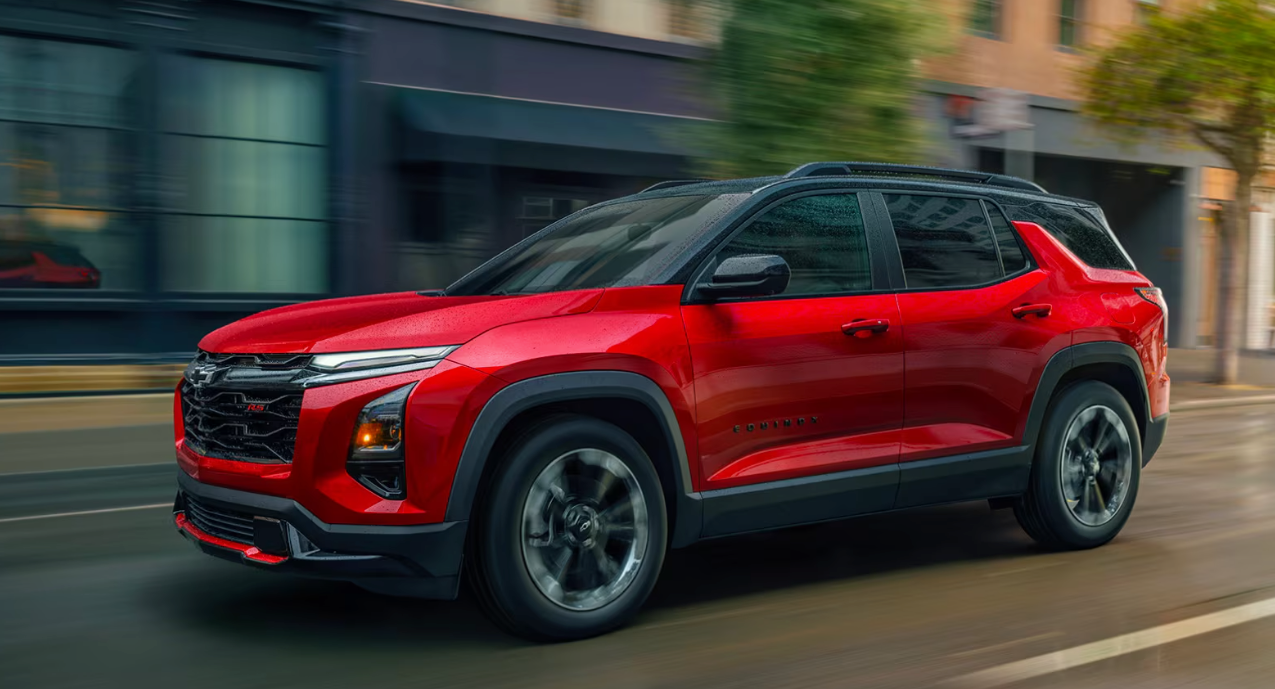
2026 chevrolet equinox exterior

Bartlett drivers looking for a compact SUV that balances daily comfort, modern screens, and practical capability will want the 2026 Chevrolet Equinox on their short list. The 2026 Equinox includes an efficient 1.5L Turbo engine with 175 hp, available all-wheel drive, up to 1,500 lbs of towing, and an 11.3-inch diagonal infotainment touchscreen paired with an 11-inch Driver Information Center. Within the first few minutes behind the wheel, most shoppers notice two things: the screen layout feels current, and the driver-assist technology is designed to reduce stress in stop-and-go traffic around Germantown Parkway and I-40. Chevrolet also equips Equinox with Chevy Safety Assist, including Automatic Emergency Braking, Lane Keep Assist with Lane Departure Warning, and IntelliBeam.
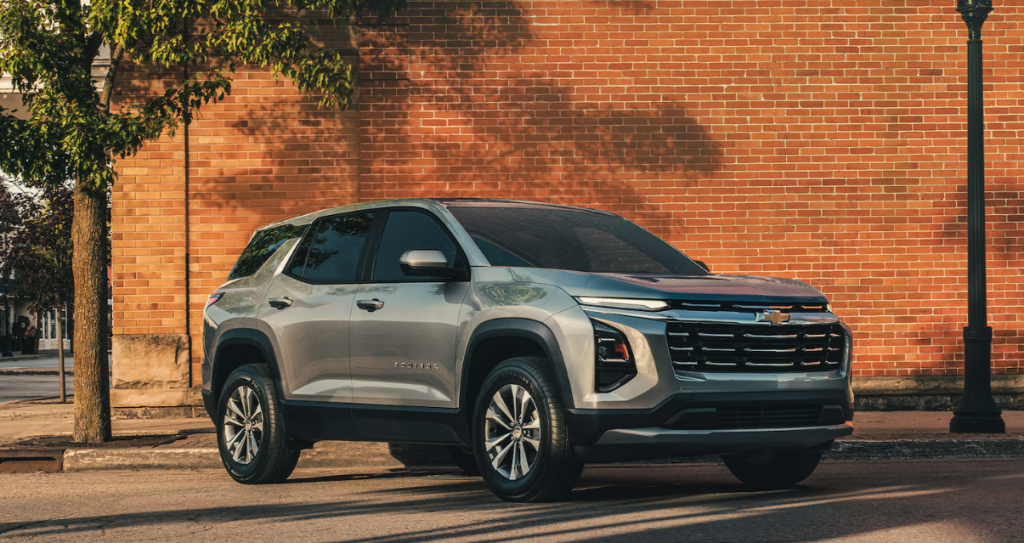
For Bartlett families, commuters into Memphis, and cross-shoppers comparing the Equinox to other small SUVs, the differentiator is not a single feature. It is the way the Equinox systems work together, powertrain calibration, cabin packaging, and safety sensor logic. This guide focuses on verified, manufacturer-published features and broadly applicable engineering explanations so shoppers can move from “interested” to “ready to test drive.”

If you want the most current trim walk, pricing context, and availability in our Bartlett market, visit Dobbs Brothers Chevrolet of Bartlett at 7850 HWY 64, Bartlett, TN 38133 and review current Equinox listings on our website. Our team can confirm which configurations are on the ground, which options are in transit, and which features are standard versus package-based. You can also request a trade appraisal and estimate monthly payments from the same place to keep decisions efficient. That planning step reduces surprises at delivery and keeps the process aligned to your budget. Start on the Dobbs Brothers Chevrolet of Bartlett website to match the Equinox trim to your real-world needs before you arrive.

What’s New in the 2026 Chevrolet Equinox

Key Takeaway: The 2026 Equinox advances everyday usability through a larger dual-screen layout, distinct trim identities LT, ACTIV, RS, and updated cabin materials designed around practical storage and driver visibility.

Chevrolet positions the 2026 Equinox as a compact SUV that is easy to live with every day, then layers in trim-specific styling and functional differences. The model range centers on three trims: LT, ACTIV, and RS. ACTIV is engineered and styled for a more rugged look, including a uniquely tuned suspension and available all-terrain tires, which can be meaningful for drivers who regularly deal with uneven pavement, wet leaves, and variable road surfaces after storms in Shelby County. RS emphasizes sport styling, including RS-specific fascia elements and interior cues.

Chevrolet explicitly calls out the larger display strategy, cargo capacity (up to 63.5 cu. ft. max cargo volume), and the 1.5L Turbo with 175 hp, plus available AWD and up to 1,500 lbs towing. The result is a vehicle that meets compact SUV expectations while differentiating through technology packaging and trim identity.

Redesigned interior layout and screen strategy

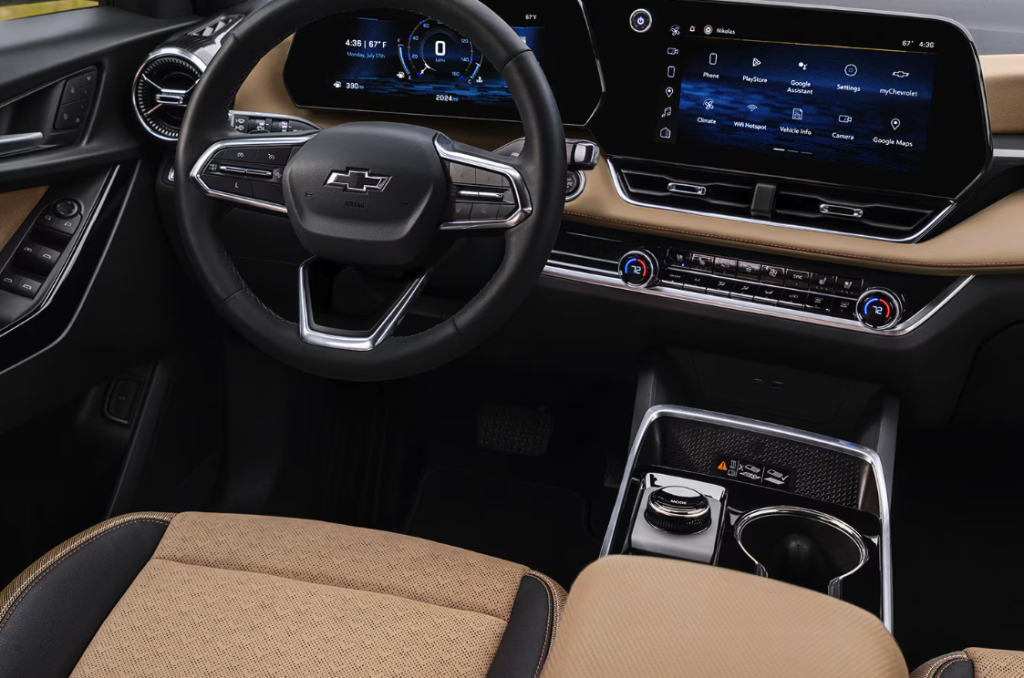
The 2026 Equinox cabin is built around two primary displays: an 11.3-inch diagonal infotainment touchscreen and an 11-inch diagonal Driver Information Center. From an engineering and usability standpoint, the value of this layout is not only size. It is separation of tasks. The driver information display reduces the need to overlay speed, safety alerts, and trip data on the center screen. That division helps reduce cognitive load, particularly in congested conditions on Stage Road, Summer Avenue corridors, and freeway merges where glance time matters.
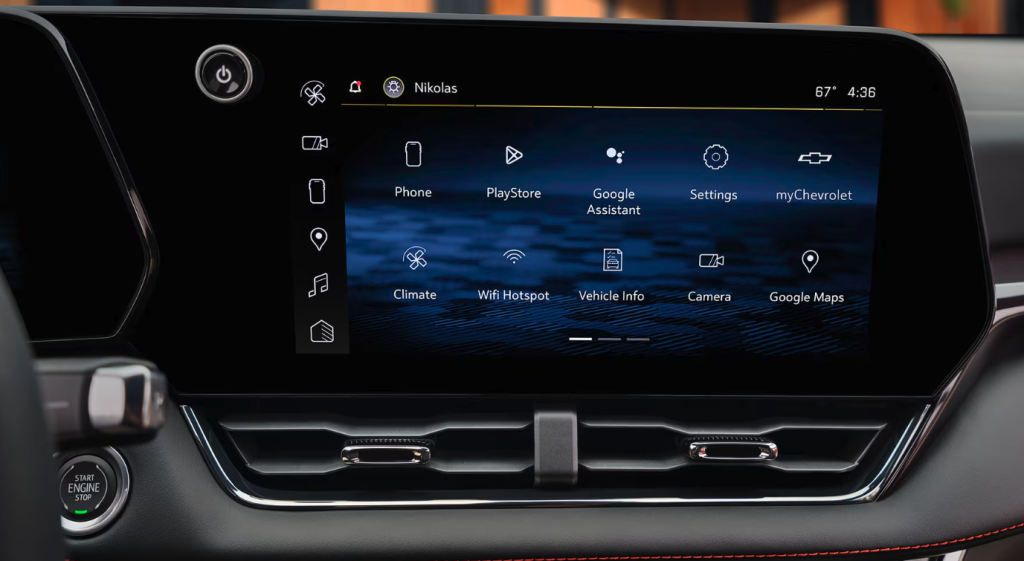
Chevrolet also positions Google built-in availability as part of the interface ecosystem, which matters because voice-driven commands reduce manual interaction for navigation and media selection. In practical terms, the best “tech” system is one that allows the driver to keep hands on the wheel and eyes forward. Larger UI elements can help, but the bigger effect comes from consistent menu logic, readable map scaling, and low-latency touch response. While performance can vary by connectivity and app state, the platform direction is clear: the Equinox is configured for modern smartphone-adjacent usage patterns with fewer adapter steps.

For families, this screen strategy also supports multi-driver use. When more than one driver uses the Equinox across a week, minimizing time spent reconfiguring settings is a hidden value factor. The more intuitive the interface, the less time is spent correcting audio source selection, phone pairing confusion, and navigation preferences. In a compact SUV segment that often competes on price and basics, interface friction becomes an ownership cost. The Equinox approach is structured to reduce that friction.

Cabin materials, seating surfaces, and trim personality LT vs ACTIV vs RS

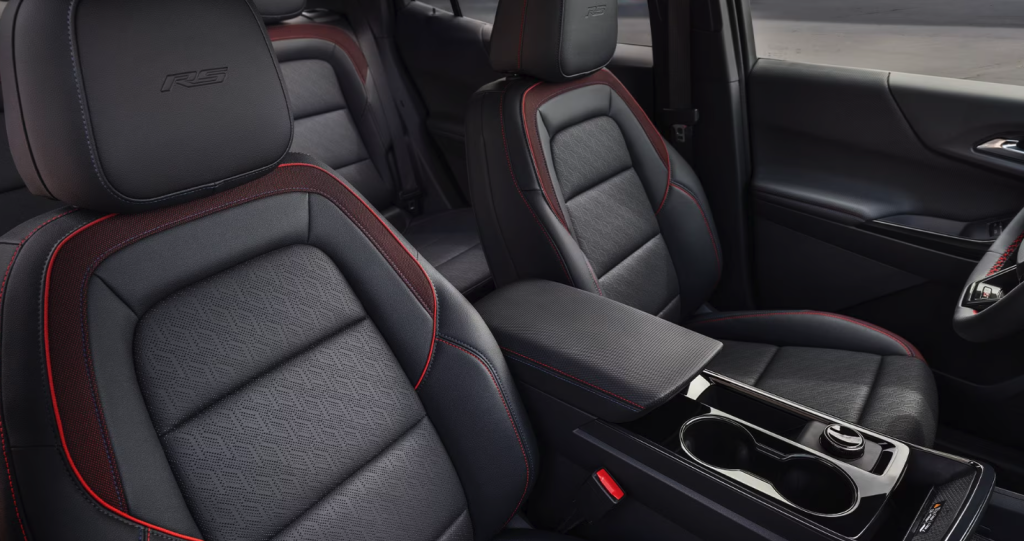
Chevrolet differentiates trims with both styling and materials. RS is associated with Evotex seating surfaces, while ACTIV includes Evotex and sueded microfiber seating surfaces with ACTIV stitched into head restraints. This matters because material choice affects long-term wear, cleanability, and temperature feel. For Bartlett buyers balancing school drop-offs and commutes, cleanability and resistance to scuffs can be more important than luxury cues. The ACTIV configuration targets a customer profile that wants a more outdoor-ready aesthetic while still operating as a daily family vehicle.

Trim personality is not only cosmetic. It can affect perceived cabin quietness, seat comfort, and even fatigue. Seat surface friction changes how drivers brace during cornering and braking. A surface with more grip can reduce micro-adjustments during turns, which contributes to comfort over time. These are small differences that shoppers feel on a test drive even if they cannot label them. A good evaluation method is to drive the same loop in two trims, including both low-speed turns and a short highway segment, then compare comfort and interface ease.

RS also emphasizes unique grille and fascia elements and interior stitching cues. The functional value here is resale preference and personal fit. In high-volume SUV categories, many buyers select the version that looks “right” to them, then validate the decision with features. That is normal buyer behavior. The key is to ensure the trim you like also matches the drivetrain and traction needs of your route patterns, especially if you frequently drive in heavy rain or deal with standing water on poorly drained areas after storms.
Cargo packaging, storage logic, and day-to-day flexibility

Chevrolet lists up to 63.5 cu. ft. of maximum cargo volume and highlights flexible folding seats, plus hidden storage under the rear cargo floor. Packaging decisions like these are engineering choices that influence usefulness more than most shoppers realize. The way cargo volume is shaped matters as much as the number. A flatter load floor supports strollers, sports equipment, and bulk grocery trips from the Wolfchase area without constantly re-stacking items.

The available hands-free AutoSense Power Liftgate is another example of “daily friction” reduction, especially for parents managing multiple bags. The operational value is time and effort saved, plus fewer awkward movements that risk bumping the bumper or straining. Shoppers should validate liftgate behavior in person because timing, sensor sensitivity, and user comfort can vary. A quick on-lot demonstration typically answers whether the feature will be used or ignored.

Storage logic in the front row also matters. Chevrolet references a pass-through center console design in competitive comparisons, indicating a focus on usable cabin storage. For commuters, this can translate to easier placement of handbags, small coolers, and work gear. For families, it can reduce clutter accumulation and keep essentials within reach without interfering with cupholders or shifter access. The end result is an SUV that “feels” larger than it is, not through dimensions alone, but through storage execution.

Equinox Safety and Driver Assist Technology

Key Takeaway: The 2026 Equinox safety stack combines Chevy Safety Assist as a standard foundation and adds available camera-based systems that improve awareness in parking lots, school zones, and multi-lane traffic.

Chevrolet states that the 2026 Equinox includes over 15 standard safety and driver assistance features, anchored by Chevy Safety Assist. This package includes Automatic Emergency Braking, Front Pedestrian Braking, Lane Keep Assist with Lane Departure Warning, Forward Collision Alert, Following Distance Indicator, and IntelliBeam. These systems are best understood as a layered approach: forward sensing to detect vehicles and pedestrians, lane sensing for road-edge and line tracking, and lighting automation to improve nighttime visibility.

For Bartlett drivers, the highest-value safety benefits typically show up in three contexts: stop-and-go traffic, night driving, and parking-lot complexity. Each context stresses different sensors and decision logic. That is why a test drive should include a few minutes in real traffic and a parking lot demonstration. No driver assist system replaces attentive driving, but the right system can reduce fatigue and smooth common errors.
Chevy Safety Assist sensor logic and real-world use cases

Chevy Safety Assist is designed to reduce collision risk through detection, warning, and limited intervention. Automatic Emergency Braking and Front Pedestrian Braking imply forward-object detection and classification, generally relying on camera inputs and, in many implementations across the industry, complementary sensing to validate targets. Chevrolet lists these features as part of the suite, which is important because it signals standardization across trims rather than restricting core safety to premium configurations.

In real-world driving, Forward Collision Alert provides early notification, while Following Distance Indicator supports safer spacing habits during congestion. This is relevant for I-40 traffic patterns where spacing collapses quickly. The objective is not to “drive for you.” It is to assist decision timing when attention is split between mirrors, signage, and vehicles cutting in. Lane Keep Assist with Lane Departure Warning adds another protective layer, especially on long straight segments where fatigue can increase.

IntelliBeam automates high-beam behavior based on detected traffic, which can improve visibility on darker roads without increasing glare risk for other drivers. The system value is highest when it is consistent and conservative, switching appropriately without frequent driver overrides. Shoppers should validate this behavior during an evening test drive if possible, because comfort with lighting automation is subjective. Overall, the suite is positioned as a practical, standard baseline that supports daily driving rather than a niche feature set.

Available visibility systems that reduce parking and lane-change risk

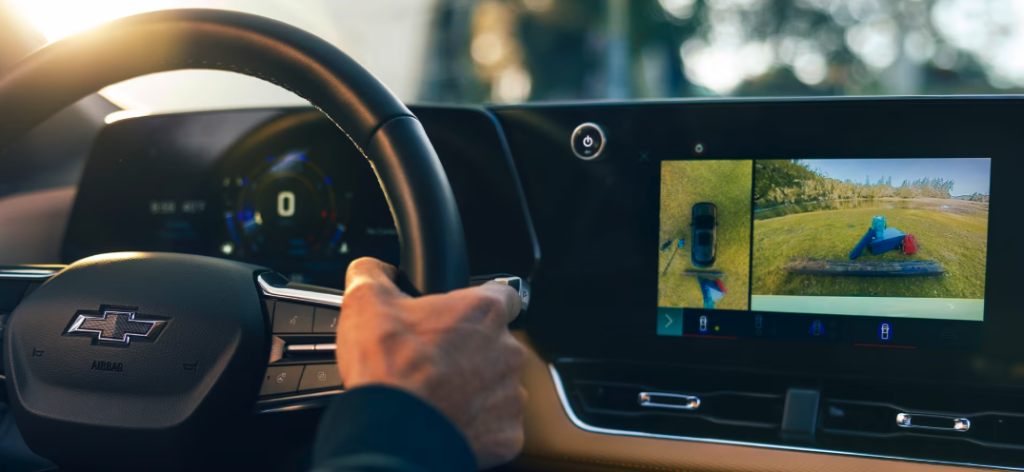
Chevrolet highlights available safety and visibility systems such as HD Surround Vision, Rear Camera Mirror, Side Bicyclist Alert, and Rear Cross Traffic Braking. These features are important because many real-world incidents occur at low speeds in parking lots or during backing maneuvers, not on open highways. A surround-view system helps drivers interpret tight spaces and avoid curb strikes. Rear Cross Traffic Braking supports backing out of spaces where sightlines are blocked by larger vehicles.

Side Bicyclist Alert addresses an increasingly common risk profile, particularly near mixed-use roads where bicycles share lanes. For parents and commuters, the practical question is not “Does it exist?” It is “Is it configured on the trims we can actually buy locally?” That is where dealership confirmation matters. A shopper should bring a short checklist to the test drive: confirm the camera views are clear, verify alert timing feels reasonable, and check whether the mirror camera view is comfortable for depth perception.
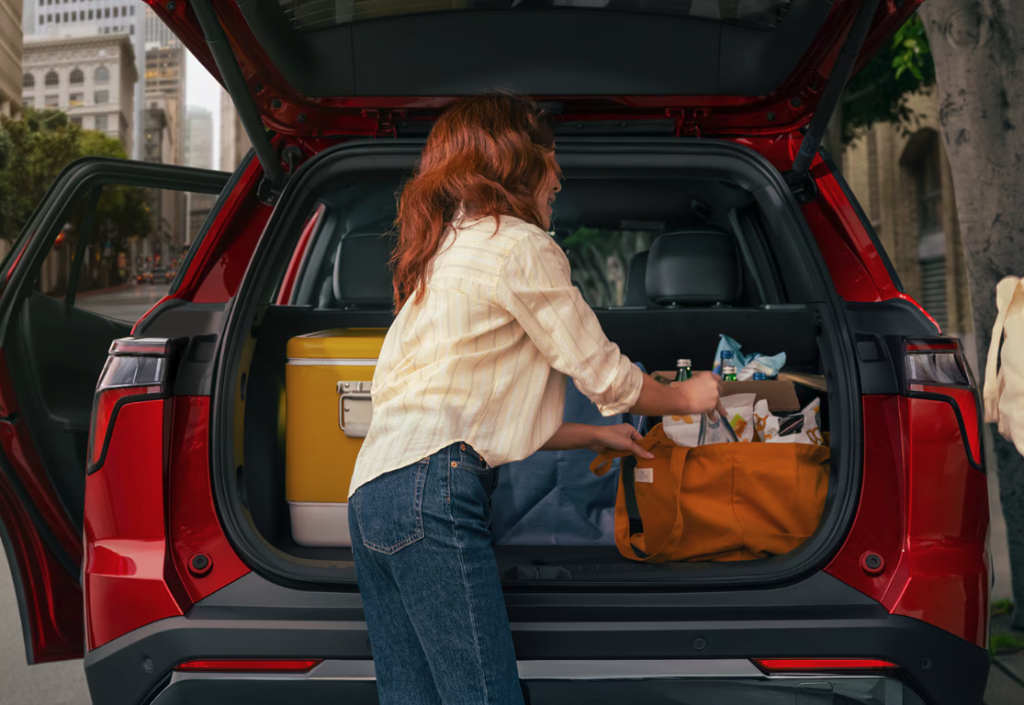
These systems also interact with driver confidence. Many shoppers feel safer when they can see more, even if they rarely trigger alerts. That comfort can influence purchase decisions. It can also reduce daily stress, which becomes a real ownership benefit over a multi-year timeline.

2026 Chevrolet Equinox Trim Comparison Table

Trim LevelPerformance & HandlingInterior & StylingBest For...
LT175-HP 1.5L Turbo; FWD or AWD11.3-inch Touchscreen; Clean Cloth/EvotexThe Balanced Daily Driver
ACTIVRugged Suspension; All-Terrain TiresEvotex & Sueded Microfiber; Stitched LogosThe Outdoor Adventurer
RSSport-Tuned Styling; 1.5L TurboRS-Specific Fascia; Sporty Interior AccentsThe Style-Minded Commuter

Test Drive the 2026 Equinox at Dobbs Brothers Chevrolet

Key Takeaway: A structured test drive, paired with dealership trim validation and service insight, is the fastest way for Bartlett buyers to confirm the right Equinox configuration for commuting, family duty, and seasonal road conditions.

Chevrolet confirms the performance baseline as an efficient 1.5L Turbo with 175 hp, available AWD, and up to 1,500 lbs towing. KBB also lists the 2026 Equinox trims as LT, ACTIV, and RS, with the same 1.5L turbo four-cylinder and 175 hp across trims. That consistency simplifies decision-making. It allows the buyer to focus on traction needs, cabin preferences, and driver-assist priorities rather than worrying that one trim is “underpowered.”

At Dobbs Brothers Chevrolet of Bartlett, a good test drive is not a casual loop. It is a validation process. The best approach is to drive one trim that matches your budget and one trim that matches your feature wish list, then compare. Include a few minutes of low-speed maneuvering, a short highway segment, and a parking exercise to evaluate camera and alert usability.

Equinox trim level highlights for Bartlett lifestyles

Start by mapping trim to lifestyle. LT often fits shoppers seeking a balanced feature set without extra appearance emphasis. ACTIV targets buyers who like the off-road-inspired look, uniquely tuned suspension, and available all-terrain tires. RS targets those who prefer sport styling cues and RS-specific design elements.
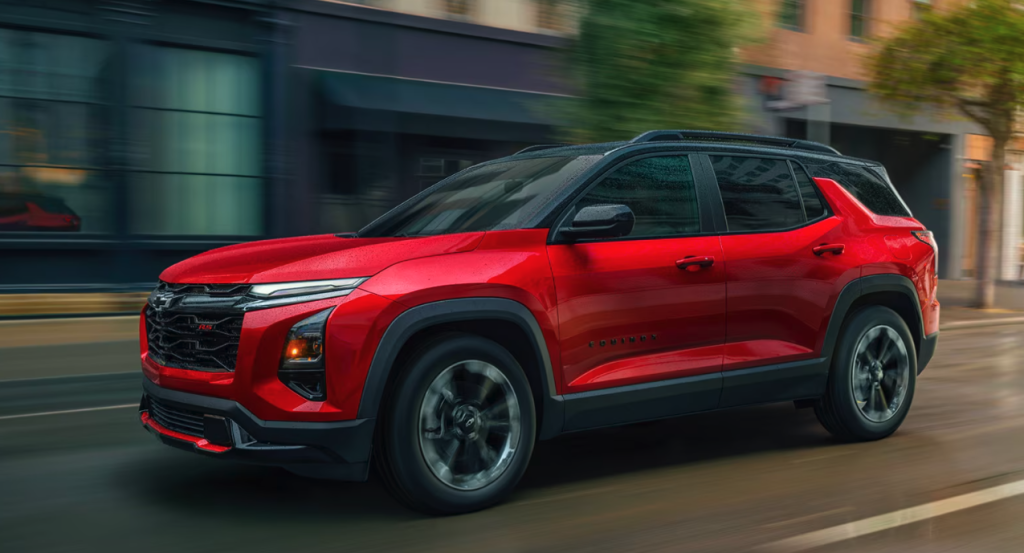
For commuting into Memphis, AWD availability can be a deciding factor if you drive early mornings in heavy rain, deal with standing water, or prefer added traction confidence. For families, the key evaluation points usually include seat comfort, cargo loading ease, and the clarity of camera views. Chevrolet’s cargo flexibility and max cargo volume are directly relevant here.

For road trips, towing may matter if you carry a small utility trailer or lightweight recreational gear. Chevrolet rates Equinox at up to 1,500 lbs of towing. In practice, towing satisfaction depends on hitch configuration, load distribution, and driving style. A dealership walk-through can clarify what is needed for safe towing setup and whether the available configuration supports your intended use.

Bartlett Commuter & Family Features

Advanced Display Strategy

  • Dual-Screen Layout: Every 2026 Equinox features an 11.3-inch infotainment touchscreen paired with an 11-inch Driver Information Center.
  • Task Separation: By moving trip data and safety alerts to the driver's screen, the center display remains clear for navigation and media, reducing "glance time" on busy roads like Germantown Parkway.
  • Google Built-In: Access Google Maps and Assistant directly via the interface to keep your hands on the wheel during the I-40 merge.

Practical Capability for Shelby County

  • Towing: Rated for up to 1,500 lbs, perfect for small utility trailers or lightweight recreational gear.
  • Cargo Space: Offers up to 63.5 cu. ft. of max cargo volume with folding seats and a hidden under-floor storage compartment.
  • AutoSense Power Liftgate: Available hands-free technology that opens as you approach ideal for grocery runs at Wolfchase.

Service authority, ownership planning, and what to verify before you buy

Ownership confidence is not only features. It is service support and maintenance planning. Our Certified Service Technicians at Dobbs Brothers can explain maintenance intervals, tire selection considerations, and how driver-assist sensors should be kept clean and unobstructed for consistent performance, especially after heavy pollen seasons and winter grime. That guidance is practical, not theoretical. It affects how your safety systems behave and how your vehicle ages.

Before purchase, verify three things: the exact trim and option content, the technology features you will actually use, and the driver-assist configuration. Chevrolet lists a wide set of safety and driver assistance features as standard and available, but availability can vary by configuration. A dealership review ensures the window sticker aligns with expectations.

You should also validate comfort under realistic conditions. Bring your normal items. Place a stroller in the cargo area. Check rear-seat legroom with a car seat installed. Pair your phone and test your typical navigation route. These steps reduce buyer remorse and improve satisfaction. In a market where compact SUVs are often purchased for multi-purpose duty, the winners are the vehicles that fit real life on day one.

If you want the clearest view of verified factory features, trim positioning, and published capability ratings, reference the official Chevrolet Equinox model page before you visit. Chevrolet lists key specs like the 1.5L Turbo engine, 175 hp, AWD availability, up to 1,500 lbs towing, and the 11.3-inch infotainment screen, which helps you build a clean checklist for your dealership appointment. Then use the Dobbs Brothers Chevrolet of Bartlett website to match those items to local inventory and schedule a test drive time that fits your week. You will reduce research time, focus your on-site visit, and get answers tied to real vehicles on the lot. This approach also helps you compare Equinox against other Chevrolet SUVs in a consistent way, which is the most efficient path to the right decision. Use both sites together so your shortlist is based on published facts and local availability.
FAQ: 2026 Chevrolet Equinox Features Near Bartlett, TN

Is the 2026 Chevrolet Equinox available in LT, ACTIV, and RS trims?

Yes. Kelley Blue Book lists the 2026 Equinox trims as LT, ACTIV, and RS. Your best next step is confirming which trims are currently available in Bartlett because inventory can shift weekly. If you have a specific must-have feature, validate whether it is standard or optional on the trim you prefer. A quick dealership confirmation prevents mismatched expectations and ensures your test drive aligns to your target configuration.

What are the key technology screen sizes in the 2026 Equinox?

Chevrolet states the 2026 Equinox includes an 11.3-inch diagonal infotainment touchscreen and an 11-inch diagonal Driver Information Center. This matters for readability and for separating driving information from infotainment functions. During a test drive, evaluate menu usability, map clarity, and how quickly you can complete common tasks like audio changes and navigation inputs. Comfort with the interface is a long-term satisfaction driver.

What safety suite comes standard on the 2026 Chevrolet Equinox?

Chevrolet states the 2026 Equinox includes Chevy Safety Assist, which includes Automatic Emergency Braking, Front Pedestrian Braking, Lane Keep Assist with Lane Departure Warning, Forward Collision Alert, Following Distance Indicator, and IntelliBeam. These features are designed to support collision avoidance and driver awareness. For local driving, their value shows up most in congestion, night driving, and frequent stop cycles. Always confirm feature availability on the specific vehicle you plan to buy.

The 2026 Chevrolet Equinox is a strong fit for Bartlett buyers who want a compact SUV with a modern dual-screen cabin, efficient turbo power, available AWD, and a safety foundation built around Chevy Safety Assist. The fastest way to confirm the right trim is a structured test drive that includes real traffic, parking visibility checks, and a side-by-side comparison of LT versus ACTIV or RS. Visit Dobbs Brothers Chevrolet of Bartlett at 7850 HWY 64, Bartlett, TN 38133 to review current inventory, discuss financing, and get support from our Certified Service Technicians for ownership planning. Schedule your Equinox test drive and leave with a configuration that matches your route, your family needs, and your budget.
Recommended Posts

Tahoe vs Suburban for Bartlett Families

Tahoe vs Suburban for Bartlett Families

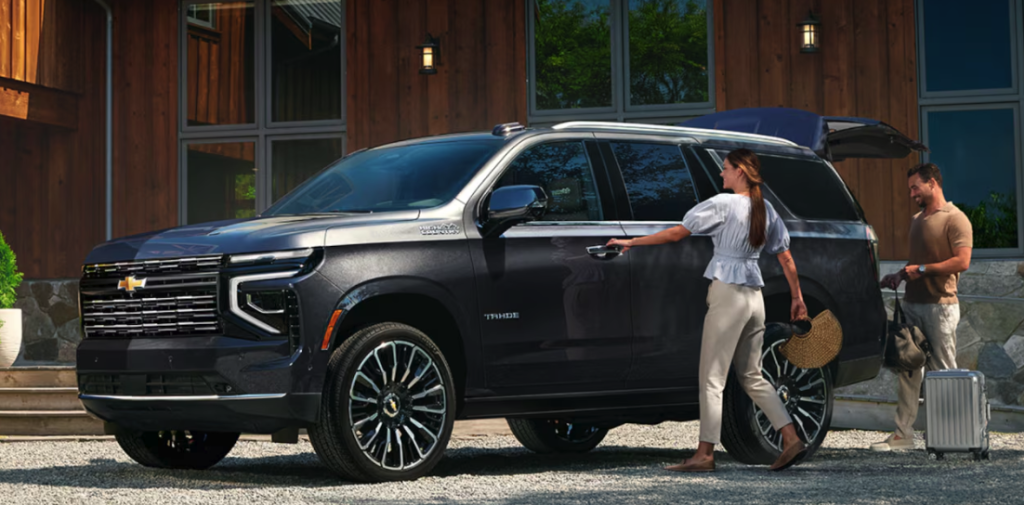
The Chevrolet Tahoe and Suburban can carry essentially the same number of people, offer the same three engine choices, and share much of the same technology. The main difference is space. The 2027 Tahoe is 211.3 inches long with up to 122.7 cubic feet of maximum cargo volume, while the 2027 Suburban stretches to 226.3 inches and provides up to 144.5 cubic feet. For a Bartlett family, the deciding question is not simply whether you want the bigger SUV. It is how often you need all three rows of seats and a large cargo area at the same time. Tahoe leaves 25.5 cubic feet behind its third row, while Suburban provides 41.5 cubic feet, a substantial difference when passengers, suitcases, sports bags, strollers, coolers, or pet gear all need to travel together. If that extra space would be used regularly, Suburban has a clear purpose. If your third row is used only occasionally or your normal family trips do not fill the cargo area, Tahoe delivers much of the same full-size Chevrolet SUV experience in a body that is 15 inches shorter. Chevrolet Tahoe vs Suburban: Tahoe and Suburban are closely related full-size, three-row Chevrolet SUVs with similar seating configurations, powertrains, technology, and trailering features. Suburban extends the body length primarily to create substantially more cargo room, especially behind the third row, while Tahoe keeps the full-size SUV format in a shorter overall footprint. Table of Contents Tahoe and Suburban Basics Seating and Cargo Engine Options Safety and Technology Which Full-Size Chevy SUV Fits Your Family? Tahoe vs Suburban Comparison Table Towing, Parking, and Family Travel The Space Question That Matters Most Memphis-Area Family SUV Needs What to Check on a Tahoe vs Suburban Test Drive Ownership Reality Check Key Takeaways Tahoe vs Suburban FAQ Tahoe and Suburban Basics Tahoe and Suburban occupy the full-size end of Chevrolet's SUV lineup. Both offer three rows, body-on-frame construction, rear-wheel-drive and four-wheel-drive configurations depending on model and equipment, three available engine choices, and many of the same comfort and driver-assistance technologies. That shared foundation is why a Tahoe-versus-Suburban decision should not start with features that both can provide. A family can equip either SUV with similar power, similar seating layouts, large Chevrolet touchscreen technology, and many of the same trim choices. The more useful distinction begins with physical dimensions. Chevrolet lists the 2027 Tahoe at 211.3 inches long. The 2027 Suburban is 226.3 inches long, giving the Suburban an additional 15 inches of overall length. That added length goes primarily toward interior packaging and cargo capacity. It does not turn Suburban into a higher-passenger-count version of Tahoe. Both can be configured for up to nine occupants in appropriate LS seating configurations. Seating and Cargo Both SUVs have eight standard seats in their base configurations, with seven- and nine-seat layouts available depending on model and seating selection. This is one of the most important facts in the comparison because it changes the way the Suburban should be viewed. Suburban's main family advantage is not an additional row or a higher maximum passenger count. Its advantage is how much more cargo space remains when you are already using those passenger seats. The Tahoe provides 25.5 cubic feet of cargo space behind the third row, 72.5 cubic feet behind the second row, and up to 122.7 cubic feet with the rear seating areas folded. Suburban increases those figures to 41.5 cubic feet behind the third row, 93.8 cubic feet behind the second row, and 144.5 cubic feet maximum. The difference behind the third row is particularly useful. Suburban gives you about 16 cubic feet more cargo room while preserving all three rows for passengers. That is a much more relevant family metric than maximum cargo volume if your third row normally stays occupied. Engine Options Tahoe and Suburban offer the same three core engine choices for 2027, so engine selection does not usually determine which body size you need. 5.3L EcoTec3 V8: 355 horsepower and 383 lb-ft of torque. 6.2L EcoTec3 V8: 420 horsepower and 460 lb-ft of torque. 3.0L Duramax Turbo-Diesel: 305 horsepower and 495 lb-ft of torque. The 5.3L V8 is standard on most models other than High Country. The 6.2L V8 is standard on High Country and available on specified upper trims, while the Duramax diesel is available across several LT-and-above configurations. That shared engine menu makes the comparison cleaner. If you like the torque characteristics of the Duramax or the output of the 6.2L V8, you do not need to choose Suburban simply to get that powertrain. The more meaningful decision is still how much vehicle length and cargo capacity you need. Safety and Technology Both SUVs use Chevrolet's large 17.7-inch center touchscreen and current connected-technology ecosystem. Depending on trim and equipment, features can include Google built-in, wireless smartphone connectivity, available camera views, Head-Up Display technology, and other convenience systems. Available Super Cruise is offered on specified Tahoe and Suburban models. Chevrolet also offers Super Cruise functionality that can account for trailering on compatible roads and properly equipped vehicles. Super Cruise remains an advanced driver-assistance technology, not autonomous driving. The driver must remain attentive and ready to take control, and availability depends on the exact model, equipment, compatible roads, and connected-service requirements. Both Tahoe and Suburban also provide suites of standard safety and driver-assistance features. Because their technology is broadly similar, safety-feature lists should not be the main reason to choose the longer body. Which Full-Size Chevy SUV Fits Your Family? The fastest way to narrow the choice is to imagine the vehicle on your busiest realistic family day rather than your easiest one. If five people use the SUV most of the time and the third row mainly handles occasional friends or relatives, Tahoe's 25.5 cubic feet behind row three may be enough. Folding part or all of the rear seating expands the available cargo room significantly when you need it. If six, seven, or eight occupants travel frequently and their luggage needs to remain behind them, Suburban starts solving a problem that Tahoe cannot solve simply by folding a seat. That is where the extra 15 inches of overall vehicle length becomes valuable rather than just making the SUV physically bigger. 2027 Tahoe vs Suburban Comparison Table Feature 2027 Tahoe 2027 Suburban Overall Length 211.3 in. 226.3 in. Length Difference Baseline 15 in. longer Standard Seating 8 8 Available Seating 7 or up to 9 depending on configuration 7 or up to 9 depending on configuration Cargo Behind 3rd Row 25.5 cu. ft. 41.5 cu. ft. Cargo Behind 2nd Row 72.5 cu. ft. 93.8 cu. ft. Maximum Cargo 122.7 cu. ft. 144.5 cu. ft. 5.3L V8 355 hp / 383 lb-ft 355 hp / 383 lb-ft 6.2L V8 420 hp / 460 lb-ft 420 hp / 460 lb-ft 3.0L Duramax 305 hp / 495 lb-ft 305 hp / 495 lb-ft Primary Family Advantage Full-size capability in a shorter footprint Much more cargo space with all rows in use The numbers show why simply describing Suburban as "the bigger Tahoe" misses the practical decision. Passenger capacity and engine options overlap heavily. The additional length primarily buys cargo volume, and its biggest benefit appears when the third row remains occupied. Towing, Parking, and Family Travel Both Tahoe and Suburban are available with substantial trailering capability, but towing is configuration-specific. Engine, drivetrain, axle ratio, equipment packages, payload, passengers, cargo, hitch load, and trailer setup all affect the actual rating of a particular vehicle. Chevrolet currently lists Tahoe at up to 8,400 pounds of maximum available towing when properly equipped. For Suburban, Chevrolet's current 2027 product page contains inconsistent published maximum figures between its main trailering section and FAQ, so the exact vehicle and current Chevrolet trailering documentation should be checked rather than relying on a single generic maximum. That is a useful reminder not to assume that the physically larger SUV automatically tows more. Cargo capacity and trailering capacity are different measurements, and additional passengers or luggage can consume available payload even before trailer tongue weight is added. Trailering reminder: Maximum advertised towing capacity is not the rating for every Tahoe or Suburban. Confirm the exact vehicle configuration, certification labels, payload, trailering equipment, Owner's Manual, and loaded trailer weight before towing. For a broader look at Chevrolet trailering considerations, see the Chevrolet Towing Capacity Guide for Bartlett Drivers. The Space Question That Matters Most The strongest Tahoe-versus-Suburban question is not "How many people do you have?" Both SUVs can handle large passenger counts. The better question is: How often do you need the third row and a large cargo area at the same time? When the third row stays folded for most of the year, Tahoe already offers extensive cargo flexibility. If you normally travel with four or five people, it may be easy to create additional cargo room by folding one section of the rear seating. That changes once every seat has a job. If grandparents, children, teammates, friends, or extended family regularly occupy the third row, folding seats is no longer an available solution. At that point, Suburban's 41.5 cubic feet behind row three becomes a real functional difference rather than just a larger specification. When Tahoe Is Likely the Better Fit Your third row is useful but not occupied on every trip. Most normal drives involve four to six people. You want full-size SUV passenger space and capability without choosing Chevrolet's longest SUV body. Parking, garage length, neighborhood maneuvering, or daily errands matter frequently. You can fold part of the third row when luggage or sports gear expands. When Suburban Is Likely the Better Fit Your third row is occupied regularly. You frequently travel with six to eight people plus their luggage. You carry sports bags, coolers, strollers, pet equipment, or vacation gear while all seating rows remain in use. Long-distance family travel creates more cargo pressure than local maneuverability does. You already know that 25.5 cubic feet behind the Tahoe's third row would regularly feel limiting. Suburban is easiest to justify when the extra space solves a repeatable packaging problem. Tahoe is easier to justify when you want nearly the same passenger and powertrain experience without carrying 15 additional inches of vehicle everywhere you go. Memphis-Area Family SUV Needs Bartlett and Greater Memphis driving can make both sides of this decision noticeable. Highway 64 errands, parking lots, school pickup, and normal suburban streets reward an SUV that is easy to place and maneuver. Longer I-40 trips, vacations, towing weekends, and multi-family outings make passenger-plus-cargo space more important. School Runs and Everyday Errands For daily school drop-off, groceries, commuting, and local appointments, the Tahoe's shorter length can be the more relevant specification. Both vehicles are full-size SUVs, so neither is compact, but a 15-inch difference can matter when pulling into tighter parking spaces or working around the dimensions of a home garage. A household with two or three children does not automatically need Suburban. If the third row is mainly there for carpools or occasional guests, Tahoe can offer significant flexibility without making maximum cargo space a permanent requirement. Sports, Activities, and Carpools Sports schedules can change the equation quickly because equipment uses space even when the passenger count stays the same. A third row full of teammates plus bags, folding chairs, coolers, or other equipment creates a different packaging problem from simply transporting seven people. This is where comparing cargo behind the third row matters more than comparing seating capacity. Both SUVs can carry the people. Suburban gives their equipment more dedicated space without asking someone to give up a seat. Road Trips On longer trips, every passenger tends to bring something. Suitcases, backpacks, snacks, coolers, pillows, pet gear, and other items quickly fill the area behind the third row. A family that feels comfortable in Tahoe during local driving may discover that the cargo area becomes the limiting factor during vacation travel. Suburban's advantage is strongest in exactly that situation. The vehicle does not need to become a two-row SUV just to create useful luggage capacity. If you are comparing Chevrolet SUVs beyond these two full-size models, the Chevrolet family SUV guide also covers Equinox, Traverse, Tahoe, and Suburban for different household sizes. Boats, Campers, and Family Gear Households that tow should evaluate two separate space questions: what the trailer weighs when loaded and what must still fit inside the SUV. Passenger weight, cargo, accessories, and tongue weight all affect vehicle capacity. A Suburban may make the cabin easier to pack for a towing trip, but extra cargo room does not replace configuration-specific trailering limits. A Tahoe may have enough cabin capacity for a smaller family while offering the same basic engine choices. View Current Chevrolet Inventory What to Check on a Tahoe vs Suburban Test Drive A useful Tahoe-versus-Suburban comparison should include more than driving each SUV around the block. Because so much of the difference is packaging, spend part of the comparison parked. Park Both SUVs Try a normal parking space rather than judging dimensions from the showroom. Pay attention to how much room remains at the front and rear, how easy it is to judge the corners, and whether the additional Suburban length changes your comfort level. Use the Third Row Have the people who will actually use the third row get in and out. Do not evaluate it only from the driver's seat. If children, teenagers, or adults will regularly sit there, check access with the second-row configuration you intend to buy. Look Behind the Third Row This may be the single most useful step. Keep all seats upright and inspect the cargo area as though the vehicle were packed for the trip that causes the most stress in your current SUV. If possible, think in actual objects: stroller, sports bags, suitcases, cooler, pet crate, musical instruments, or whatever your household really carries. Maximum cargo volume with every seat folded does not answer that question. Check Your Garage and Driveway Vehicle length on a specification sheet becomes much more meaningful when compared with your parking environment. Suburban is 15 inches longer than Tahoe, so check whether that changes garage-door clearance, storage access, walking room, or driveway placement. Compare the Same Type of Trim Try not to compare a heavily equipped Suburban against a basic Tahoe and conclude the difference comes from vehicle size. Similar trims make it easier to isolate the actual body-size decision from leather, suspension, wheel, technology, or appearance differences. Ownership Reality Check: Are You Buying Space You Will Use? Suburban's extra room is valuable because it exists without asking passengers to surrender seats. That makes it a strong tool for families whose busiest trips regularly combine people and gear. But unused space still travels with you every day. If your normal routine involves four people, moderate luggage, occasional third-row use, and frequent local driving, Tahoe may provide a better match between full-size capability and everyday footprint. You still have three rows, up to 122.7 cubic feet of maximum cargo room, the same broad engine menu, and many of the same technology choices. If your family already knows what happens when every row is occupied and everyone brings luggage, Suburban's 41.5 cubic feet behind the third row addresses the problem directly. It is not simply a luxury of having more room. In that use case, it can keep the third row functional instead of turning every trip into a decision about which seat must be folded. Do Not Choose by Passenger Count Alone A family of five could need Suburban if every trip includes large sports equipment, pets, or frequent extended-family travel. A family of seven could still be comfortable in Tahoe if the third row is used mostly for short local drives without large amounts of cargo. The better measure is the combination of passengers and cargo during the trips you take repeatedly. Do Not Assume Bigger Means Better for Towing Tahoe and Suburban towing capability depends on configuration. Bigger cargo capacity does not automatically mean a higher trailer rating. If towing is central to the purchase, confirm the exact vehicle rather than using SUV size as a shortcut. Do Not Ignore the 15-Inch Difference Fifteen inches may sound modest until the SUV is in a garage or parking space. It may also feel completely worthwhile when six passengers and their bags fit without compromise. That is why an in-person comparison is more useful than deciding from maximum-cargo numbers alone. Key Takeaways The 2027 Tahoe and Suburban offer similar seating choices and the same three core engine options. Tahoe is 211.3 inches long, while Suburban is 226.3 inches long, a 15-inch difference. Tahoe provides 25.5 cu. ft. behind the third row; Suburban provides 41.5 cu. ft. Suburban's strongest advantage appears when all three rows remain occupied and the family still needs substantial luggage or gear space. Tahoe gives families full-size Chevrolet SUV capability in a shorter overall footprint. Trailering capacity is configuration-specific and should be verified for the exact vehicle rather than inferred from vehicle size. Tahoe vs Suburban FAQ How much bigger is a 2027 Suburban than a Tahoe? Chevrolet lists the 2027 Tahoe at 211.3 inches long and the 2027 Suburban at 226.3 inches long. That makes Suburban 15 inches longer overall. The additional length contributes to its larger cargo area, particularly behind the third row. Does a Suburban seat more people than a Tahoe? Not necessarily. Both 2027 SUVs have eight standard seats and can be configured with seven seats or up to nine depending on the selected seating configuration. Suburban's primary advantage is additional cargo space rather than an extra passenger row. Which has more cargo space behind the third row? The 2027 Tahoe provides 25.5 cubic feet behind the third row, while the 2027 Suburban provides 41.5 cubic feet. That roughly 16-cubic-foot difference is especially useful for families that regularly keep the third row occupied while carrying luggage, sports equipment, strollers, coolers, or other gear. Can a Tahoe tow more than a Suburban? Towing depends on the exact engine, drivetrain, trailering equipment, axle configuration, payload, passengers, cargo, and other vehicle details. Chevrolet lists Tahoe at up to 8,400 pounds when properly equipped. Chevrolet's current 2027 Suburban page contains conflicting published maximum figures, so confirm the specific Suburban's current Chevrolet trailering documentation and vehicle labels before making a towing decision. Compare Tahoe and Suburban in Bartlett Tahoe and Suburban make the most sense for different versions of the same full-size SUV need. Tahoe gives you three-row flexibility, large cargo capacity, substantial available towing, and the same core powertrain choices in a shorter package. Suburban adds length where families often feel the pressure most: the cargo area behind occupied seats. When you compare them, bring the real requirements with you. Think about who uses the third row, what normally travels behind it, where the vehicle will park, and whether towing is part of the plan. Current inventory and model availability can change, so review live Dobbs Brothers Chevrolet inventory before planning a specific test drive. View Current Chevrolet Inventory Related Chevrolet Insights & Updates Family SUV Guide Best 2026 Chevrolet SUVs for Child Safety and Family Travel in Bartlett Compare Equinox, Traverse, Tahoe, and Suburban for family space, three-row needs, cargo flexibility, and daily driving. Read More SUV Comparison 2026 Chevrolet Equinox vs Traverse: Which SUV Fits Your Bartlett Family See how Chevrolet's compact and three-row SUV choices compare if Tahoe or Suburban may be more vehicle than your household needs. Read More Towing Guide 2026 Chevrolet Towing Capacity Guide for Bartlett Drivers Review configuration-specific Chevrolet towing considerations for Tahoe, Suburban, trucks, and other current models. Read More Chevrolet SUV Guide Which 2026 Chevrolet SUV Is Right for You in Bartlett TN Compare Chevrolet SUV sizes and family-use cases before deciding whether a full-size Tahoe or Suburban is the right step. Read More

Colorado ZR2 vs ZR2 Bison for Bartlett Drivers

Colorado ZR2 vs ZR2 Bison for Bartlett Drivers

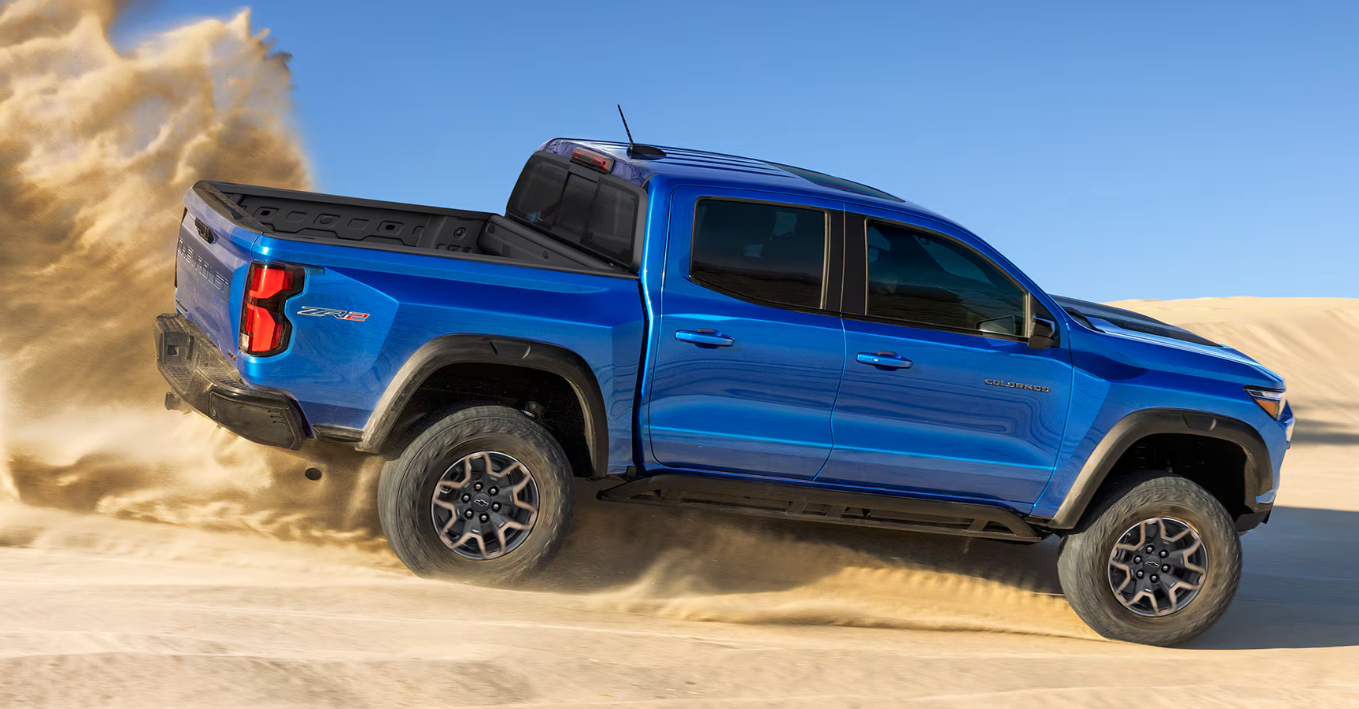
The 2026 Chevrolet Colorado ZR2 and Colorado ZR2 Bison use the same core 2.7L TurboMax powertrain with 310 horsepower and 430 lb-ft of torque, so choosing Bison is not about buying more engine. The regular ZR2 already brings serious off-road hardware with 33-inch mud-terrain tires, a 3-inch factory lift and Multimatic DSSV dampers, while the Bison Edition adds 35-inch mud-terrain tires, front and rear jounce-control dampers, 12.2 inches of ground clearance and additional AEV-developed protection. For a Bartlett driver, that makes the real decision fairly clear: choose the standard ZR2 if you want substantial factory off-road capability without maximizing every terrain-focused specification, and look harder at Bison if larger obstacles, underbody contact, clearance and repeated demanding off-road use are actually part of the plan. The Bison's extra equipment is meaningful, but it is specialized equipment rather than an automatic upgrade every Colorado buyer needs. That distinction matters because these are not two trucks separated mainly by horsepower or interior luxury. They start with the same strong ZR2 foundation, then the Bison Edition extends how far that foundation can go when the terrain becomes more demanding. What is the Colorado ZR2 Bison? The Colorado ZR2 is Chevrolet's specialized off-road Colorado trim, while the ZR2 Bison is an available edition developed with American Expedition Vehicles, or AEV. Bison builds on ZR2 with larger 35-inch mud-terrain tires, additional suspension-control hardware, 12.2 inches of ground clearance, AEV equipment and five boron-steel skid plates. Table of Contents Colorado Off-Road Trim Basics ZR2 Hardware What ZR2 Bison Adds Engine, Suspension, and Tires Which Colorado Off-Road Setup Fits Your Use? ZR2 vs ZR2 Bison Comparison Daily Driving and Trail Use Bartlett Midsize Truck Context Ownership Tradeoff Insight Off-Road Ownership and Service Considerations Key Takeaways Colorado ZR2 vs ZR2 Bison FAQ Colorado Off-Road Trim Basics Colorado's off-road lineup can look complicated if you start with badges instead of hardware. Trail Boss introduces a factory lift, all-terrain tires and off-road-oriented equipment. Z71 adds its own mix of trail capability and everyday design. ZR2 then moves into more specialized territory with larger mud-terrain tires, a taller lift, Multimatic DSSV dampers, additional drive modes and substantial underbody protection. Bison begins after that point. It is not the basic ticket into Colorado off-road capability, and it is not required to get the ZR2's core suspension or TurboMax output. Instead, Chevrolet and AEV take the ZR2 platform and add equipment aimed at increasing clearance, impact protection and control in more demanding terrain. If you are still deciding whether you need a ZR2 at all, the 2026 Chevrolet Colorado Trim Levels guide is the better place to start. The ZR2-versus-Bison question makes the most sense once you already know your use case justifies the top end of Colorado's off-road lineup. ZR2 Hardware The regular 2026 Colorado ZR2 is already far removed from a standard street-oriented midsize truck. Chevrolet equips it with the 2.7L TurboMax engine producing 310 horsepower and 430 lb-ft of torque, an enhanced 8-speed transmission, 17-inch wheels with 33-inch mud-terrain tires and a 3-inch factory-installed lift. The suspension is one of the ZR2's defining features. Multimatic DSSV dampers are designed to provide more controlled damping across a wider range of conditions than a conventional shock setup. The truck also receives five selectable drive modes and an off-road performance display. ZR2 hardware includes full skid plates and rocker protection, while Chevrolet also offers underbody-camera technology that can provide a view of terrain beneath the truck. For trail driving where the driver's direct line of sight cannot show what is immediately under the front of the vehicle, that extra visual information can be genuinely useful. Chevrolet also identifies selectable locking differentials and Baja mode as part of the broader ZR2 off-road formula. Baja mode is calibrated to adjust power delivery, stability control and traction behavior for sandy terrain. None of that depends on ordering Bison. Important point: A standard Colorado ZR2 is already a highly specialized off-road truck. The Bison Edition should be evaluated as an extension of ZR2 capability, not as the point where real off-road equipment begins. What ZR2 Bison Adds The Bison Edition is where Chevrolet and American Expedition Vehicles push the ZR2 farther toward demanding terrain. The most visible change is tire size: Bison moves from the ZR2's 33-inch mud-terrain tires to 35-inch OD mud-terrain tires mounted on AEV 17-inch beadlock-capable wheels. Those larger tires contribute to the Bison's 12.2 inches of ground clearance. More clearance can matter when a truck needs to pass over rocks, ruts, ledges or uneven terrain without putting the chassis and underbody as close to the obstacle. Bison also adds front and rear jounce-control dampers. These are not a replacement for the ZR2's core DSSV suspension. Instead, they provide additional control as the suspension approaches the limits of its travel during harder impacts or compression events. Protection is another major part of the package. Chevrolet lists five boron-steel skid plates for Colorado ZR2 Bison along with heavy-duty AEV front and rear stamped-steel bumpers. Those additions make far more sense for a driver who expects genuine underbody contact risk than for someone whose truck will spend nearly all of its time on pavement. That is the useful way to think about Bison equipment: it is designed around what happens when terrain becomes more severe, not around making the truck faster in a straight line. Engine, Suspension, and Tires The ZR2 and ZR2 Bison do not separate themselves through engine output. Both start with Colorado's 2.7L TurboMax foundation, rated by Chevrolet at 310 horsepower and 430 lb-ft of torque. The meaningful differences are underneath and around that powertrain: tire diameter, clearance, impact protection and additional suspension-control hardware. Standard ZR2 already gives you 33-inch mud-terrain tires, a 3-inch factory lift, Multimatic DSSV dampers, full skid protection and selectable off-road systems. Bison moves to 35-inch mud-terrain tires, adds front and rear jounce-control dampers, reaches 12.2 inches of ground clearance and adds AEV-developed armor and hardware. In practical terms, the upgrade is about increasing the truck's margin when obstacles become larger and suspension impacts become more severe, not about producing more horsepower. Tire size deserves more attention than it usually gets in a quick trim comparison. A larger mud-terrain tire can help increase clearance and provide a larger footprint for demanding off-road work, but it also makes the truck more specialized. Tire replacement cost, road noise, steering feel and everyday ride characteristics can matter more when most mileage still happens on pavement. That does not make the 35-inch setup a negative. It simply means the extra capability has a purpose, and the owner should have a use for that purpose. Which Colorado Off-Road Setup Fits Your Use? The simplest way to choose between ZR2 and Bison is to stop asking which one has the longest equipment list and start asking where the truck will actually go. If off-road use means dirt roads, rough access roads, muddy property, trailheads, camping routes and occasional technical sections, a regular ZR2 already provides a deep set of factory hardware. Its 33-inch MT tires, 3-inch lift, DSSV dampers, skid protection, locking-differential capability and drive modes give the driver much more than an appearance-oriented off-road package. If your terrain regularly involves larger rocks, deeper ruts, abrupt ledges, higher risk of underbody contact or repeated suspension compression, the Bison additions become easier to justify. The 35-inch tires, increased clearance, jounce-control dampers and AEV armor address those specific problems directly. 2026 Colorado ZR2 vs ZR2 Bison Comparison Table Feature Colorado ZR2 Colorado ZR2 Bison Engine 2.7L TurboMax 2.7L TurboMax foundation Output 310 hp / 430 lb-ft Same core ZR2 output Transmission Enhanced 8-speed automatic Enhanced 8-speed automatic Tires 33-inch MT tires 35-inch OD MT tires Primary Dampers Multimatic DSSV ZR2 suspension plus front and rear jounce-control dampers Factory Lift 3-inch factory-installed lift More specialized Bison stance and 12.2-inch ground clearance Underbody Protection Full skid plates and rocker protection Five boron-steel skid plates plus AEV hardware Wheels 17-inch wheels AEV 17-inch beadlock-capable wheels Bumpers ZR2 off-road configuration Heavy-duty AEV front and rear stamped-steel bumpers Best Decision Logic Serious off-road capability plus broader mixed-use ownership More clearance and protection for repeated demanding terrain The comparison makes the buying logic clearer. Bison does not replace a weak ZR2 setup with a strong one. It takes an already capable ZR2 and adds hardware aimed at the situations where tire diameter, clearance, impact control and armor are likely to be tested more often. Daily Driving and Trail Use A truck's most extreme capability can be exciting, but ownership still happens mile by mile. If your Colorado will spend Monday through Friday commuting around Bartlett or Memphis before heading off pavement on weekends, it is worth thinking about how much specialization you want during the other 90 percent of your driving. The regular ZR2 already uses mud-terrain tires and a lifted suspension, so it is not trying to imitate an ordinary Colorado LT. Still, the Bison's 35-inch tires, additional height and more extreme hardware move another step toward trail-first priorities. That can matter in parking lots, garages and everyday loading. Larger tires and additional ride height can make entry and cargo access feel different, especially for passengers who are not expecting a lifted truck. A more specialized mud-terrain tire may also produce different noise and road feel than an all-terrain or conventional street tire. Those tradeoffs become much easier to accept when the truck regularly encounters terrain that benefits from 12.2 inches of clearance and additional underbody protection. If those situations are rare, standard ZR2 may give you the better balance simply because so much serious off-road equipment is already included. When Standard ZR2 Makes More Sense You want serious factory off-road suspension without maximizing tire size. You use the truck for regular commuting as well as weekend trails. Your off-road routes are demanding enough to justify ZR2 but do not routinely create underbody-clearance problems. You value DSSV dampers, locking-differential capability and Baja mode but do not specifically need Bison's AEV equipment. You want to keep the truck closer to the normal ZR2 footprint and tire setup. When ZR2 Bison Makes More Sense Your routes regularly involve rocks, deep ruts, ledges or terrain where extra clearance matters. Underbody contact and impact protection are genuine concerns. You specifically want 35-inch mud-terrain tires in a factory-integrated setup. You expect to use the added jounce-control hardware rather than simply liking that it is included. You want AEV-developed bumpers, wheels and protection without creating an equivalent aftermarket build yourself. The strongest reason to choose Bison is not that it sits above ZR2. It is that you can point to specific terrain where its extra hardware solves a problem. If the 35-inch tires, 12.2 inches of ground clearance, jounce-control dampers and additional AEV protection address conditions you expect to encounter repeatedly, Bison has a clear purpose. If you cannot identify where those differences will matter, the standard ZR2 already provides an unusually deep factory off-road package. View Current Chevrolet Inventory Bartlett Midsize Truck Context A Colorado has one practical advantage before trim choice even enters the conversation: its midsize footprint. Chevrolet lists the 2026 Colorado at 214 inches long. That keeps it meaningfully different from stepping into a full-size Silverado simply because you want real truck capability. For Bartlett and Greater Memphis driving, that size can make a difference in parking, neighborhood streets and ordinary daily use. The ZR2 and Bison preserve the Colorado's basic midsize format while adding equipment that changes height, tire dimensions and off-road behavior rather than stretching the truck into a full-size platform. Memphis Parking, Weekend Trails, and Light Work For a driver using Highway 64, I-40 or local streets during the week, the regular ZR2 may already sit at the aggressive end of what is useful for normal pavement. It still gives you the truck bed, TurboMax torque and off-road systems when the weekend changes the route. Bison becomes more compelling when those weekends involve more than maintained gravel, dirt roads or muddy access points. Extra clearance and armor have their greatest value when there is a realistic chance of the truck's underbody or bumpers meeting the terrain. The same reasoning applies to light work use. If the Colorado occasionally carries tools or supplies and spends most of its time on roads and jobsites, choosing Bison solely because it is the highest-spec off-road version may add equipment that never gets used. If work access routinely involves badly rutted property or rough terrain, the calculation changes. What About Towing? This is an area where the Colorado's headline number can be misleading if it is applied to every configuration. Chevrolet advertises up to 7,700 pounds of maximum available towing for the broader 2026 Colorado lineup, but its official 2026 Trailering Chart separately lists the 4WD ZR2 at up to 6,000 pounds with the specified configuration. That means ZR2 should not be chosen simply because it sits high in the lineup if maximum towing is the main priority. Off-road specialization and maximum trailer rating are different goals. Chevrolet's current 2026 trailering chart does not provide a separate Bison-specific row in the published table we reviewed. For that reason, a Bison shopper should confirm the exact vehicle's certification labels, Owner's Manual and current Chevrolet trailering documentation rather than assuming the regular ZR2 figure automatically applies to every Bison configuration. Towing reminder: Maximum trailer weight is configuration-specific. Passengers, cargo, accessories and trailer tongue weight also consume available vehicle capacity. Always confirm the exact truck and trailer setup before towing. For a broader look at how Colorado fits within Chevrolet's towing lineup, see our 2026 Chevrolet Towing Capacity Guide for Bartlett Drivers. Ownership Tradeoff Insight Off-road trucks make the most sense when you buy hardware for conditions rather than hierarchy. The fact that Bison extends ZR2 capability does not mean every ZR2 buyer should move up to Bison. In many cases, the regular ZR2 is already the specialized choice compared with the rest of the Colorado lineup. Start with the obstacle rather than the equipment list. If Ground Clearance Is the Problem Bison's 12.2 inches of ground clearance and 35-inch tires are directly relevant when breakover clearance and underbody distance are limiting factors. If your trails repeatedly put the center or underside of the truck close to rocks and ledges, that is tangible capability rather than specification-sheet decoration. If Suspension Compression Is the Problem The Bison's front and rear jounce-control dampers add another layer of control for harder suspension events. That becomes much more relevant for repeated demanding off-road use than for a truck that spends most of its life on pavement and maintained dirt roads. If Underbody Protection Is the Problem The Bison's five boron-steel skid plates and AEV-developed bumper hardware make sense when contact risk is part of the environment. The standard ZR2 is not unprotected, however. Chevrolet already gives it full skid plates and rocker protection. That distinction is exactly why the decision should not become "protected versus unprotected." It is better described as serious factory protection versus an even more specialized AEV-developed protection package. If Horsepower Is the Problem Bison is not the answer, because horsepower is not the difference. Both versions use the same TurboMax-based ZR2 powertrain. A buyer looking for a stronger engine does not gain one simply by choosing Bison. If Daily Driving Is the Main Job Then it is worth asking whether you need ZR2 at all before comparing it with Bison. Z71 or Trail Boss may provide enough rough-road ability with less specialization, depending on what you actually expect the truck to do. Dobbs Brothers Chevrolet already has a broader Colorado Off-Road Features and Trail Boss guide that explains that lower part of the off-road trim ladder. This comparison starts where that decision ends. Off-Road Ownership and Service Considerations A ZR2 or Bison may arrive from the factory ready for demanding terrain, but factory hardware does not eliminate the need for inspection and maintenance after hard use. Off-road driving can expose tires, wheels, steering, suspension components and underbody protection to forces they may rarely see during ordinary road driving. Tires and Tire Pressure Both versions use mud-terrain tires, with Bison moving up to 35-inch OD tires. Check pressure according to Chevrolet's vehicle-specific guidance for normal driving rather than choosing a pressure based on appearance or advice intended for another truck. After rough terrain, inspect the tires for cuts, punctures, sidewall damage or objects trapped in the tread. A large aggressive tire is still vulnerable to damage from sharp rocks and debris. Alignment and Steering A hard impact with a rut, rock or obstacle can affect alignment or steering components. If the truck begins pulling, the steering wheel no longer sits normally on a straight road, or tire wear becomes uneven, an inspection can help determine whether something changed. Skid Plates and Underbody Protection Skid plates are designed to provide protection, but contact marks should not simply be ignored because armor is present. After significant impacts, check for deformation, loosened mounting hardware or anything that could interfere with another component. This is particularly relevant to Bison because one of the primary reasons to buy the edition is increased underbody protection. Using that protection as intended also means checking it after the type of terrain that puts it to work. Mud and Debris Mud can collect around wheels, suspension components, brakes and underbody areas. Cleaning the truck after heavy off-road use helps make visual inspection easier and removes material that could remain packed around components. These are general ownership considerations rather than a remote diagnosis. If your Colorado has taken a substantial impact, developed a warning message, changed its steering behavior or shows visible damage, have the specific vehicle inspected. Safety and Driver Assistance on the 2026 Colorado Chevrolet lists Chevy Safety Assist as standard on the 2026 Colorado. The suite includes Forward Collision Alert, Automatic Emergency Braking, Front Pedestrian Braking, Lane Keep Assist with Lane Departure Warning, Following Distance Indicator and IntelliBeam automatic high beams. These systems are designed to assist the driver under certain conditions. They do not make the ZR2 or Bison autonomous, and off-road hardware does not change the driver's responsibility to choose a safe speed and route for the surface. Chevrolet also notes that weather, visibility and road conditions can affect driver-assistance performance. That limitation is especially relevant when driving in mud, dust, heavy rain or other conditions that may affect sensors and cameras. Key Takeaways The 2026 Colorado ZR2 and ZR2 Bison share the same core 2.7L TurboMax output of 310 horsepower and 430 lb-ft of torque. Standard ZR2 already includes 33-inch mud-terrain tires, a 3-inch factory lift, Multimatic DSSV dampers, off-road drive modes and substantial underbody protection. ZR2 Bison adds 35-inch OD mud-terrain tires, 12.2 inches of ground clearance, front and rear jounce-control dampers, AEV hardware and five boron-steel skid plates. Bison makes the strongest case when extra clearance, impact control and underbody protection solve problems you expect to encounter regularly. Chevrolet's 2026 trailering chart lists ZR2 at up to 6,000 pounds in the specified 4WD configuration, below the Colorado lineup's 7,700-pound headline maximum. If most of your driving is pavement with occasional off-road use, standard ZR2 may already provide more than enough specialized equipment. Colorado ZR2 vs ZR2 Bison FAQ Is the 2026 Colorado ZR2 Bison more powerful than the regular ZR2? No. Both use the same core 2.7L TurboMax powertrain rated at 310 horsepower and 430 lb-ft of torque. Bison's advantage comes from its 35-inch tires, additional suspension-control hardware, ground clearance, AEV components and underbody protection rather than additional engine output. What does the Bison Edition add to the Colorado ZR2? Chevrolet lists 35-inch OD mud-terrain tires, front and rear jounce-control dampers, 12.2 inches of ground clearance and five boron-steel skid plates. Chevrolet's ZR2-family information also identifies heavy-duty AEV front and rear stamped-steel bumpers and AEV 17-inch beadlock-capable wheels. Is the Colorado ZR2 or ZR2 Bison better for daily driving? The answer depends on how much of your ownership is built around demanding off-road terrain. Standard ZR2 already provides extensive trail hardware and may be the more balanced choice when the truck also sees substantial commuting and pavement use. Bison becomes easier to justify when its larger tires, added clearance and protection are likely to be used regularly. How much can a 2026 Chevrolet Colorado ZR2 tow? Chevrolet's official 2026 trailering chart lists the 4WD Colorado ZR2 with the 2.7L TurboMax at up to 6,000 pounds of maximum trailer weight and an 11,600-pound GCWR for the listed configuration. The chart does not provide a separate Bison-specific row, so confirm the exact truck's certification labels, Owner's Manual and current Chevrolet documentation before towing. Compare Colorado ZR2 Options in Bartlett If you already know you want a Colorado with serious factory off-road hardware, the next decision is not simply how high you can go in the lineup. Compare the terrain you expect to drive with the equipment each setup adds. A regular ZR2 already provides the core suspension, tires, protection and off-road systems many owners are looking for. Bison makes sense when you can put its extra clearance, 35-inch tires, jounce-control dampers and AEV protection to work. Current trim and vehicle availability can change, so check the live new-vehicle inventory at Dobbs Brothers Chevrolet before planning a specific test drive. View Current Chevrolet Inventory Related Chevrolet Insights & Updates Colorado Off-Road Guide 2026 Chevrolet Colorado Off Road Features and Trail Boss Compare Trail Boss, Z71 and ZR2 hardware before deciding how much factory off-road capability you need. Read More Colorado Trim Guide 2026 Chevrolet Colorado Trim Levels Explained Near Bartlett, TN See how WT, Custom, LT, Trail Boss, Z71 and ZR2 fit different truck-shopping priorities. Read More Towing Guide 2026 Chevrolet Towing Capacity Guide for Bartlett Drivers Compare configuration-specific towing considerations across Chevrolet trucks and SUVs before matching a vehicle to a trailer. Read More Truck & SUV Guide Best 2026 Chevrolet Trucks and SUVs for Spring Adventures Near Bartlett Explore Chevrolet vehicles for outdoor travel, cargo, towing and weekend trips around West Tennessee and beyond. Read More

Chevy Truck Accessories in Bartlett

Chevy Truck Accessories in Bartlett

Truck accessories are most useful when they solve a problem you actually have. For a Chevrolet Silverado or Colorado owner, that may mean protecting the bed, keeping tools or cargo organized, covering the bed from weather and view, adding easier cab access, protecting the interior, or making sure the truck has the correct equipment for a specific trailering setup. The important part is that a product described broadly as a "Chevy truck accessory" is not automatically compatible with every Chevrolet pickup. Model year, truck model, bed length, body configuration, trim, and existing equipment can all matter. Starting with the job you want the accessory to do, then confirming exact vehicle fitment, is a better approach than buying from a generic list of popular truck upgrades. At Dobbs Brothers Chevrolet in Bartlett, truck owners can submit their year, make, model, trim, VIN, and requested part through the Chevrolet Parts Request form. That gives the parts team the vehicle information needed to help review availability, fitment, and next steps before you order. What are Chevrolet truck accessories? Chevrolet truck accessories are vehicle-specific products that can add protection, cargo management, trailering support, convenience, or personalization to trucks such as the Silverado and Colorado. Compatibility can depend on the exact model year, body configuration, bed length, trim, and equipment already installed on the truck. In This Article Popular Chevy Truck Accessories Bed Protection and Covers Towing and Work Add-Ons Interior and All-Weather Protection Choosing Accessories by Truck Use Bartlett Parts Counter Context Fitment, Warranty, and Installation Help Ownership Reality Check Key Takeaways Chevy Truck Accessories FAQ Popular Chevy Truck Accessories The useful way to divide truck accessories is by function, not by how dramatic they look in a catalog. Bed protection makes sense if the cargo box regularly carries tools, equipment, landscaping supplies, building materials, camping gear, or other items that can scrape or stain the surface. A tonneau cover changes how exposed cargo is to weather and view. Floor liners protect an area that sees constant contact with mud, rain, work boots, and everyday debris. Other accessories solve more specialized problems. Assist steps can make cab access easier. Cargo-management equipment can help keep loose items from moving around the bed. Trailering products may support a particular towing configuration, but they need to be matched to the truck and trailer rather than treated as an automatic upgrade to the vehicle's rated capacity. That difference matters for Silverado 1500, Silverado HD, and Colorado owners because Chevrolet's pickup lineup covers very different sizes and configurations. A useful accessory decision starts by asking what the truck does during a normal week. Bed Protection and Covers A pickup bed is one of the areas most likely to benefit from an accessory because it is deliberately exposed to cargo, weather, dirt, and movement. Chevrolet offers vehicle-specific bed-protection products, and some applications are explicitly separated by bed configuration. For example, Chevrolet lists certain Silverado 1500 bed liners specifically for short-bed models rather than describing them as universal Silverado products. That is a useful reminder that the phrase "fits Silverado" may not provide enough information to order correctly. Even within the same model family, bed dimensions and body configurations can change which product is appropriate. Bed Liner vs. Bed Mat A bed liner is the more comprehensive protection choice when you want coverage across a larger portion of the bed. A bed mat is generally a simpler approach focused on the bed floor. Which one makes more sense depends on what you carry and which areas of the bed receive the most contact. If the truck regularly carries bulky or dirty equipment, broader bed protection may have more value. If the main concern is reducing direct contact between cargo and the bed floor, a mat may solve the problem without adding as much material around the sides of the bed. Neither answer is automatically better. The useful question is what needs protection and how often you remove, clean, or rearrange equipment. Hard vs. Soft Tonneau Covers Tonneau covers add another decision. A soft roll-up design can be attractive when quick bed access and easy opening are priorities. A hard cover may appeal to an owner who places more emphasis on a rigid barrier over the cargo area. Folding, rolling, and other designs can also change how much of the bed remains accessible when the cover is open. Before choosing one, think about what normally goes into the truck bed. A cover that works well over luggage, tools, or grocery cargo may become inconvenient if tall equipment regularly extends above the bed rails. Bed length and compatible mounting points matter as well. Fitment note: Bed accessories should be matched to the exact truck rather than ordered by model name alone. Model year, bed length, body configuration, and existing bed equipment can affect compatibility. Towing and Work Add-Ons Truck owners often look at trailering equipment at the same time they shop for bed and work accessories. Depending on the vehicle and intended setup, that category can include hitch-related equipment, wiring products, trailering components, and other hardware designed for use with a particular Chevrolet configuration. This is also the category where it is most important to separate accessory fitment from vehicle capability. Installing a hitch, wiring component, or another trailering accessory does not by itself increase the maximum towing capacity Chevrolet assigns to the truck. The actual rating depends on the specific vehicle configuration and can be affected by engine, drivetrain, axle ratio, cab and bed configuration, trailering package, payload, passengers, cargo, and other equipment. Use the vehicle certification labels, Owner's Manual, and applicable Chevrolet trailering information to confirm the limits of the exact truck. Payload matters too. Passengers, tools, cargo, accessories, and trailer tongue weight all use part of the truck's available payload. That is why a towing setup should not be evaluated only by comparing the trailer's dry weight with a headline maximum-towing number. If towing is an important part of how you use your truck, our 2026 Chevrolet Towing Capacity Guide for Bartlett Drivers provides more context on configuration-specific Chevrolet towing limits. Work Accessories and Cargo Management For a truck that carries tools or supplies, organization can be more valuable than simply adding more equipment. Tie-down solutions, bed storage, cargo dividers, and compatible storage systems can help create a predictable place for the items you use most often. The best setup depends on what must remain accessible. If you need nearly the full bed for large materials several times a week, a permanent storage solution that occupies significant bed space can work against you. If smaller tools are the primary load, dedicated organization can reduce the need to move multiple containers every time you need one item. Assist steps and running boards can also be functional work accessories rather than appearance upgrades. They may make repeated cab entry easier, particularly on taller truck configurations. The right choice should still be checked for exact vehicle compatibility and any interaction with existing equipment. Interior and All-Weather Protection Not every worthwhile truck accessory belongs outside the cab. Chevrolet offers floor mats and floor liners engineered for specific vehicle applications. Floor liners typically use taller edges and more molded coverage than a conventional flat mat, making them useful for dirt, rainwater, mud, and other debris brought into the truck on shoes. That can be especially practical for a truck that switches between work duty and everyday transportation. A Silverado or Colorado may spend part of the week carrying equipment and the rest transporting family members, groceries, sports gear, or commuting supplies. Protecting the footwells can be one of the simplest ownership upgrades because the accessory is used virtually every time someone enters the truck. Interior storage accessories can make sense for the same reason. The goal should be to make frequently used items easier to secure and retrieve, not simply to fill every available storage area with an accessory. Choosing Accessories by Truck Use A useful accessory plan starts with your normal use case and then works backward. A contractor, frequent trailer owner, daily commuter, and weekend outdoor driver may own the same model of truck but need completely different equipment. Truck Use Accessories to Consider Main Question Before Buying Contractor or Work Truck Bed protection, cargo management, assist steps, floor protection Which tools and materials need to stay accessible every day? Frequent Hauling Bed liner or mat, tie-down equipment, tonneau cover Do you need an open bed often, or more covered cargo space? Trailer Owner Compatible trailering equipment and wiring What equipment is specified for the exact truck and trailer combination? Weekend and Outdoor Use Bed cover, floor protection, cargo organization What needs weather protection, security, or quick access? Daily Driver Floor liners, storage, steps, practical bed protection Will the accessory improve something you deal with every day? Contractors A work truck benefits most from accessories that protect surfaces or make tools and supplies easier to manage. Start by looking at what occupies the bed on an ordinary workday. If long or bulky materials are common, preserving open bed space may matter more than installing a large permanent storage system. If smaller tools and parts dominate the load, organization may have greater value. Interior protection can also be a sensible early purchase because work boots, dirt, rain, and repeated entry can put more wear on the cabin than occasional recreational use. Haulers and Trailer Owners If the truck frequently moves cargo in the bed, focus first on the surfaces and equipment directly involved in that task. Bed protection and secure tie-down points may matter before appearance accessories. For towing, begin with the truck's actual trailering configuration. Then identify the compatible hardware required by that setup. Do not work backward by buying a hitch component first and assuming the vehicle can safely handle whatever trailer fits it. Weekend and Outdoor Drivers A truck used for camping, home projects, recreation, or occasional trail use may benefit more from flexibility. A bed cover can make it easier to keep everyday cargo covered while still allowing the bed to open for larger gear. Floor protection is useful when wet or dirty equipment ends up inside the cab, and removable storage can preserve bed space when it is not needed. If your Colorado is also used off pavement, it can be useful to understand what hardware is already on the truck before adding more. Our 2026 Chevrolet Colorado Off Road Features and Trail Boss guide explains how Chevrolet's factory off-road equipment changes across the Colorado lineup. Request Chevrolet Truck Accessories Bartlett Parts Counter Context If you already know exactly which part or accessory you need, ordering can be straightforward. If you are still deciding, collecting the truck's information before you shop can save time and reduce the risk of choosing a product intended for a different configuration. Dobbs Brothers Chevrolet's Parts Request form asks for the vehicle year, make, model, trim, VIN when available, and the requested part or accessory. Those fields are useful because accessory compatibility can be more specific than a product name suggests. For example, two Silverado 1500 owners can have the same model year but different bed lengths or equipment. Two Colorado owners can have different trims and factory hardware. Even when both shoppers want the same general type of accessory, the appropriate part number or installation procedure may not be identical. Fitment, Warranty, and Installation Help Exact fitment is one reason to check an accessory before ordering rather than relying entirely on a marketplace description. Chevrolet's own accessory catalog identifies specific vehicle applications for many products, and Dobbs' parts-request process gives the team the vehicle details needed to review the request. Warranty treatment can also vary depending on the accessory and how it is purchased or installed. Chevrolet states that Chevrolet Accessories installed by an authorized GM dealer receive parts-and-labor coverage for the applicable warranty period, while accessories purchased over the counter or not requiring installation can have different parts-only coverage. GM Licensed or other associated accessories may instead be covered by the specific accessory manufacturer's warranty. Exact coverage should be confirmed for the product you are considering. If an accessory requires installation, Dobbs Brothers Chevrolet also provides a Chevrolet service department where you can coordinate service or installation needs. Not every accessory requires dealer installation, so the appropriate next step depends on the product. Parts Counter Insight: Fitment Matters More Than the Accessory Name One of the easiest mistakes in truck-accessory shopping is stopping at the model name. "Silverado bed liner," "Colorado floor liner," or "Chevy tonneau cover" describes the accessory category, but it may not describe the exact application. Chevrolet's accessory catalog provides a practical example. Certain Silverado 1500 bed liners are listed specifically for short-bed configurations, with compatible model years and body styles identified separately. This is why year, model, trim, body configuration, bed size, and VIN information can matter before ordering. The same logic applies when adding equipment to a newer truck that already has factory options. A product can be designed for the correct vehicle family but still interact with existing bed equipment, mounting points, cargo systems, electrical connections, or other installed accessories. Ownership Reality Check: Buy for the Problem You Have Truck accessories can add real usefulness, but buying everything at once is rarely necessary. Some needs are obvious from the first week of ownership. Others only become clear after you have used the truck for work, towing, home projects, recreation, or daily commuting. Accessories That Often Make Sense to Evaluate Early Floor protection: useful immediately when dirt, rain, mud, or work shoes are part of daily use. Bed protection: worth considering early if the truck bed will routinely carry equipment or materials. Basic cargo management: useful when loose items need predictable tie-down or storage points. Steps or access equipment: worth evaluating when cab or bed access is inconvenient in normal use. Accessories Worth Choosing After You Know Your Routine Tonneau-cover style: wait until you know how often you need full-height or full-bed access. Large storage systems: make sure permanent storage will not occupy space you regularly need for cargo. Specialized trailering equipment: match it to the exact truck and trailer configuration. Specialized recreation accessories: choose them around the gear you actually transport rather than an imagined future use. This approach also helps avoid accessory conflicts. A bed rack, tonneau cover, storage box, liner, cargo rail, and other bed equipment may each be useful on its own, but that does not guarantee every combination works together. Planning the complete setup first can be smarter than adding parts one at a time. Do Accessories Change What Your Truck Can Do? Some accessories make a truck easier to use, protect it, or provide the hardware needed for a specific job. They do not rewrite the vehicle's factory ratings. A towing accessory does not override Chevrolet's trailering, payload, axle, or Gross Combined Weight Rating limits. Likewise, adding aggressive-looking exterior equipment does not convert a street-oriented truck into a factory off-road configuration. Start with the capability built into the truck, then use compatible accessories to support the way you use that capability. If you are still choosing a truck rather than accessorizing one you already own, the 2026 Silverado 1500 Trim Levels guide can help you understand which factory equipment comes with different Silverado configurations before you decide what needs to be added afterward. Key Takeaways Choose truck accessories according to how you actually use your Silverado, Silverado HD, or Colorado rather than buying from a generic upgrade list. Bed length, body configuration, model year, trim, VIN, and existing equipment can all matter for accessory fitment. Bed liners, mats, covers, floor protection, cargo management, steps, and trailering equipment solve different ownership problems. Installing trailering hardware does not increase the truck's factory towing or payload ratings. Accessory warranty coverage can vary by product and whether an authorized GM dealer installs it. Dobbs Brothers Chevrolet's Parts Request form lets you provide the vehicle details needed to review accessory fitment, availability, and next steps. Chevy Truck Accessories FAQ How do I know if a Chevy accessory fits my Silverado or Colorado? Check the exact vehicle application rather than relying only on the model name. Model year, truck model, trim, body style, bed length, and existing equipment can affect compatibility. Providing the VIN can also help identify the exact vehicle configuration. Dobbs Brothers Chevrolet's Parts Request form accepts year, make, model, trim, VIN, and the requested part so the parts team can review the request. Should I choose a bed liner, bed mat, or tonneau cover? They solve different problems. A liner provides broader bed protection, while a bed mat focuses primarily on the bed floor. A tonneau cover provides coverage over the cargo area and can help keep items less exposed to weather and view. Some owners use more than one type, but compatibility between accessories should be checked before combining them. Are Chevrolet accessories covered by a warranty? Coverage depends on the product and installation situation. Chevrolet states that qualifying Chevrolet Accessories installed by an authorized GM dealer receive applicable parts-and-labor coverage, while over-the-counter or non-installed accessories can have different parts-only coverage. Licensed or associated accessories may be covered by the individual accessory manufacturer instead of GM. Confirm the warranty for the exact product before purchase. Can adding a towing accessory increase my Chevy truck's towing capacity? No accessory by itself increases the truck's factory-rated towing capacity. Maximum trailering depends on the exact Chevrolet configuration and required equipment. Payload, passengers, cargo, trailer tongue weight, drivetrain, engine, axle ratio, trailering package, and other factors can affect the usable limit. Always verify the specific truck's labels, Owner's Manual, and Chevrolet trailering guidance. Get Help Choosing the Right Chevrolet Truck Accessory The useful accessory is the one that fits the truck and solves the problem you actually have. If you know what you need, submit the truck information and requested item through the Dobbs Brothers Chevrolet Parts Request form. If you are unsure, including the year, model, trim, VIN, and a description of how you plan to use the accessory gives the parts team more information to review fitment and next steps. You can also review current service and parts specials before ordering or scheduling installation. Offers and availability can change, so check the current page for details. Order Chevrolet Parts & Accessories Browse Current Inventory Related Chevrolet Insights & Updates Colorado Guide 2026 Chevrolet Colorado Off Road Features and Trail Boss See how Trail Boss, Z71, ZR2, and other Colorado configurations differ before deciding which accessories make sense for your truck. Read More Towing Guide 2026 Chevrolet Towing Capacity Guide for Bartlett Drivers Compare Chevrolet truck and SUV trailering ratings and learn why exact configuration matters before setting up a trailer. Read More Heavy Duty Trucks 2026 Chevrolet Silverado HD: Heavy Duty Power Near Bartlett TN Review Silverado HD gas and Duramax capability for drivers whose work and trailering needs go beyond a light-duty pickup. Read More Silverado Trim Guide 2026 Chevrolet Silverado 1500 Trim Levels Explained Near Bartlett TN Compare Silverado factory equipment and configurations before deciding which features should come on the truck and which accessories to add later. Read More