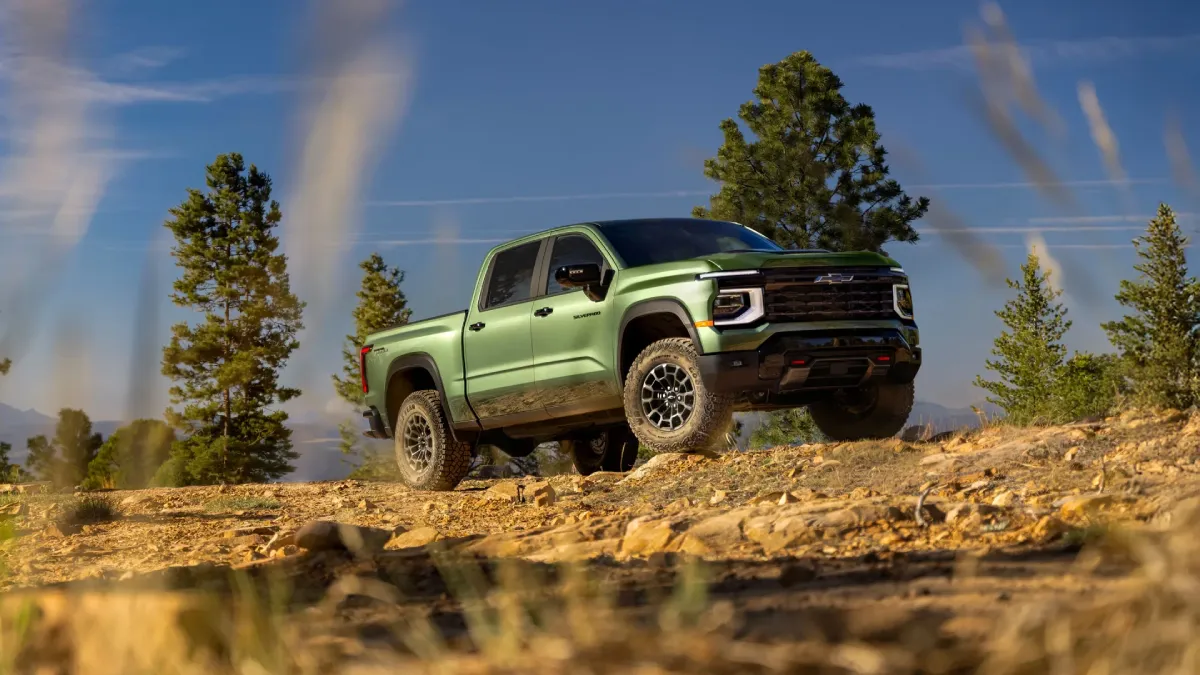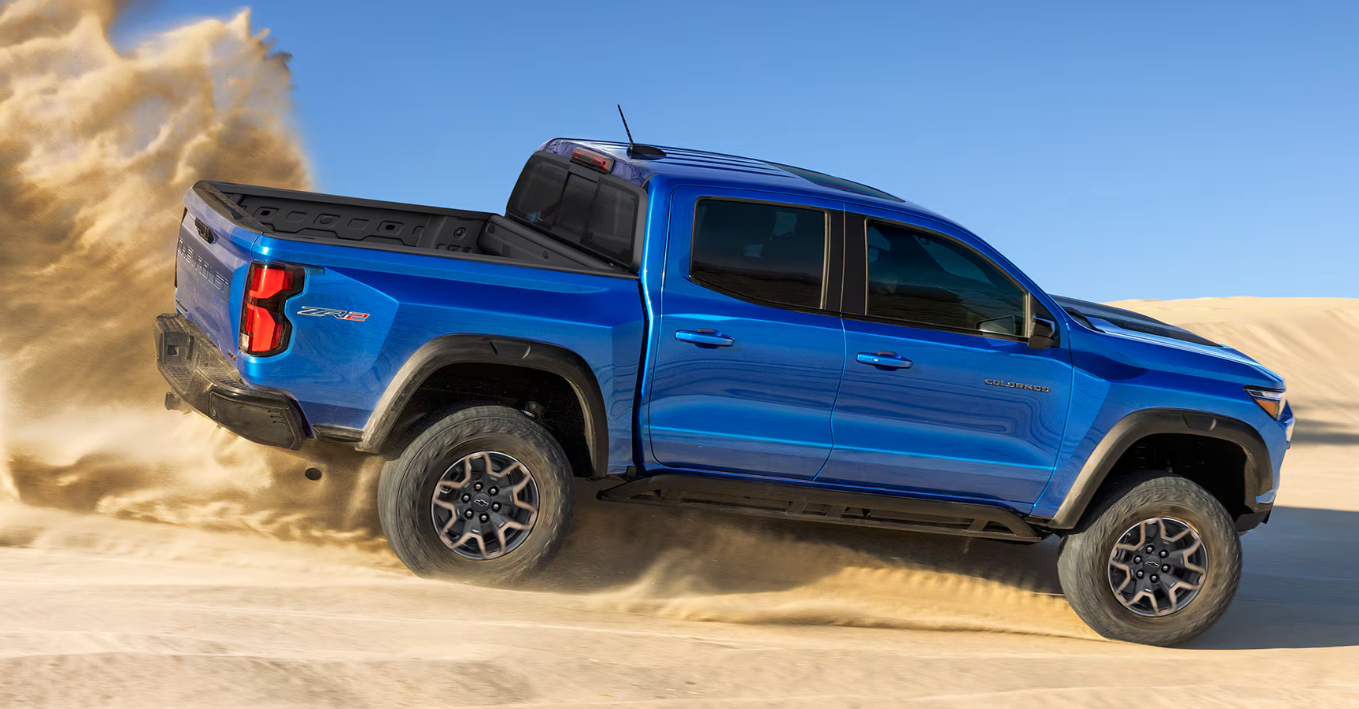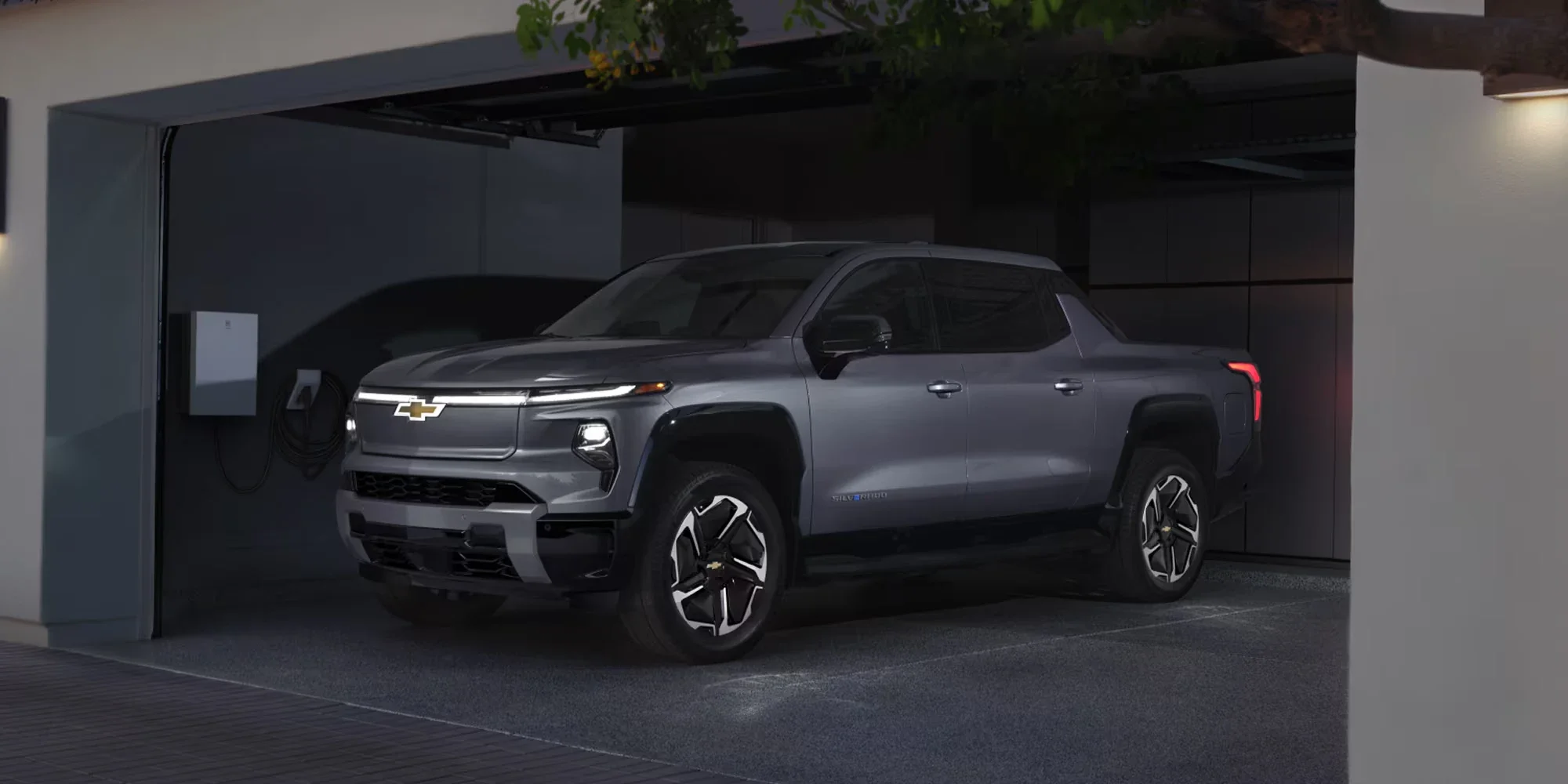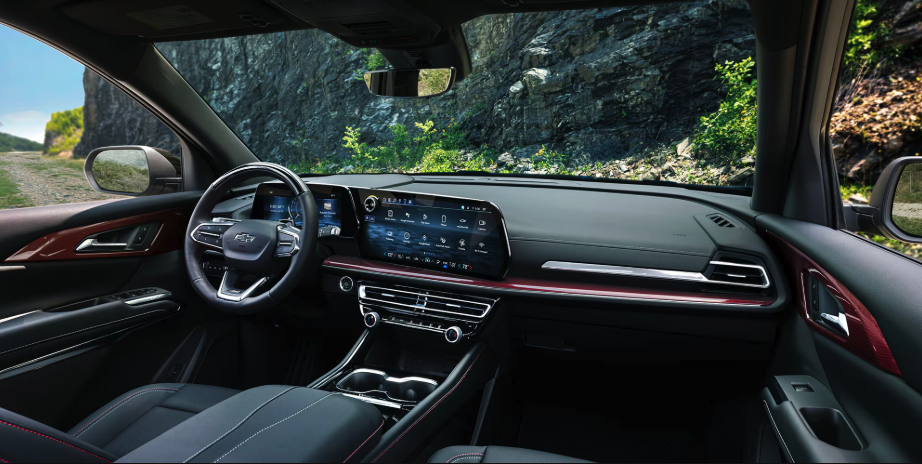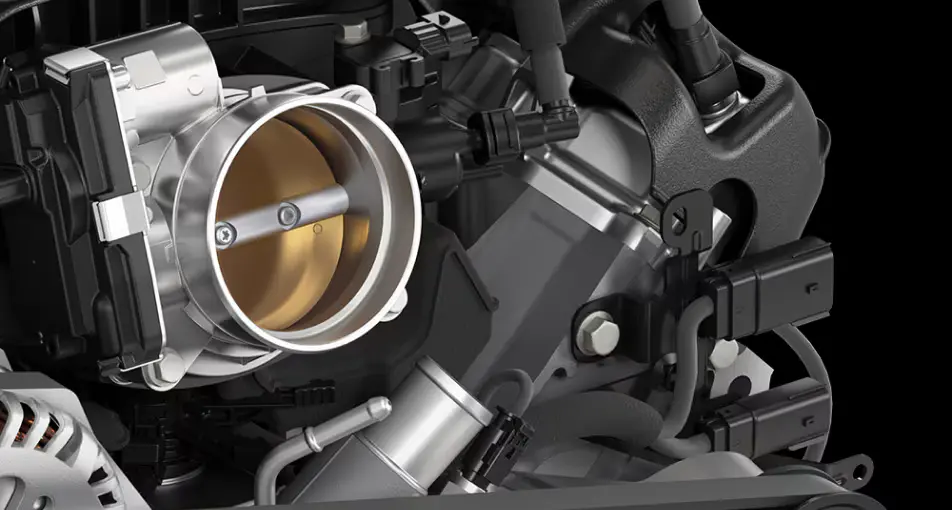





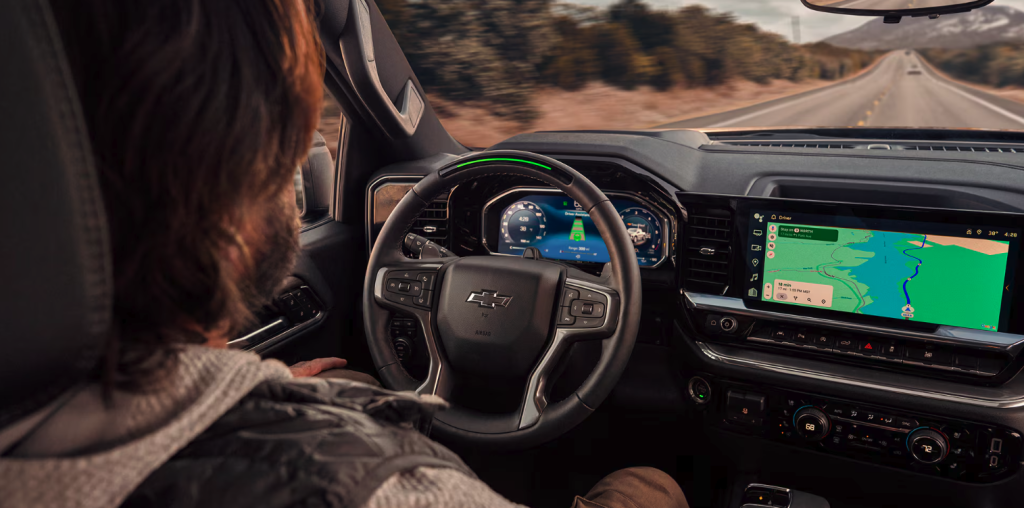
Chevrolet's redesigned 2027 Silverado 1500 brings new engines and a smaller, simplified trim lineup, but that does not automatically mean every truck buyer should wait for it. The trim count drops from nine to seven, both V8 engines have been replaced, the turbocharged four-cylinder gains 40 horsepower, and towing and payload ceilings move up modestly rather than dramatically. Dobbs Brothers Chevrolet of Bartlett is fielding this exact question from shoppers right now: buy a 2026 Silverado we can put you in today, or wait on a 2027 order with published starting MSRP and local availability to discuss with our team. If you need a truck this month for work or towing, or you have a specific configuration you have been eyeing on our lot, this comparison walks through exactly what changed, what stayed the same, and how we would think through the decision with you. 2027 vs. 2026 Silverado 1500 Buying Guide What Actually Changed From 2026 to 2027 2026 vs. 2027 Side by Side and Which One Fits You What This Means for Bartlett and Memphis-Area Buyers Financing Insight: What Waiting Actually Means for Your Payment and Trade Timing Local Dealer Insight: What We're Telling Bartlett Shoppers Right Now Key Takeaways FAQ A model-year changeover is the period when an automaker replaces an outgoing vehicle generation with a redesigned or updated one, often affecting trim structure, powertrains, technology, and pricing. It is relevant to buyers deciding whether to purchase a current-generation vehicle or wait for the next one. For Chevrolet Silverado 1500 shoppers in Bartlett and the Memphis metro, the 2026-to-2027 changeover involves new engines and a revised trim lineup rather than a full platform overhaul of every system. What Actually Changed From 2026 to 2027 We'd summarize the changeover this way: the trim lineup got simpler, the V8 engines got replaced, and the capability ceiling moved up by a modest amount rather than a dramatic one. Trim Lineup Changes, 9 Trims Down to 7 The 2026 Silverado 1500 offers nine trims: Work Truck, Custom, Custom Trail Boss, LT, RST, LT Trail Boss, LTZ, High Country, and ZR2. For 2027, Chevrolet consolidates that down to seven: Work Truck, Custom, Silverado (replacing the LT name), Custom Trail Boss, Trail Boss, High Country, and ZR2, plus a ZR2 Bison special edition above standard ZR2. RST and the separate LTZ badge do not carry over as their own 2027 trim names. If you currently have your eye on an RST or LTZ configuration specifically, we'd point out that those exact trim names go away for 2027, even though similar equipment likely lands on adjacent trims. Here's how the 2026 lineup maps to 2027: 2026 Trim 2027 Status Work Truck Carries over as Work Truck Custom Carries over as Custom LT Renamed Silverado Custom Trail Boss Carries over as Custom Trail Boss LT Trail Boss Renamed Trail Boss RST Discontinued as a separate trim name LTZ Discontinued as a separate trim name High Country Carries over as High Country ZR2 Carries over as ZR2, plus a new ZR2 Bison special edition above it Both V8 Engines Replaced, TurboMax Gets More Power This is the biggest mechanical change. The 2026 lineup's 5.3L EcoTec3 V8 (355 hp, 383 lb-ft) and 6.2L EcoTec3 V8 (420 hp, 460 lb-ft) are both retired for 2027, replaced by an all-new 5.7L V8 (402 hp, 428 lb-ft) and an all-new 6.6L V8 (481 hp, 501 lb-ft) that Chevrolet describes as the most powerful naturally aspirated V8 in its class. The 2.7L TurboMax carries over as a name but gains real power, moving from 310 hp and 430 lb-ft in 2026 to 350 hp and 455 lb-ft in 2027. The 3.0L Duramax diesel is the one engine that stays essentially unchanged, at 305 hp and 495 lb-ft in both model years. 2026 TurboMax 2.7L: 310 hp / 430 lb-ft 2027 TurboMax 2.7L: 350 hp / 455 lb-ft 2026 EcoTec3 5.3L V8 and 6.2L V8: both discontinued for 2027 2027 all-new 5.7L V8: 402 hp / 428 lb-ft 2027 all-new 6.6L V8: 481 hp / 501 lb-ft 3.0L Duramax diesel: 305 hp / 495 lb-ft, carried over largely unchanged The same comparison laid out by engine: Engine 2026 Output 2027 Output Status 2.7L TurboMax (turbo I4) 310 hp / 430 lb-ft 350 hp / 455 lb-ft Carries over, gains power 5.3L EcoTec3 V8 355 hp / 383 lb-ft Discontinued Replaced by the new 5.7L V8 6.2L EcoTec3 V8 420 hp / 460 lb-ft Discontinued Replaced by the new 6.6L V8 5.7L V8 (new for 2027) Not offered 402 hp / 428 lb-ft All-new engine 6.6L V8 (new for 2027) Not offered 481 hp / 501 lb-ft All-new engine 3.0L Duramax diesel 305 hp / 495 lb-ft 305 hp / 495 lb-ft Largely unchanged Towing and Payload Move Up, Modestly Chevrolet's own 2026 materials put max available towing at up to 13,300 pounds when properly equipped and max available payload at 2,260 pounds, both figures that depend heavily on engine, cab, and bed choice. For 2027, the ceiling moves to 13,700 pounds of towing (on the new 5.7L V8 with the Max Trailering Package on specific cab and bed combinations) and 2,340 pounds of payload (on the TurboMax). We'd call that a real but incremental gain, not a generational leap, and we'd review your specific configuration's trailering information and door-jamb payload label rather than assume the top numbers apply to every build. 2026 vs. 2027 Side by Side and Which One Fits You We tell most shoppers this decision comes down to whether you need a truck this month or can wait for the 2027 configuration you want to become available locally. 2026 Silverado 1500 vs. 2027 Silverado 1500 Feature 2026 Silverado 1500 2027 Silverado 1500 Trim Count 9 trims (WT, Custom, Custom Trail Boss, LT, RST, LT Trail Boss, LTZ, High Country, ZR2) 7 trims (WT, Custom, Silverado, Custom Trail Boss, Trail Boss, High Country, ZR2) plus ZR2 Bison Base Engine 2.7L TurboMax, 310 hp / 430 lb-ft 2.7L TurboMax, 350 hp / 455 lb-ft Available V8s 5.3L (355 hp) and 6.2L (420 hp) EcoTec3 All-new 5.7L (402 hp) and 6.6L (481 hp) Diesel 3.0L Duramax, 305 hp / 495 lb-ft 3.0L Duramax, 305 hp / 495 lb-ft (largely unchanged) Max Towing Up to 13,300 lbs (when properly equipped) Up to 13,700 lbs (5.7L V8, Double Cab Standard Bed 2WD with Max Trailering Package) Max Payload Up to 2,260 lbs Up to 2,340 lbs Standard Screens Varies by trim 16.3-inch touchscreen and 12.2-inch digital cluster standard on every trim Starting MSRP WT from $37,200 (destination and fees not included) WT from $38,600 (destination and fees not included) Available at Dobbs Brothers Bartlett Yes, on our current lot Order and early-arrival timing still finalizing Chevrolet has published starting MSRP for the 2027 lineup. The table shows the WT starting MSRP for each model year before destination and fees; contact Dobbs Brothers Chevrolet for pricing on the specific configuration you want and any current offers. Who Should Buy the 2026 Now, Who Should Wait for the 2027 We'd frame the decision around three questions: Do you need a truck this month for work, towing, or a trade-in deadline? A 2026 Silverado on our lot is a known configuration with no production ramp-up wait. Does the RST or LTZ trim name specifically matter to you, or were you drawn to features that land on other 2027 trims anyway? If it's the latter, waiting may not change much for you. Is the maximum towing gain of 400 pounds or maximum payload gain of 80 pounds enough to matter for what you actually haul? For most weekend towing and family use, the 2026 lineup's capability is still substantial; for buyers regularly pushing close to their old truck's towing limit, the 2027's ceiling may be worth the wait. Compare a 2026 on Our Lot to 2027 Order Details If you're weighing a 2026 Silverado we can show you today against ordering a 2027, we would rather walk through both options with you in person than have you guess from a spec sheet. Our sales team at Dobbs Brothers Chevrolet can pull up our current Silverado 1500 inventory so you can see exactly which 2026 trims and engines are available right now, and we can also check current 2026 Silverado offers that may apply before the changeover. Call our sales team at 901-451-6720, or stop by our showroom at 7850 US-64 in Bartlett, and we'll go through your specific towing needs, trim preferences, and timeline together. We would rather help you make the right call for your situation than assume newer is automatically better for everyone. Compare 2026 and 2027 Silverado Options What This Means for Bartlett and Memphis-Area Buyers We think the towing and payload gains matter most to contractors and regular trailer-towers, and matter least to daily commuters and light-duty truck buyers. Local Timing, Trade-In, and Towing-Use Context For Bartlett and Memphis-area contractors hauling equipment to job sites, or families towing boats to Pickwick Lake or campers along I-40, the 2027's higher payload and towing ceiling is a genuine, if modest, upgrade. For drivers using a Silverado mainly for commuting around Cordova and Germantown with occasional light towing, the 2026 lineup's existing capability already covers most weekend use, and buying now means avoiding any production ramp-up wait ahead of the 2027's announced late-2026 availability. West Tennessee's summer heat and occasional winter ice affect both model years the same way; neither generation changes how a truck handles those conditions in any way we can point to specifically. Value Your Trade Before You Decide Whether you end up buying a 2026 Silverado today or ordering a 2027, trading in your current vehicle works the same way on our end. Our finance team at Dobbs Brothers Chevrolet can value your trade now so you know your equity position before committing to either path, and we can hold that appraisal conversation alongside a GM Financial payment estimate for whichever truck you choose. Reach our team at 901-451-6720, or stop by our service department on US-64 if your current truck needs a look before you trade it in. Current incentives and GM Financial programs change month to month, so we'd confirm live numbers with you rather than quote anything here. Value Your Trade Financing Insight: What Waiting Actually Means for Your Payment and Trade Timing We'd tell you plainly that waiting for the 2027 is not free, since your current vehicle keeps depreciating and 2026 incentives may not carry forward once the changeover happens. Model-year changeovers often come with manufacturer incentives on the outgoing vehicle as dealers work through remaining inventory, but those offers are not guaranteed to continue once the 2027 is fully available, and we cannot promise what current or future GM Financial programs will look like at that point. If you are trading in a vehicle, its value generally does not improve while you wait, and a few months of additional mileage and age work against you rather than for you. That does not mean waiting is the wrong call for every buyer, but it does mean the "wait and see" option carries its own costs, not just a delay with no consequence. Local Dealer Insight: What We're Telling Bartlett Shoppers Right Now Most of the Bartlett shoppers asking us about this are less concerned with horsepower numbers and more concerned with whether their specific trim or use case is still available. Here is what we're actually hearing and telling people as of this fall: Contractors ask most often about the payload difference, since a few hundred pounds can matter for a fully loaded bed; we tell them the TurboMax's payload gain is real but modest, and to confirm their exact needs against current 2026 configurations we have on the lot. Families ask whether they should hold off on a 2026 purchase; for most commuting and moderate towing use, we don't see a strong reason to wait, since the 2026 lineup remains a fully capable truck. RST and LTZ loyalists ask what happens to those trims; we tell them those exact names are going away for 2027, so if that specific badge matters to you, a 2026 purchase now may be the only way to get it. Diesel buyers ask if the Duramax changes for 2027; based on what Chevrolet has confirmed so far, the core output figures look largely consistent, with Chevrolet listing 305 horsepower and 495 lb-ft for the 2027 Duramax. Key Takeaways The 2027 Silverado 1500 drops from nine 2026 trims to seven, with RST and LTZ not carrying over as separate trim names. Both 2026 V8 engines (5.3L and 6.2L) are replaced by all-new 5.7L and 6.6L V8s for 2027, while the TurboMax four-cylinder gains 40 horsepower and the Duramax diesel stays largely the same. Towing moves from a 2026 ceiling of 13,300 pounds up to 13,700 pounds for 2027, and payload moves from 2,260 to 2,340 pounds, both modest rather than dramatic gains. Every 2027 Silverado gets a standard 16.3-inch touchscreen and 12.2-inch digital cluster, while 2026 screen sizes vary more by trim. Chevrolet has published 2027 starting MSRP, with WT starting at $38,600 before destination and fees; our team can provide pricing and offers for your specific configuration. Our Bartlett team can compare a 2026 truck on our lot today against 2027 order details based on your specific towing needs and timeline. FAQ Will 2026 Silverado prices drop once the 2027 arrives? It's common for outgoing model-year vehicles to see manufacturer incentives increase as a changeover approaches, but we can't guarantee a specific discount or promise that current offers will continue. Our sales team can check current 2026 Silverado pricing and any active incentives when you're ready to talk numbers, so you're working from a live figure rather than an assumption. Is the 5.3L V8 gone for good? Yes, based on what Chevrolet has confirmed, the 5.3L EcoTec3 V8 is not part of the 2027 Silverado 1500 lineup. It's replaced by an all-new 5.7L V8 rated at 402 horsepower and 428 lb-ft of torque. If you specifically want a 5.3L-equipped Silverado, a 2026 model on our lot would be the way to get one. Can I order a 2027 Silverado now and trade in my current truck later? We can start that conversation with you now, though final 2027 order timing and trim-by-trim availability are still being confirmed. We'd recommend getting a trade-in valuation from our team closer to when your order is ready to finalize, since vehicle values and current market conditions can shift between now and then. Should contractors wait for the 2027's payload bump? It depends on how close you regularly run to your current truck's payload limit. The 2027 TurboMax's 2,340-pound max payload is a real gain over the 2026 lineup's 2,260-pound ceiling, but if your typical loads have comfortable margin under 2,260 pounds already, we don't see a strong reason to delay a purchase for that difference alone. We're helping Bartlett and Memphis-area truck buyers work through this exact 2026-versus-2027 decision every week, and we would rather compare your specific towing needs, trim preferences, and timeline in person than have you guess from a spec sheet. As an authorized Chevrolet dealer with current 2026 Silverado inventory on our lot at 7850 US-64 in Bartlett, we can show you what's available today, and our finance team can walk through GM Financial options for either the 2026 or a future 2027 order. Call us at 901-451-6720 to start that conversation, or stop by our showroom to see what's currently on the lot. We can also value your trade-in now, whether you decide to buy today or wait. Contact Dobbs Brothers Chevrolet
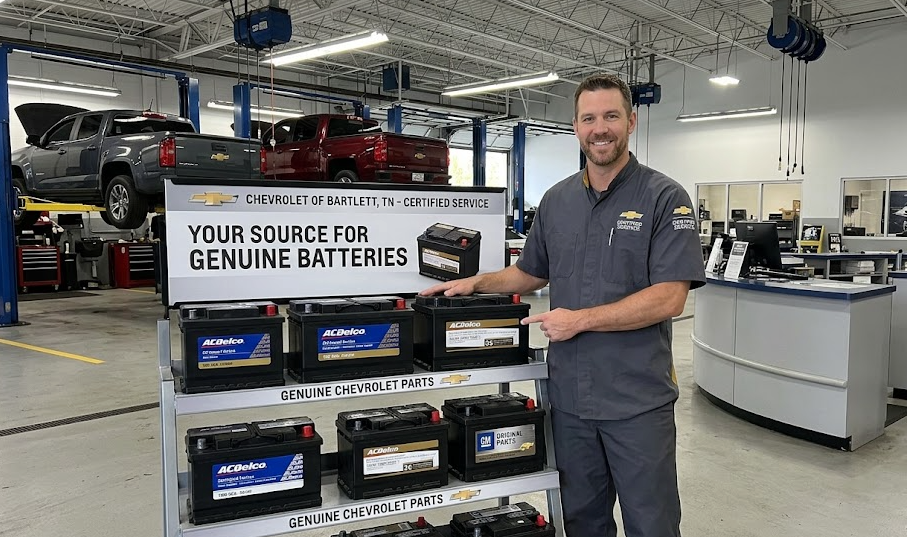
Chevy Battery Testing Before Winter: What Our Bartlett Service Team Checks
A car battery can lose about 60 percent of its strength at 0°F, at the exact moment cold-thickened engine oil demands more cranking power to start the engine. That combination is why a battery that seemed fine in October can leave you stranded on a cold morning in January. Dobbs Brothers Chevrolet of Bartlett sees this pattern every year as the weather turns, and it's rarely the cold itself that actually damages the battery. If you're a Chevy owner in Bartlett, Memphis, or anywhere across Shelby County wondering whether your battery will make it through winter, this article walks through what actually happens to a battery in cold weather, what our service team checks during a battery test, and why the West Tennessee summer you just drove through may matter more to your battery's health than the winter ahead. Chevy Battery Testing Before Winter Why Cold Weather Causes Battery Failure What Our Service Team Checks and What Gets Replaced When Bartlett and Memphis-Area Drivers Should Get Tested Contrarian Insight: It's Not Just the Cold, Memphis Summers Set It Up Regional Driving Context: When to Actually Get a Battery Test Key Takeaways FAQ A battery conductance test measures a vehicle battery's ability to deliver electrical current under load, without fully discharging it, and is used to estimate remaining battery life and starting capability. It is commonly performed during routine vehicle maintenance or when a driver reports slow starting. For Chevrolet owners across Bartlett and the Memphis metro, it identifies a weakening battery before it fails during a cold-weather cranking demand. Why Cold Weather Causes Battery Failure We'd put it this way: cold weather doesn't usually create a battery problem, it exposes one that was already there. The Chemistry, Reduced Power Output Plus Higher Cranking Demand A lead-acid battery generates power through a chemical reaction, and that reaction slows down as temperatures drop, the same way most chemical reactions do. The practical result is a battery that can lose about 60 percent of its available strength at 0°F. At the same time, cold weather thickens engine oil, which means the starter needs more electrical current to turn the engine over than it would on a warm day. A battery that was already running at reduced capacity, combined with an engine that suddenly needs more power to start, is exactly the scenario that produces a no-start on a cold morning. Warning Signs Your Battery Is Already Weak Chevrolet's own guidance points to a few specific signs that a battery needs attention regardless of the season: A cracked, leaking, swollen, or bloated battery case, which indicates the battery should be replaced rather than tested further Slower-than-normal engine cranking, even in mild weather Corrosion building up around the battery terminals A battery that is already 3 to 5 years old, since that's the typical service life Chevrolet cites, depending on driving habits and climate If any of these apply to your Chevy, we'd rather have our service team look at it now than have you find out on a 28-degree morning in December. Here's how we'd read each of those warning signs: Warning Sign What It Usually Indicates What We Recommend Cracked, leaking, swollen, or bloated case Internal damage that testing alone won't fix Replacement, not further testing Slower-than-normal cranking in mild weather Reduced capacity even without cold stress Conductance test as soon as possible Corrosion around the terminals Connection interference that can mimic a weak battery Terminal cleaning and inspection, then retest Battery is 3 to 5 years old or older Approaching or past typical service life Proactive conductance test before winter If you're seeing more than one of these at once, that combination is usually a stronger signal than any single sign on its own. What Our Service Team Checks and What Gets Replaced We test for the ability to deliver power under load, not just whether the battery shows a charge. Conductance Testing, Terminal Inspection, and Case Condition During a battery check at our service department, our technicians perform a conductance test, which measures how well the battery can deliver current under load rather than simply checking its resting voltage. We also inspect the battery case for cracks, leaks, or swelling, and check the terminals for corrosion that can interfere with a clean electrical connection even when the battery itself is otherwise healthy. This combination catches most of the failure modes that show up as a no-start, rather than relying on age alone to decide whether a battery needs replacing. AC Delco Replacement and CCA vs. Reserve Capacity When a battery does need replacing, we stock AC Delco batteries built to Chevrolet's specifications. AC Delco's own guidance emphasizes finding the right balance between cold cranking amps (CCA), which measures starting power in cold conditions, and reserve capacity (RC), which measures how long a battery can run essential systems if the alternator stops charging. Reserve capacity matters more than it used to, since modern vehicles run more onboard electronics that draw power even when the engine isn't providing a charge. Our parts counter can walk you through which AC Delco battery matches your specific Chevy model and its current warranty terms, since those terms can change and we'd rather confirm them for your exact battery than quote something that may no longer apply. Here's what each part of a battery check actually tells us: What We Check What It Tells Us Conductance test How well the battery delivers current under load, not just resting voltage Terminal inspection Whether corrosion is interfering with a clean electrical connection Case condition Whether cracking, leaking, or swelling means the battery needs replacing outright Cold cranking amps (CCA) rating Starting power available in cold conditions Reserve capacity (RC) rating How long the battery can run essential systems if the alternator stops charging Schedule a Battery Test With Our Service Team If you'd rather know now than find out on a cold morning, our service department at Dobbs Brothers Chevrolet can run a full battery test as part of a scheduled visit or alongside other maintenance you already have planned. We can check your battery's conductance, inspect the terminals and case, and tell you honestly whether it's holding up or heading toward replacement. Call our service department at 901-382-5644, or schedule a battery check online at a time that works for you. We would rather spend fifteen minutes confirming your battery is solid than have you deal with a no-start call from a parking lot. Schedule a Battery Check When Bartlett and Memphis-Area Drivers Should Get Tested We think the best time to test a battery in this area is right after summer, not right before the first freeze. Local Timing and Driving-Condition Context West Tennessee summers put real stress on a car battery, and Chevrolet's own guidance points to warmer climates accelerating battery wear through a process called sulfation, which is separate from whatever cold weather does later. Bartlett and Memphis drivers who spend months in high heat and humidity, then face an occasional hard freeze or ice event in December or January, are effectively asking a battery to survive both ends of that stress in the same year. That's part of why we'd rather test batteries in early fall, once the worst of the heat has passed, instead of waiting until a cold snap is already in the forecast. Ask Our Parts Counter About AC Delco Replacement If your battery test shows it's time for a new battery, our parts counter can help you get the right AC Delco battery for your specific Chevy model rather than a generic replacement. We carry AC Delco batteries built to Chevrolet's cold cranking amps and reserve capacity specifications, and we can also handle the installation at our service department on US-64 so you're not doing it yourself in a parking lot. Reach our parts counter at 901-382-5644, or stop by 7850 US-64 in Bartlett to see what's currently in stock for your model. Current pricing and warranty terms can vary by battery type, so we'd confirm those with you directly rather than quote a number here. Request Battery Parts Contrarian Insight: It's Not Just the Cold, Memphis Summers Set It Up We'd push back on the common assumption that winter is when battery damage actually happens. Most battery advice treats cold weather as the villain, but Chevrolet's own guidance says warmer climates cause more underlying battery damage, through a process called sulfation, than cold weather does. Cold weather is usually just the moment a battery that was already weakened by months of West Tennessee heat finally fails to deliver enough power. That distinction matters for when you actually get tested. If you wait until the first cold snap to think about your battery, you're reacting to the symptom rather than the cause, since the real damage from a Memphis summer already happened months earlier. We'd rather Bartlett-area drivers think of battery testing as a fall maintenance item that follows summer, the way you'd check tire pressure after a big temperature swing, rather than a purely winter concern. Regional Driving Context: When to Actually Get a Battery Test We'd recommend building a battery check into your fall routine rather than waiting for a warning light or a slow start. Here's how we'd time it for Bartlett, Cordova, Germantown, and the rest of the Memphis metro: Early fall, after the peak of summer heat, is the best window to catch sulfation damage before it turns into a cold-weather failure Any time your battery is 3 years or older, since that's within Chevrolet's typical 3 to 5 year service life range and testing costs far less than a tow Before a long highway trip, whether that's toward Nashville, down to the Gulf Coast, or across into Arkansas or DeSoto County, Mississippi Immediately if you notice slow cranking, dashboard warning lights, or visible corrosion on the terminals, regardless of season Situation Why It Matters Early fall, after peak summer heat Catches sulfation damage from summer heat before it becomes a cold-weather failure Battery is 3 years old or older Falls within Chevrolet's typical 3 to 5 year service life range Before a long highway trip Reduces the chance of being stranded far from home Slow cranking, warning lights, or visible corrosion These symptoms call for testing regardless of season Key Takeaways Car batteries can lose about 60 percent of their strength at 0°F, while cold-thickened oil simultaneously increases the power needed to start the engine. Chevrolet's own guidance points to warmer climates, not cold weather, as the bigger driver of underlying battery damage through sulfation. Our service team performs a conductance test, checks the battery case for cracks or swelling, and inspects terminals for corrosion during a battery check. Chevrolet batteries typically last 3 to 5 years depending on driving habits and climate, and AC Delco balances cold cranking amps with reserve capacity rather than maximizing CCA alone. For Bartlett and Memphis-area drivers, early fall is a better time to test a battery than right before the first freeze, since it catches summer heat damage before winter exposes it. Our parts counter stocks AC Delco batteries built to Chevrolet's specifications and can confirm current pricing and warranty terms for your exact model. FAQ Can I charge a frozen car battery? No. Chevrolet's own guidance specifically warns against attempting to charge a frozen battery, since doing so may cause the battery to explode. If you suspect your battery has frozen, which typically only happens to a battery that was already significantly discharged, we'd recommend having it inspected by our service team rather than attempting to charge or jump-start it yourself. How long do car batteries typically last? Chevrolet's guidance cites a typical service life of 3 to 5 years, though the exact number depends heavily on driving habits and climate. In our experience serving Bartlett and Memphis-area drivers, batteries that spend significant time in summer heat may show wear on the earlier end of that range, which is part of why we recommend testing rather than assuming a battery is fine just because it hasn't failed yet. Is a free battery check actually useful? Yes, when it includes an actual conductance test rather than just a voltage reading. A conductance test measures how well your battery delivers power under load, which is a much better predictor of whether it will start your car on a cold morning than checking whether it shows a charge while sitting still. Our service team performs this type of test as part of a battery check at our Bartlett location. Should I replace my battery every few years even if it still works? Not automatically, but we'd recommend testing rather than waiting for it to fail outright. A battery within Chevrolet's typical 3 to 5 year range can still test as healthy, and replacing a battery that's still performing well isn't necessary. Testing tells you where your specific battery actually stands instead of guessing based on age alone. We test batteries for Bartlett, Memphis, Cordova, and Shelby County drivers every week, and we'd rather catch a weakening battery in October than have you deal with a no-start in January. As a Chevrolet Certified Service department stocking AC Delco batteries built to Chevrolet's specifications, we can run a full conductance test, inspect your terminals and case, and give you an honest read on where your battery stands. Stop by our service department at 7850 US-64 in Bartlett, or call us at 901-382-5644 to schedule a battery check. We can also confirm current AC Delco pricing and warranty terms if a replacement turns out to be the right call. Schedule Battery Service