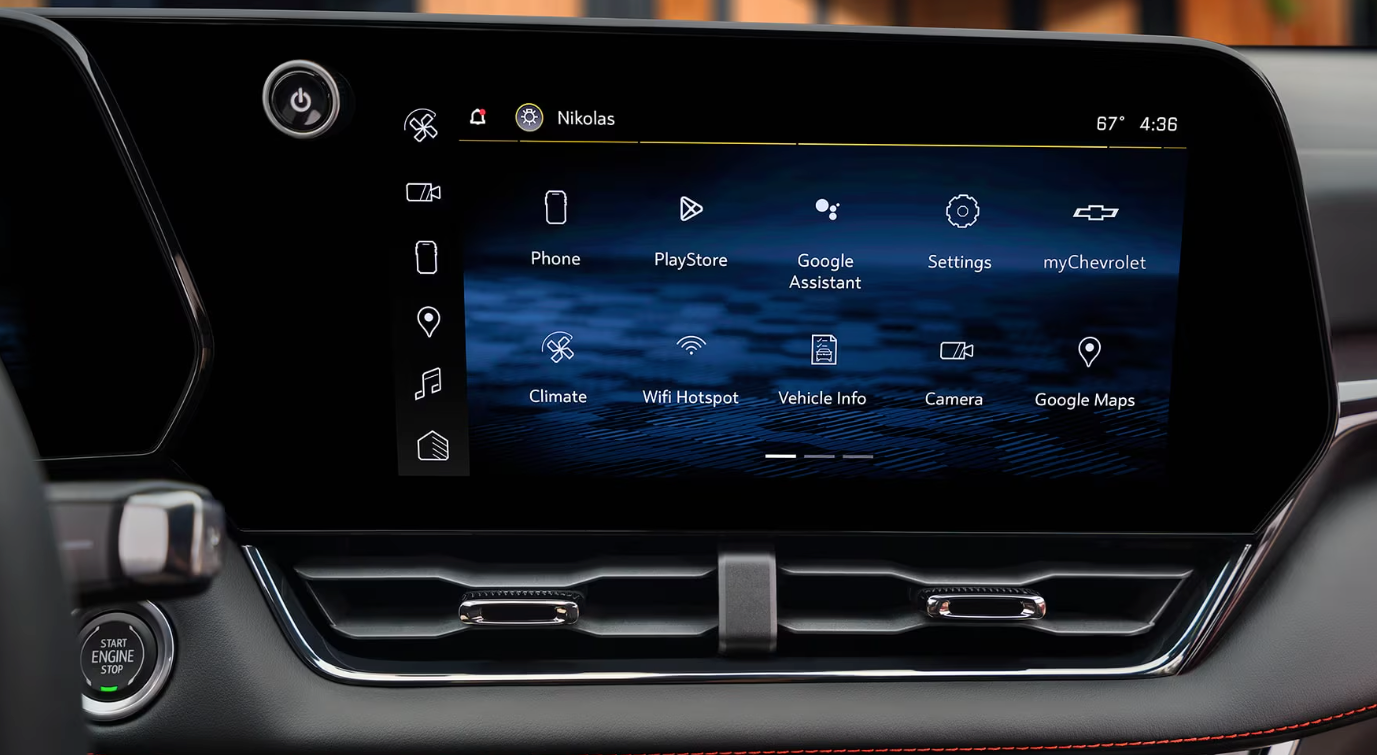





Blog / Bartlett, TN Chevrolet Service

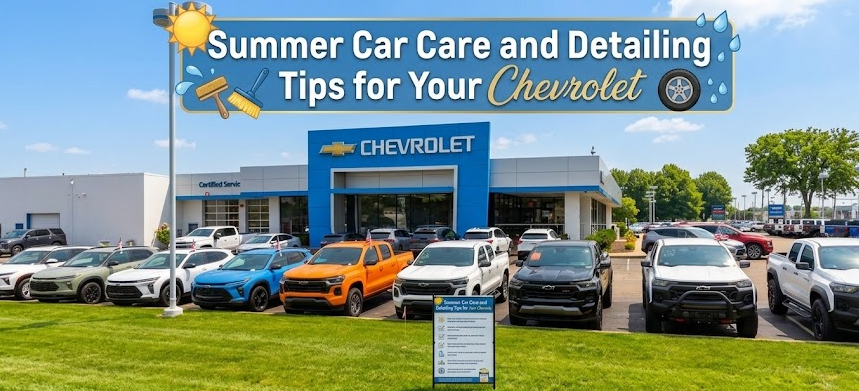
Summer Car Care and Detailing Tips for Your Chevrolet in Bartlett TN

Summer Car Care and Detailing Tips for Your Chevrolet
Summer Car Care for Your Chevy | Dobbs Brothers Chevy

Summer Car Care and Detailing Tips for Your Chevrolet in Bartlett TN

If you want summer car care tips for your Chevrolet in Bartlett TN, start with the systems heat affects most: air conditioning, battery health, tires, brakes, oil life, coolant, wipers, cabin air filter, paint protection, and interior sun protection. Tennessee summer driving can mean hot pavement, heavy humidity, sudden storms, Memphis-area traffic, and long I-40 road trips, so we recommend a service check before the season gets demanding. At Dobbs Brothers Chevrolet, we often advise a Bartlett family preparing a Traverse or Tahoe for summer travel to schedule a Multi-Point Vehicle Inspection, confirm AC performance, check tire condition, and handle wipers before the first long drive.

Summer maintenance is not only about avoiding a breakdown. It is about keeping your Chevrolet comfortable, safe, clean, and predictable when the weather works against the vehicle. Heat can raise tire pressure, expose weak batteries, make AC concerns more obvious, and add stress to cooling systems during slow traffic. Storm-season rain can turn worn wiper blades or weak tires into a visibility and control problem. Dust, bugs, sap, pollen, road film, and sun exposure can also wear on paint, wheels, trim, leather, cloth, and plastics if the vehicle goes weeks without care.

This guide gives Chevrolet owners in Bartlett, Memphis, Germantown, Collierville, Arlington, and Lakeland a practical summer maintenance and detailing plan. We break down what matters most, what you can check at home, when our service center should inspect the vehicle, and how to prepare your car, truck, SUV, or EV for summer driving around West Tennessee.

Definition: Summer car care for Chevrolet vehicles is preventive maintenance and detailing that helps protect tires, batteries, brakes, fluids, air conditioning, paint, interior surfaces, and visibility during heat, humidity, storms, and road trips. For Bartlett-area drivers, it helps improve comfort, reliability, and seasonal readiness.

Summer Maintenance Checks That Matter Most for Chevrolet Vehicles

Key Takeaway: The best summer maintenance plan starts with tires, brakes, battery, fluids, AC performance, wipers, and visibility because heat and storms make small issues become larger problems quickly.

Tires, Brakes, Battery, and Fluids Before Tennessee Heat Peaks

Summer heat changes the way your Chevrolet feels and performs. Tires run on hot pavement, pressure can change with temperature, batteries work harder under high electrical demand, and brakes may face heavier loads during traffic, towing, and family travel. Our first recommendation is a full summer readiness check that includes tire tread, tire pressure, brake condition, battery test, oil life, coolant level, visible leaks, belts, hoses, and exterior lighting.

For a Memphis commuter who sits in stop-and-go traffic on hot afternoons, a weak battery or underperforming cooling system can become obvious fast. For a Bartlett driver heading out on I-40 with family and luggage, worn tires or weak brakes can turn a normal trip into a stressful one. Chevrolet Certified Service supports maintenance with factory-trained technicians, Chevrolet-specific diagnostics, and genuine GM parts when replacement parts are needed.

Based on what our service team sees during summer, the most important checks are the ones tied to heat, traction, stopping power, and comfort. We recommend a Multi-Point Vehicle Inspection before long trips because it gives us a structured way to look for tire wear, brake concerns, fluid issues, battery weakness, and other problems that may not be obvious from the driver seat.

  • Check tire pressure and tread before long summer trips.
  • Schedule a brake inspection if you hear grinding, squealing, or feel vibration.
  • Test the battery if the vehicle cranks slowly or warning lights appear.
  • Review oil life, coolant level, and visible leaks before towing or road travel.
  • Replace worn wipers before storm-season rain makes visibility worse.
SystemWhy It Matters in SummerWhat to CheckRecommended ActionBest For
TiresHot pavement and road trips increase tire stressPressure, tread, uneven wear, sidewall conditionInspect before long drives and rotate when dueCommuters, families, towing owners
BrakesHeat, traffic, and towing can increase wearNoise, vibration, pedal feel, pad conditionSchedule inspection if symptoms appearMemphis drivers and truck owners
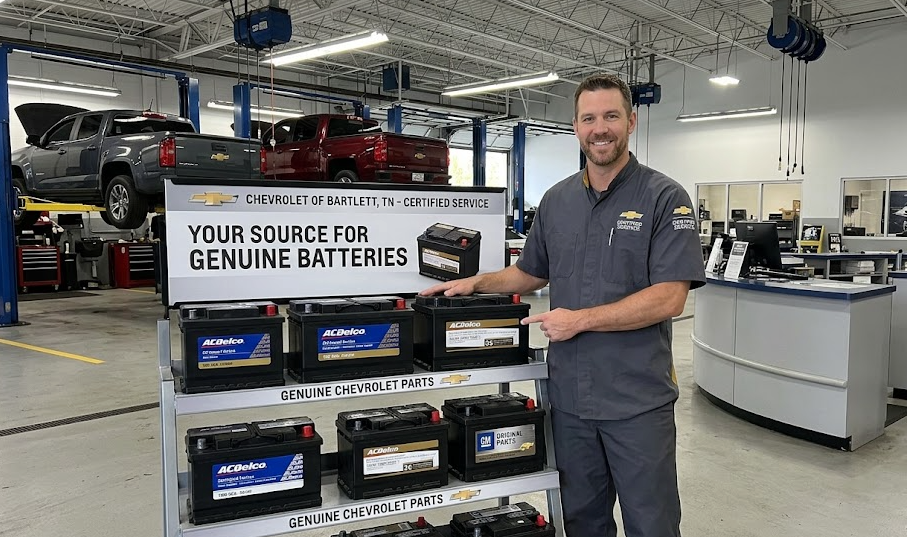
BatteryHigh heat can expose weak battery performanceSlow starts, corrosion, warning lightsRequest battery testing before travelDaily drivers and family vehicles
FluidsCooling and lubrication matter more under heatOil life, coolant, washer fluid, visible leaksHandle needed service before a tripRoad-trip families and towing drivers
WipersSummer storms can reduce visibility quicklyStreaking, cracking, skippingReplace worn blades before storm seasonAll West Tennessee drivers
LightsStorms and evening travel require visibilityHeadlights, brake lights, turn signalsReplace failed bulbs or inspect warning lightsCommuters and travelers

Based on Chevrolet Certified Service guidance where applicable.

AC Performance, Cabin Air Filters, Wipers, and Visibility

Air conditioning is one of the first systems drivers notice when Tennessee heat arrives. A Chevrolet that cools slowly, has weak airflow, makes unusual vent noises, or produces odors from the vents may need attention before a long drive. We recommend checking AC performance before the hottest part of summer because cabin comfort affects driver focus, passenger comfort, and family travel.

For a Germantown parent driving between school activities, sports practices, grocery stops, and summer camps, weak AC becomes a daily frustration. A clogged or dirty cabin air filter can also affect airflow and cabin comfort. Wipers matter just as much because summer storms around West Tennessee can roll in quickly. If the blades chatter, streak, split, or leave water across the windshield, they should be replaced before rain becomes a visibility issue.

Our service team can inspect AC concerns, evaluate cabin air filter condition, check wipers, and look for related issues during a summer service visit. We recommend pairing comfort checks with safety checks, because the best summer prep handles both.

Gas, Diesel, Truck, SUV, and EV Summer Care Differences

Summer care changes depending on what Chevrolet you drive. A Silverado 1500 or Silverado HD used for towing should get extra attention around tires, brakes, cooling, trailer wiring, and fluid condition. A Tahoe or Traverse used for family road trips should be checked for AC performance, tire tread, wipers, battery strength, and cargo-ready condition. An Equinox or Blazer used for daily commuting may need the same basic checks, but the timeline often depends on mileage, warning lights, and how the vehicle feels in traffic.

For a Collierville truck owner towing in heat, we recommend checking brakes, tires, coolant, oil life, and trailer-related systems before a loaded trip. For an Arlington EV owner, Chevrolet says EVs have fewer moving parts than gas-powered vehicles, but they still require regular maintenance and attention to EV-specific components. We recommend EV tire rotation when due, Multi-Point Vehicle Inspection, battery-care awareness, software update review, and charging habit review before long summer drives.

The main rule is simple: match the service to the vehicle’s job. A Colorado used for weekend gear, a Silverado used for towing, and an Equinox EV used for commuting do not face identical summer demands.

Detailing, Paint Protection, Interior Care, and Road-Trip Prep

Key Takeaway: Summer detailing protects more than appearance because clean paint, clear glass, protected interior surfaces, and road-trip organization help your Chevrolet stay comfortable and easier to maintain.

Summer Detailing Checklist for Paint, Glass, Wheels, and Interior Surfaces

Detailing is often treated like cosmetic care, but in summer it also protects materials from sun, heat, bugs, pollen, road grime, brake dust, and storm residue. We recommend regular washing, quick removal of bug buildup, glass cleaning, wheel cleaning, interior vacuuming, dash protection, seat care, and cargo-area cleanup. If you park outside in Bartlett heat, a sunshade and interior wipe-down routine can reduce surface wear and make the cabin more comfortable.

Care AreaAt-Home ActionService or Parts SupportWhy It MattersBest For
PaintWash regularly and remove bugs quicklyAsk about proper cleaning productsHeat can bake grime onto surfacesAll Chevrolet owners
GlassClean windshield and mirrorsReplace worn wipersRain and glare affect visibilityCommuters and travelers
WheelsRemove brake dust and road filmInspect tires during serviceWheel and tire condition affects safetySUV and truck owners
InteriorVacuum, wipe dust, and protect surfacesReplace cabin air filter when neededHeat and UV can dry materialsFamilies and daily drivers
Cargo AreaRemove clutter and clean spillsAsk about genuine accessoriesRoad trips need clean, usable spaceTahoe, Traverse, Equinox owners
Road-Trip KitPack water, flashlight, charger, towel, basic suppliesService inspection before travelPreparation helps during delaysFamilies and weekend travelers

Based on Chevrolet official website and Certified Service guidance where applicable.

Our recommendation is to handle simple cleaning and organization at home, then let our service center inspect systems that affect safety, comfort, and reliability. Paint, glass, and interior care protect the vehicle you see every day. Tires, brakes, battery, AC, and fluids protect the trip you are about to take.

Which Summer Care Plan Fits Specific Driver Profiles?

Summer service should match how the Chevrolet is used. A student driver, a towing owner, an EV commuter, and a family road-tripper do not need the exact same prep.

  • If you are a Bartlett family taking a Tahoe or Traverse on I-40, we recommend a Multi-Point Vehicle Inspection, tire check, AC check, wiper review, and brake inspection because passengers and cargo add real summer demand.
  • If you are a Memphis commuter in stop-and-go heat, we recommend battery testing, AC performance review, tire pressure checks, and brake inspection because heat and traffic expose weak points quickly.
  • If you are a Collierville truck owner towing or hauling, we recommend tire, brake, coolant, oil life, and trailer-related checks because loaded summer driving adds stress.
  • If you are an Arlington EV owner, we recommend tire rotation when due, battery-care awareness, software update review, and Multi-Point Vehicle Inspection because EVs still need regular attention.
  • If you are a Lakeland weekend traveler, we recommend wipers, tires, AC, battery, and emergency supplies because long drives are easier when the basics are handled first.

For Chevrolet owners near Bartlett, the right summer service plan depends on mileage, vehicle type, trip plans, and heat exposure. We recommend using your busiest summer week as the standard. If your vehicle can handle that week comfortably, it is much more likely to handle ordinary errands, school routes, commutes, and weekend drives.

When you bring your Chevrolet to us for summer service, we can help you focus on the items that match your driving routine instead of guessing. We can inspect tires, brakes, battery condition, wipers, AC concerns, filters, and fluid-related items before a road trip or after the heat starts affecting comfort. We can also help you review service specials, genuine GM parts, and GM Rewards opportunities when eligible. Start with service scheduling at https://www.dobbsbrotherschevy.com/serviceappmt.aspx or call our service team at 901-382-5644. We will help you prepare your Chevrolet for summer driving around Bartlett, Memphis, Germantown, Collierville, Arlington, and Lakeland.

Local Summer Driving Conditions Around Bartlett and Memphis

Key Takeaway: West Tennessee summer driving combines heat, traffic, rain, and road trips, so Chevrolet owners should prepare for comfort, visibility, traction, and reliability at the same time.

Heat, Humidity, Storms, Traffic, and I-40 Travel

Bartlett-area drivers know summer can shift quickly from dry heat to heavy rain. Hwy 64 errands can heat-soak a vehicle during short stops. Memphis traffic can keep the AC, cooling system, and battery working hard. I-40 travel can expose tire, alignment, brake, and wiper issues faster than neighborhood driving. Storm-season weather can also make visibility and tire tread more important than owners expect.

For a Germantown parent, AC comfort and cabin air quality may matter most during daily family driving. For a Collierville truck owner, towing in heat puts more attention on tires, brakes, fluids, and cooling. For an Arlington or Lakeland weekend traveler, we recommend a road-trip inspection before packing the vehicle because longer drives reveal problems that short errands can hide.

Local ConditionVehicle StressRecommended CareBest For
Hwy 64 errandsHeat soak from short stopsBattery, AC, tire pressure checksBartlett daily drivers
Memphis trafficStop-and-go heat and brake useBrake inspection, cooling check, AC reviewCommuters
Germantown family routesCabin comfort and frequent short tripsCabin air filter, AC, wipersParents and school drivers
Collierville towingLoad, heat, brake wear, tire stressTruck-focused inspectionSilverado and Colorado owners
Arlington weekend travelLonger drives and gear weightTires, brakes, battery, wipersOutdoor drivers
Lakeland road tripsPassenger comfort and cargo loadPre-trip inspection and detailingFamilies and SUV owners

Based on Chevrolet Certified Service guidance where applicable.

For West Tennessee drivers, summer car care is not one single service. It is a seasonal readiness check built around heat, storms, traffic, and travel. We recommend preparing tires, brakes, battery, AC, wipers, and fluids together because those systems support the same goal: keeping your Chevrolet safe, comfortable, and ready when summer driving gets demanding.

Our parts and service team can also help with seasonal items that make summer ownership easier. We can help with wiper blades, cabin air filters, batteries, tires, floor mats, cargo protection, and genuine GM accessories that fit your Chevrolet properly. If you drive from Bartlett, Memphis, Germantown, Collierville, Arlington, or Lakeland, we can help you prepare your vehicle for heat, rain, and road trips while reviewing GM Rewards where eligible. Visit https://www.dobbsbrotherschevy.com/parts.aspx for parts support or schedule service at https://www.dobbsbrotherschevy.com/serviceappmt.aspx. You can also call us at 901-382-5644 and tell us what kind of summer driving you are planning.

What You Can Handle at Home Before Scheduling Service

Key Takeaway: At-home summer care should focus on simple visibility, cleanliness, organization, and warning-sign checks, while mechanical concerns should be handled by trained Chevrolet service technicians.

There are several helpful things Chevrolet owners can do at home before scheduling service. Wash the exterior, remove bugs, clean glass, vacuum the cabin, empty unnecessary cargo, check that lights work, look for obvious tire damage, and confirm wipers are not cracked or streaking. A sunshade can help reduce cabin heat when the vehicle sits outside, and a clean cargo area makes road-trip packing easier.

For a Bartlett student driver preparing for summer classes, work, or weekend travel, this simple routine can catch small issues early. We recommend checking for warning lights, unusual smells, slow starts, weak AC, low washer fluid, and unusual tire wear. Owners should also review their vehicle information center, myChevrolet app where available, and owner’s manual guidance for maintenance reminders.

At-home checks are useful, but they do not replace professional inspection. If anything feels off, sounds different, smells unusual, or triggers a warning light, we recommend scheduling service before a long trip.

When Summer Heat Means Your Chevrolet Needs Professional Attention

Key Takeaway: Weak AC, slow starts, brake noise, tire vibration, warning lights, overheating messages, and unusual odors are signs that summer heat may already be exposing a service need.

Some summer warning signs should not wait. If the AC cannot cool the cabin, the vehicle starts slowly, the brakes make noise, the steering wheel vibrates, the vehicle pulls, a tire looks damaged, or a warning light appears, schedule service before the next long drive. Heat tends to make small concerns more noticeable, especially when the vehicle is loaded with passengers, luggage, tools, or towing equipment.

  • Weak AC or poor airflow can point to a comfort or cabin airflow concern.
  • Slow starting can point to a weak battery or charging concern.
  • Brake noise or vibration can point to wear that needs inspection.
  • Pulling, shaking, or uneven tire wear can point to tire, alignment, or suspension concerns.
  • Overheating warnings, fluid smells, or visible leaks should be checked promptly.
Warning SignPossible Area to InspectWhy It Matters in SummerRecommended Action
Cabin does not cool wellAC system, cabin air filter, airflowHeat makes comfort and driver focus worseSchedule AC performance review
Slow engine startBattery and charging systemHeat can expose weak battery performanceRequest battery testing
Brake squeal or vibrationBrake pads, rotors, hydraulic systemTraffic and towing add braking demandSchedule brake inspection
Steering vibrationTires, wheels, alignment, suspensionHighway travel can magnify vibrationSchedule tire and suspension inspection
Overheating warningCooling systemSummer heat raises system demandStop safely and schedule service
Streaking wipersWiper blades and washer fluidStorm visibility can change quicklyReplace wipers before heavy rain

For a Memphis commuter or Collierville family preparing for summer travel, these symptoms are not just annoyances. They are early warnings that the vehicle needs attention before heat, traffic, or road distance makes the issue worse. We recommend scheduling Certified Service early so summer plans do not depend on a vehicle that is already giving warning signs.

Key Takeaways

  • Summer Chevrolet care should focus on AC, battery, tires, brakes, fluids, wipers, and visibility.
  • A Multi-Point Vehicle Inspection can help catch concerns before long summer drives.
  • Detailing protects paint, glass, wheels, interior surfaces, and cargo areas from heat and grime.
  • Truck, SUV, gas, diesel, and EV owners should match summer care to how the vehicle is used.
  • Weak AC, slow starts, brake noise, vibration, warning lights, and leaks deserve professional attention.

Summer Car Care FAQs for Chevrolet Owners in Bartlett TN

What summer maintenance does my Chevrolet need?

For summer driving near Bartlett TN, we recommend checking your Chevrolet tires, battery, brakes, oil life, coolant level, wiper blades, air conditioning performance, cabin air filter, and exterior lighting before heat-heavy driving or a long trip. A Chevrolet Certified Service Multi-Point Vehicle Inspection can help identify wear, leaks, weak batteries, tire concerns, and other issues before summer travel adds extra stress. For families driving a Traverse, Tahoe, Equinox, or Silverado on I-40, this check is especially useful before loading the vehicle with passengers and cargo.

Should I check my Chevy battery before summer travel?

We recommend a battery check before summer travel because Tennessee heat can expose a weak battery quickly, especially in stop-and-go traffic, short trips, or vehicles with high accessory use. If your Chevrolet starts slowly, warning lights appear, or the battery is older, scheduling a battery test before a road trip is a smart step. This is especially important for Bartlett and Memphis commuters because repeated short drives and high cabin-cooling demand can make battery problems show up at inconvenient times.

How do I protect my Chevrolet paint and interior from Tennessee sun?

We recommend washing your Chevrolet regularly, removing bugs and road grime quickly, using an automotive paint protectant or wax, cleaning wheels, vacuuming interior surfaces, and using sunshades or seat protection when the SUV or truck sits in direct sun. Summer detailing helps reduce UV wear, interior fading, dirt buildup, and exterior contamination from heat, storms, and road trips. For families with kids, pets, sports gear, or beach bags, keeping the cargo area clean also helps prevent odors and stains.

When should I schedule AC service before a road trip?

We recommend scheduling AC service before a road trip if your Chevrolet cabin takes too long to cool, airflow feels weak, odors come from the vents, unusual noises appear, or passengers stay uncomfortable even after several minutes of driving. A pre-trip service visit can also include tires, brakes, battery, wipers, and fluid checks. For Lakeland, Arlington, and Collierville families planning summer travel, handling AC concerns before departure is much easier than dealing with weak cooling on the road.

We are here to help your Chevrolet handle summer heat, storms, traffic, and road trips with more confidence. Visit us at Dobbs Brothers Chevrolet, 7850 HWY 64, Bartlett, TN 38133, and our service team can help with inspections, oil changes, tires, batteries, brakes, wipers, AC concerns, cabin filters, and genuine GM parts. We work with drivers from Bartlett, Memphis, Germantown, Collierville, Arlington, and Lakeland who depend on their Chevrolet vehicles for family trips, commuting, towing, errands, and daily comfort. We can also help you review GM Rewards where eligible. Call us at 901-382-5644 or schedule service online before summer driving gets harder on your vehicle.
Posted in:

Related Posts

Silverado EV Home Charging Guide for Bartlett

Silverado EV Home Charging Guide for Bartlett

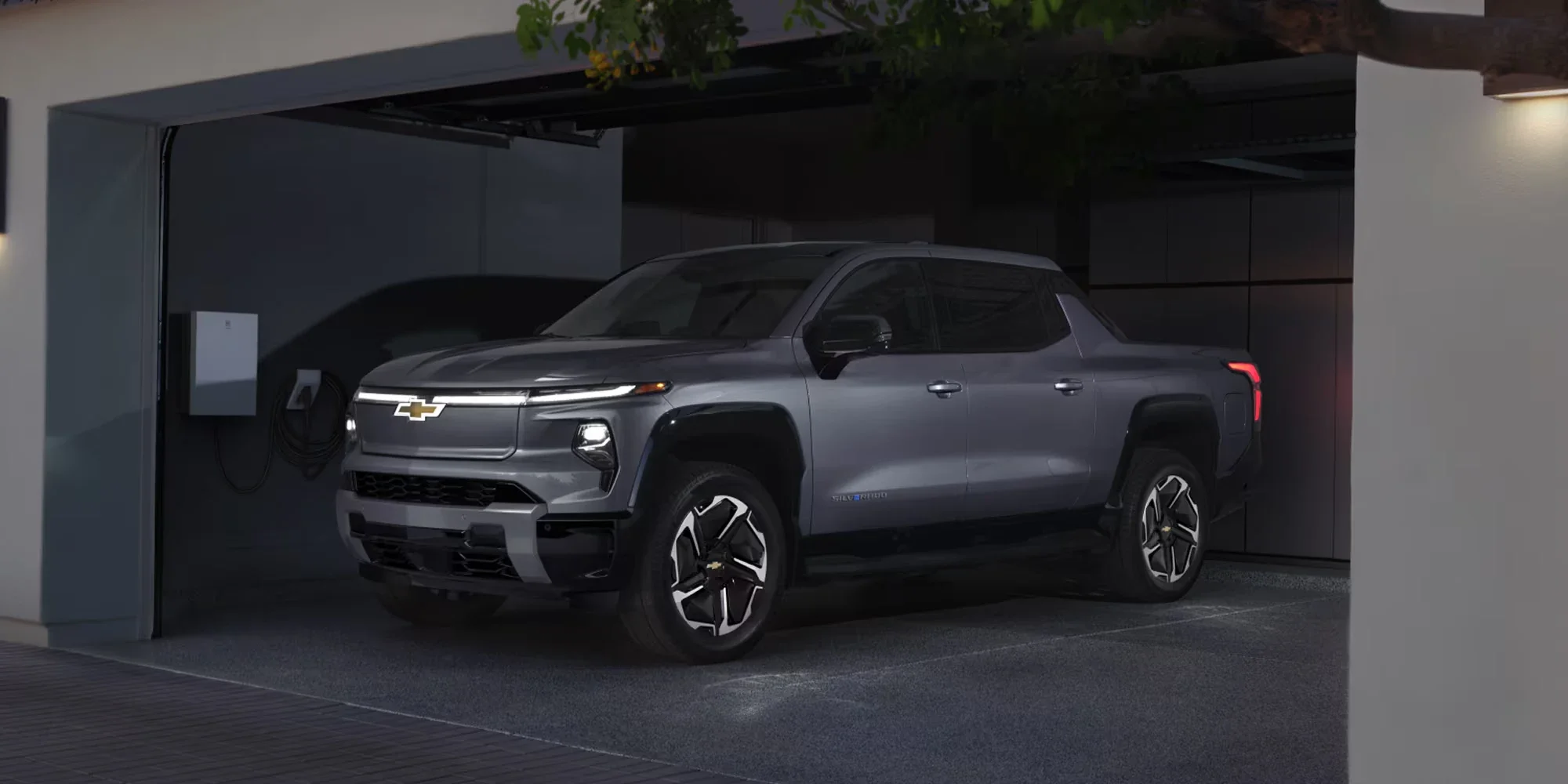
For Bartlett drivers considering the 2026 Chevrolet Silverado EV, home charging comes down to three basic options: a standard household outlet for occasional top-offs, a dedicated 240-volt Level 2 charger for reliable overnight charging, and public DC fast charging for longer trips. Most Silverado EV owners do the vast majority of their charging at home overnight, which means the vehicle is ready to go every morning without a single stop at a public station. At Dobbs Brothers Chevrolet, we talk to EV-curious truck buyers and current gas-truck owners every week who want a straight answer on what home charging actually looks like day to day. A Cordova homeowner installing a garage-mounted Level 2 charger has a very different setup than a Bartlett contractor who needs to top off at a worksite between jobs, and both look different from a family planning a weekend tow to Pickwick Lake and wondering how far the range will really stretch. We carry the 2026 Silverado EV in our Bartlett showroom and work with customers through the charging setup process regularly. In this guide, we walk through Level 1, Level 2, and DC fast charging, compare your home charging options, and match specific ownership situations to what actually works, so you can plan your charging setup before you ever bring the truck home. Definition: Silverado EV home charging refers to the process of recharging the Chevrolet Silverado EV's battery using a household electrical outlet or a dedicated home charging station, rather than relying solely on public charging infrastructure. It typically involves either Level 1 charging through a standard 120-volt outlet or Level 2 charging through a professionally installed 240-volt system. For drivers in Bartlett and the greater Memphis area, the right home charging setup depends on daily driving distance, garage or driveway access, and how the truck is used for work or towing. In This Guide Silverado EV Charging Basics Level 1 and Level 2 Charging DC Fast Charging Range and Work Use Home Charging Readiness Charging Option Comparison Table Garage, Driveway, and Worksite Scenarios Memphis-Area EV Truck Ownership Commutes, Towing, and Summer Range Technology Deep Dive Service Floor Perspective Key Takeaways FAQ Silverado EV Charging Basics The Silverado EV supports three charging methods, and most owners rely on Level 2 home charging for daily use while treating DC fast charging as a road-trip tool rather than a daily habit. Level 1 and Level 2 Charging Level 1 charging uses a standard 120-volt household outlet, the same kind already in most Bartlett garages. It's the slowest method available, and we typically recommend it only for topping off a nearly full battery after a short errand run, not as a primary daily charging method. Level 2 charging uses a dedicated 240-volt circuit, which requires professional installation, and it's what most Silverado EV owners actually use every night. Level 1 (120V): best for occasional top-offs, not full overnight charging Level 2 (240V): GM-estimated 24 to 41 miles of range added per hour, professional installation required Level 2 charging typically restores a full charge overnight for most daily driving patterns Both options plug into the truck's standard charge port without special adapters at home For a Bartlett homeowner installing their first home charger, we recommend planning for Level 2 from the start rather than relying on a household outlet, since a 240-volt setup means the truck is genuinely ready every morning regardless of how much driving happened the day before. We carry this conversation into every Silverado EV sale, since getting the charging setup right up front avoids frustration down the road. Browse Silverado EV Inventory DC Fast Charging DC fast charging is built for the road, not the driveway. The 2026 Silverado EV can accept up to 350 kW at compatible public fast-charging stations, which Chevrolet estimates can add between 74 and 120 miles of range in just 10 minutes depending on trim and conditions. Chevy customers now have access to a network of more than 250,000 public chargers, including over 20,000 Tesla Supercharger locations that work with a GM-approved NACS adapter. Our sales team explains DC fast charging as the tool you use on a longer trip toward Nashville or when you need range in a hurry, not something you'll rely on for everyday Bartlett driving if you have home charging set up properly. For most local commuting and errands, overnight Level 2 charging at home covers the need entirely without a single stop at a public station. Range and Work Use Range on the 2026 Silverado EV varies by trim and battery configuration, with GM-estimated figures reaching up to 493 miles on the Max Range 8WT configuration and up to 478 miles on the LT and Trail Boss Max Range builds. What we see here in Bartlett is that most daily driving, including a full commute into Memphis and back, uses only a small fraction of a full charge, which is part of why overnight Level 2 charging works so well for most owners. For a Bartlett contractor running tools off the truck's offboard power system during the workday, range management matters more than it does for a typical commuter, since both driving and power draw pull from the same battery. The Silverado EV offers up to 11 outlets and up to 10.2 kW of available offboard power, which is useful on a job site, but we recommend planning your charging schedule around both driving and tool use if you're relying on the truck as a mobile power source. Charging Method Power Source Speed Typical Use Level 1 120V household outlet Slowest, several miles per hour Occasional top-offs Level 2 (Home) 240V dedicated circuit 24 to 41 miles per hour Overnight daily charging DC Fast Charging Public 350 kW stations 74 to 120 miles in 10 minutes Road trips and quick top-offs away from home Installation Required Level 2 needs professional install N/A One-time setup cost Public Network Access 250,000+ chargers, 20,000+ Superchargers via NACS adapter Varies by station Travel and backup charging Offboard Power Up to 11 outlets, 10.2 kW available N/A Worksite tools and equipment Best For Level 2 at home for daily driving, DC fast charging for travel, Level 1 for occasional backup Based on Chevrolet official website. Home Charging Readiness Most Silverado EV owners never need public charging for daily driving once a Level 2 home charger is properly installed, but the right setup depends on where and how you park. Charging Option Comparison Table When Bartlett drivers ask us how to plan their home charging setup, we walk through the tradeoffs between the three main charging methods based on daily driving patterns and access to installation space. Scenario Level 1 Level 2 DC Fast Charging Daily commute, home overnight Too slow for full recharge Best fit, full charge overnight Not needed daily No garage, driveway only Workable as backup Possible with outdoor-rated install Not practical daily Long weekend trips Not practical Good for topping off before departure Best fit, fast top-offs on the road Apartment or no charger access Limited usefulness Not available without install Best fit, relies on public network Worksite power needs Not applicable Good for overnight recovery after tool use Useful if traveling between job sites Upfront cost None, uses existing outlet Installation cost required No install cost, pay per session Best For Occasional backup charging only Most Bartlett homeowners with garage or driveway access Road trips and drivers without home charging access Based on Chevrolet official website. For most Bartlett homeowners with a garage or driveway, we recommend planning for Level 2 home charging from day one, since it covers essentially all daily driving needs without a single trip to a public charger. If you're renting or don't have a space for a dedicated charger, we recommend mapping out DC fast charging locations along your regular routes before you take delivery, so charging becomes part of your routine rather than an afterthought. Ask About Home Charging Equipment Garage, Driveway, and Worksite Scenarios Here's how we match specific ownership situations to a charging setup for our Bartlett customers: For a Bartlett homeowner with an attached garage, we recommend a professionally installed Level 2 charger mounted on the garage wall, since it's the most convenient and weather-protected setup for overnight charging. For a Germantown driver with only driveway access, we recommend an outdoor-rated Level 2 charging station, since standard Level 2 equipment can be installed outside with the right weatherproofing. For a Cordova contractor running a Silverado EV between job sites, we recommend planning charging around both driving distance and offboard power use, since running tools off the truck during the day will pull from the same battery you need for the drive home. If you're still working out your setup, use this quick check: If you have a garage or driveway and drive under 100 miles a day, Level 2 home charging alone will likely cover your needs. If you don't have space for a home charger, plan your routine around DC fast charging locations near your regular routes. If you use the truck for worksite power in addition to driving, plan your charging schedule around both uses together. If you're trying to figure out the right home charging setup before bringing home a Silverado EV, we'd rather walk through it with you in person than have you guess from a spec sheet. We keep Silverado EV units in stock at our Bartlett showroom, and our team can talk through Level 2 installation basics, connect you with charging equipment resources, and answer questions about how the truck fits your specific garage, driveway, or worksite situation. If you're weighing an EV truck against a gas Silverado for the first time, bring your daily driving routine and we'll help you figure out whether the charging setup actually works for your life, not just your interest in the technology. We've worked with Bartlett, Cordova, and Germantown customers through this exact process, and we're happy to talk through your specific home setup before you ever sign paperwork. You can browse our current Silverado EV inventory anytime at our new inventory page, or call us directly at 901-451-6720 to set up a time to talk through charging options. We want you confident in the setup before the truck ever comes home. Schedule a Silverado EV Test Drive Memphis-Area EV Truck Ownership Memphis-area summer heat, daily commute distances, and towing to local lakes all affect real-world Silverado EV range differently than the EPA-estimated numbers suggest. Commutes, Towing, and Summer Range Bartlett sits close enough to Memphis that most daily commutes fall well within a single charge, even accounting for real-world range being somewhat lower than GM-estimated figures. Where range planning matters more is towing and extreme heat. Memphis-area summer heat can affect battery performance and range similarly to how it affects any EV, and running the cabin air conditioning heavily during long, stop-and-go Hwy 64 traffic in July and August will reduce your effective range compared to cooler-weather driving. Towing has a bigger impact on range than most first-time EV truck buyers expect. For a Germantown family towing a camper or boat to Pickwick Lake, we recommend planning for meaningfully reduced range compared to the EPA-estimated figures, since towing draws significantly more energy than unloaded highway driving. The Silverado EV is rated to tow up to 12,500 pounds when properly equipped, and its regenerative braking can help provide engine-brake-like control when descending hills with a loaded trailer, but we still recommend planning charging stops more conservatively than you would for a gas truck's fuel stops. Driving Scenario Range Impact Recommendation Daily Bartlett-to-Memphis commute Minimal, well within a single charge Standard overnight Level 2 charging is sufficient Summer heat with heavy AC use on Hwy 64 Moderate reduction vs EPA estimate Charge to full before longer summer drives Towing a camper or boat to Pickwick Lake Significant reduction vs EPA estimate Plan charging stops more conservatively than a gas truck's fuel stops Highway trips toward Nashville or beyond Moderate reduction at higher speeds Use DC fast charging stops along the route Cold winter mornings Moderate reduction, typical of all EVs Precondition the battery while still plugged in when possible We've helped a number of Bartlett and Cordova drivers make the jump from a gas Silverado to the Silverado EV, and the questions almost always come back to range in real conditions, not the number on a spec sheet. If you're on the fence, we'd like to walk through your actual routine with you, your daily commute, whether you tow regularly, and how you plan to charge at home, before you commit to a configuration. Stop by our showroom at 7850 Hwy 64 and we'll talk through exactly how the Silverado EV would perform on your specific routes, including any regular runs out toward Pickwick Lake or Herb Parsons Lake. While you're here, ask about GM Rewards, since points earned on service visits and parts purchases can go toward your next visit. We work with drivers throughout Germantown, Collierville, and Lakeland who are considering the switch to an EV truck, so feel free to browse our inventory at dobbsbrotherschevy.com before you come in. Whatever you decide, we want you making that decision with real information, not just marketing numbers. Explore GM Rewards Benefits Technology Deep Dive The Silverado EV's charging and power tools go beyond basic range management, giving owners real control over how energy is used both on the road and at a worksite. Beyond the basic charging levels, the Silverado EV includes energy management tools designed to help owners plan around real driving conditions rather than relying on a single static range number. A range reserve feature lets drivers set aside a specific amount of range to guarantee reaching a particular destination, which is useful for a longer trip where charging options along the way are uncertain. The myChevrolet mobile app also helps locate charging stations along a planned route, which matters more for Silverado EV owners than for gas truck owners used to fuel stations on every corner. For a Bartlett contractor using the truck's offboard power system, the up to 11 available outlets and 10.2 kW of offboard power essentially turn the Silverado EV into a mobile generator for job site tools, work lighting, or even home backup power during an outage. We recommend thinking of this as a genuine feature rather than a novelty, since it can replace a separate generator for many small business and contractor use cases we see regularly in the Bartlett and Cordova area. Get Pre-Approved for Your Silverado EV Service Floor Perspective Our service team sees fewer routine maintenance visits with the Silverado EV compared to a gas truck, but charging equipment care still matters for long-term reliability. From our service floor, the biggest maintenance difference between the Silverado EV and a gas Silverado is the absence of oil changes, spark plugs, and traditional engine maintenance. That doesn't mean there's nothing to maintain. Our technicians recommend having your home Level 2 charging equipment inspected periodically, particularly the wiring and connection points, since a home charging setup gets used far more often than most household electrical circuits. We also recommend keeping an eye on tire wear, since electric trucks like the Silverado EV carry additional battery weight that can affect tire wear patterns compared to a gas-powered equivalent. Based on what we see at Dobbs Brothers Chevrolet, most Silverado EV owners report fewer overall service visits than they experienced with a gas truck, but the visits that do happen, particularly tire rotations and any charging equipment checks, matter just as much for keeping the truck running reliably long term. Schedule Silverado EV Service Key Takeaways Level 2 home charging (240V) adds a GM-estimated 24 to 41 miles of range per hour and covers most daily driving overnight. DC fast charging at 350 kW can add 74 to 120 miles of range in just 10 minutes for road trips. The 2026 Silverado EV offers up to 493 miles of GM-estimated range depending on trim and battery configuration. Towing to spots like Pickwick Lake meaningfully reduces range compared to EPA-estimated figures. For most Bartlett homeowners, a professionally installed Level 2 charger is the right home charging solution. The Silverado EV's offboard power system can support job site tools or serve as home backup power. Frequently Asked Questions How long does it take to charge a Silverado EV at home? With a Level 2 home charger, the Silverado EV adds a GM-estimated 24 to 41 miles of range per hour, which typically means a full overnight charge covers a complete recharge for most daily driving patterns. A standard 120-volt Level 1 outlet charges much more slowly and is better suited for occasional top-offs rather than a full daily recharge. Based on what we see at Dobbs Brothers Chevrolet, most Bartlett owners plug in every night and wake up with a full or nearly full battery. Do I need a special charger installed at my house? For daily Level 2 charging, yes, you'll need a professionally installed 240-volt charging station, since a standard household outlet only supports slower Level 1 charging. We recommend planning for this installation before your Silverado EV arrives, so the truck is ready to charge overnight from day one. Our team can point you toward resources for getting a Level 2 charger installed at your Bartlett or Cordova home. How much does towing affect Silverado EV range? Towing has a noticeably bigger impact on range than unloaded highway driving. For a family towing a camper or boat to Pickwick Lake, we recommend planning for a meaningful reduction from the EPA-estimated range figures rather than assuming full-charge numbers will hold while towing. The Silverado EV is rated to tow up to 12,500 pounds when properly equipped, but charging stops should be planned more conservatively than fuel stops on a comparable gas truck. Can the Silverado EV work as a backup power source? Yes, the Silverado EV offers up to 11 outlets and up to 10.2 kW of available offboard power, which can support job site tools, work lighting, or home backup power during an outage. We recommend planning your charging schedule around both driving and power use if you plan to rely on this feature regularly. Related Articles Keep reading more Chevrolet model comparisons, service guides, and ownership tips from Dobbs Brothers Chevrolet. EV Guide 2026 Chevrolet Blazer EV vs Equinox EV: Which Electric SUV for Bartlett Compare two of Chevrolet's electric SUV options for Bartlett-area drivers. Read More Towing Guide 2026 Chevrolet Towing Capacity Guide for Bartlett Drivers A closer look at towing capability across the Chevrolet lineup, including electric trucks. Read More Trim Guide 2026 Chevrolet Silverado 1500 Trim Levels Explained Near Bartlett TN Compare gas-powered Silverado trims for Bartlett-area truck buyers. Read More Maintenance Guide Chevrolet Maintenance Schedule and Tips for Bartlett Drivers General maintenance guidance for keeping any Chevrolet, gas or electric, running reliably. Read More

2026 chevrolet equinox screen

Chevy A/C Service for Memphis Summer Heat

Schedule Chevy A/C service for Memphis summer heat when your air feels warm, airflow is weak, the cabin takes too long to cool, odors come through the vents, windows fog unusually, or cooling changes between idle and highway driving. Dobbs Brothers Chevrolet helps Bartlett-area drivers diagnose A/C concerns before hot commutes, school pickup lines, road trips, and workdays become uncomfortable. A Bartlett parent waiting in a school line and a Memphis commuter sitting in I-40 traffic both need the same thing: steady cabin cooling that works when the vehicle is moving slowly, parked hot, or running errands in humidity. Chevrolet A/C service is not only about adding refrigerant. A comfortable cabin depends on airflow, vent temperature, compressor operation, cabin air filter condition, condenser performance, controls, and the way the vehicle behaves under heat load. We recommend service when a change is noticeable because Memphis-area heat can turn a small A/C concern into something you feel on every drive. In this guide, we explain the symptoms that matter, how we think through A/C inspection choices, why local heat and humidity change the urgency, and when to schedule service at our Bartlett service center before the hottest part of the season puts more demand on your Chevrolet. Definition: Chevy A/C service is an inspection and diagnostic process for Chevrolet air conditioning performance. It may include checking refrigerant level, compressor operation, airflow, cabin air filter condition, blower performance, vent temperature, and related components. For Memphis-area drivers, it supports cabin comfort during heat, humidity, traffic, and summer travel. Table of Contents Why A/C Service Matters Cooling Performance Symptoms Refrigerant, Compressor, and Cabin Filter Basics Heat and Humidity Stress A/C Inspection and Repair Choices A/C Symptom Comparison Table Daily Driving and Family Comfort Bartlett Summer Service Needs I-40 Traffic, School Runs, and Hot Parking Lots Airflow Problem or Cooling Problem? Why Early A/C Service Feels Better Than Waiting Key Takeaways Chevy A/C Service FAQs for Memphis Summer Heat Why A/C Service Matters Key Takeaway: A/C service matters most when cooling performance changes during real driving, especially in Memphis heat, stop-and-go traffic, school lines, and hot parking lots. Cooling Performance Symptoms The first sign of an A/C concern is usually a change in how the cabin feels. Warm air from the vents is the obvious symptom, but slow cooling, uneven temperature, weak airflow, unusual odor, moisture on windows, or cooling that fades at idle can also point to a system that needs attention. We ask drivers to describe when the concern happens because a Chevrolet that cools well on the highway but struggles in traffic may need a different inspection path than one that never cools properly. For a Bartlett commuter whose Equinox cools on the highway but struggles in I-40 traffic, we recommend an A/C inspection because heat load, airflow, refrigerant condition, compressor operation, and condenser performance may all affect comfort. The goal is not to guess at a repair. The goal is to confirm what the system is doing under the conditions where the driver actually feels the problem. Schedule service if the air from the vents feels warm. Schedule service if airflow feels weaker than usual. Schedule service if the cabin takes too long to cool after parking in the sun. Schedule service if cooling changes between idle, traffic, and highway speeds. Schedule service if odors, unusual noise, or fogging appear with A/C use. Schedule Chevy A/C Inspection Refrigerant, Compressor, and Cabin Filter Basics Chevrolet A/C performance depends on several systems working together. Refrigerant helps the system move heat. The compressor supports cooling operation. The condenser and evaporator help with heat exchange. The blower motor and cabin air filter affect airflow. A restricted cabin filter can make the A/C feel weak even when vent temperature is acceptable, while a refrigerant or compressor concern can make airflow feel normal but not cold enough. For a Germantown family with weak airflow in a Traverse during summer errands, we recommend checking cabin air filter condition and blower airflow before assuming the system needs a larger repair. For a vehicle blowing strong air that is not cool, we look closer at cooling performance. Our technicians use a diagnostic approach because replacing parts without confirming the root concern does not help the customer or the vehicle. Heat and Humidity Stress Memphis summer heat changes how quickly A/C symptoms show up. A vehicle that feels acceptable in the morning may struggle after sitting in a blacktop parking lot all afternoon. Stop-and-go traffic, hot interiors, darker upholstery, high humidity, long school pickup lines, and short errands can all make the system work harder. We see this most often when drivers say the vehicle cools eventually but no longer cools quickly enough. For a Collierville Silverado owner using a truck for work all day, we recommend pairing A/C service with a broader summer inspection. Work trucks often sit in the sun, idle between stops, carry passengers after the cabin heats up, and need steady cooling before the next job. If the truck is also due for tire, battery, brake, or fluid service, handling those items with the A/C concern can make the visit more useful. A/C Symptom What the Driver Feels Possible Inspection Area Best Next Step Warm air Airflow is present but not cool Cooling performance, refrigerant, compressor, controls Schedule A/C diagnosis Weak airflow Low vent force or slow cabin cooling Cabin air filter, blower, vents, airflow path Request airflow inspection Slow cooling Cabin takes too long to recover after parking Cooling output, heat load, cabin filter, condenser Schedule service before peak heat Odor from vents Musty or stale smell during A/C use Cabin filter, moisture, ventilation path Ask for filter and ventilation check Fogging Windows do not clear normally in humidity Airflow, humidity control, cabin filter, A/C function Schedule visibility-related inspection Cooling changes at idle Cooler on highway, warmer in traffic Compressor operation, condenser airflow, system performance Describe driving conditions at check-in Based on Chevrolet official website. Check Chevy Service Specials A/C Inspection and Repair Choices Key Takeaway: A/C symptoms help us choose the right inspection path, but diagnosis confirms whether the concern is cooling, airflow, controls, filter restriction, or another related item. A/C Symptom Comparison Table We recommend telling our service team exactly what you feel, when it happens, and how long the vehicle has been behaving that way. “My A/C does not work” can mean several different things. It may mean the vents blow warm air. It may mean the air is cold but weak. It may mean the system cools at speed but struggles in traffic. Those differences matter because they point the inspection in different directions. Customer Description Likely Starting Point Urgency Ideal Next Step Air is warm all the time Cooling system performance High in summer heat Schedule A/C diagnostic visit Air is cold but barely comes out Airflow path and cabin filter Moderate to high Request airflow and filter check A/C works on highway only Traffic and idle performance High for commuters Explain idle and driving-speed symptoms Cabin smells musty Cabin filter and ventilation Moderate Ask for cabin filter inspection Windows fog in humidity Airflow and moisture management High if visibility is affected Schedule inspection promptly Cooling is slow after parking Heat load and cooling output Moderate to high Schedule before longer summer trips Ideal Use Case Driver who describes symptoms clearly Best for accurate diagnosis Bring notes about when the problem appears Based on Chevrolet official website. The key difference between A/C symptoms is whether the vehicle has an airflow concern, a cooling concern, or a comfort concern that appears under certain driving conditions. We recommend diagnosis before repair because the same customer complaint can come from several different inspection areas. A clear description at check-in helps us start with the most useful tests. Daily Driving and Family Comfort Chevy A/C service becomes more urgent when the vehicle carries people all day, sits in heat, or runs the same hot route repeatedly. A daily commuter, parent, senior driver, rideshare driver, student driver, and work-truck owner may all notice different symptoms. If you are a Bartlett parent waiting in school pickup lines, we recommend A/C service when slow cooling affects passenger comfort. If you are a Memphis commuter in I-40 traffic, we recommend service when cooling drops at idle or in slow traffic. If you are a Germantown family driving a Traverse, we recommend a cabin filter and airflow inspection when rear passengers feel weak cooling. If you are a Memphis rideshare driver, we recommend inspection before peak summer because passenger comfort affects every trip. If you are a Collierville Silverado owner using the truck for work, we recommend pairing A/C service with a summer multi-point inspection. For Memphis-area drivers, we recommend scheduling A/C service before the vehicle becomes uncomfortable every day. A parent with children, a commuter in traffic, a senior driver, and a rideshare driver all need cooling that works consistently at low speeds and after hot parking. Early inspection helps us address comfort concerns before the hottest weeks make every symptom feel worse. Book A/C Service Online When you schedule A/C service with us, we recommend describing the symptom as clearly as possible so our service team can understand when the concern appears. Tell us whether the air is warm, weak, slow to cool, noisy, musty, or inconsistent between idle and highway speeds. We can help with A/C inspections, cabin air filter checks, related maintenance, and Chevrolet service support through our Chevrolet service scheduler. Call our service team at 901-382-5644 and let us know if the concern happens in traffic, after parking, during school runs, or on longer summer drives. We will help you plan the visit around the way your Chevy is actually being used. Ask Our Service Team Bartlett Summer Service Needs Key Takeaway: Bartlett and Memphis summer driving makes A/C performance more important because traffic, humidity, hot parking lots, and school routes put steady demand on cabin cooling. I-40 Traffic, School Runs, and Hot Parking Lots Local driving conditions matter. Hwy 64 errands, I-40 traffic, Memphis school pickup lines, Germantown grocery trips, Collierville work routes, Arlington family drives, and Lakeland weekend travel can all expose A/C issues quickly. A Chevrolet that feels fine on a mild morning may feel different after it sits in a hot lot for three hours. Humidity can also make defogging and cabin comfort more noticeable. For a Bartlett senior driver, we recommend scheduling service when cooling is inconsistent or windows fog unusually because cabin comfort and visibility both matter in humid weather. For an Arlington family preparing for a July road trip, we recommend A/C inspection before the trip instead of finding out during the drive that the system cannot keep up. For a Memphis commuter, cooling at idle is a practical comfort issue, not a luxury. Local Driving Scenario A/C Concern Recommended Service Focus Why It Matters Bartlett school pickup Slow cabin cooling while idling A/C performance inspection Passenger comfort depends on low-speed cooling Memphis I-40 traffic Cooling changes in stop-and-go driving Idle and cooling output review Traffic makes small issues more noticeable Germantown family errands Weak airflow to passengers Cabin filter and blower airflow check Rear-seat comfort matters during daily use Collierville work truck use Hot cabin after outdoor parking A/C and summer multi-point inspection Workdays depend on consistent comfort Arlington road trip prep Cabin needs to stay comfortable for longer drives Pre-trip A/C inspection Early service supports road-trip comfort Lakeland humid mornings Fogging or musty airflow Airflow and cabin filter inspection Comfort and visibility both matter Based on Chevrolet official website. For Bartlett and Memphis-area drivers, Chevy A/C service is most useful before peak heat turns a small comfort change into a daily frustration. We recommend service when your vehicle takes longer to cool, airflow feels weak, humidity affects visibility, or cooling changes in traffic. Around West Tennessee, hot parking lots, storm-season moisture, school routes, and work commutes make cabin cooling part of everyday vehicle readiness. Our service center can also help you pair A/C inspection with broader summer maintenance. We can review tires, brakes, battery condition, wipers, fluids, cabin air filter condition, and related service needs while your Chevrolet is with us. If you drive from Bartlett, Memphis, Germantown, Collierville, Arlington, or Lakeland, we can help you plan service around your commute, school schedule, work route, or family trip. You can use our online service appointment tool or call 901-382-5644. We can also help you review GM Rewards where eligible so routine Chevrolet maintenance stays easier to manage. View Summer Service Offers Airflow Problem or Cooling Problem? Key Takeaway: Weak airflow and warm air are different A/C concerns, so separating air volume from air temperature helps us diagnose the right part of the system. One of the most useful questions we ask is whether the A/C is blowing enough air. A Lakeland driver may say the A/C “does not work,” but the issue may be weak airflow from a restricted cabin filter rather than a cooling failure. Another driver may have strong airflow that never gets cold enough, which points the inspection in a different direction. We recommend thinking about the symptom before the appointment. Does the fan sound normal? Does the air come out with normal force? Is the air cold at first and then warm later? Does it cool better once the vehicle is moving? Does one side or one row feel different? Those details help our technicians separate airflow, temperature, controls, and humidity concerns. Driver Description Airflow Concern? Cooling Concern? What We Check First Strong air, not cold No Likely Cooling performance and system operation Cold air, weak vents Likely Possible but secondary Cabin filter, blower, vent path Musty smell Possible Not always Cabin filter and ventilation path Works only while driving Not always Possible Idle cooling performance Fogging in humidity Possible Possible Airflow, A/C operation, cabin filter Ideal Use Case Driver gives clear symptom notes Diagnosis starts faster Share when and where it happens Request Cabin Filter Support That is why we avoid guessing based only on one sentence. The more specific the symptom, the better we can plan the inspection. A good A/C visit starts with the driver’s description and ends with a confirmed service recommendation. Why Early A/C Service Feels Better Than Waiting Key Takeaway: Early A/C service helps drivers address comfort changes before peak Memphis heat makes every commute, errand, and road trip feel harder. Waiting until the hottest week of summer can make a small A/C change feel much bigger. When a Chevrolet already takes too long to cool in June, July heat can make the same concern more frustrating during every drive. We recommend scheduling early when you notice a change because comfort issues tend to affect the same daily moments again and again: school pickup, traffic, grocery stops, work routes, and road trips. If your cabin cools slowly now, we recommend service before a family trip. If your vents feel weak now, we recommend checking the cabin filter and airflow path. If your A/C struggles in traffic, we recommend describing idle symptoms at check-in. If you drive seniors, children, or rideshare passengers, we recommend service before peak heat. If your Chevy is already due for maintenance, we recommend combining A/C service with summer inspection items. For an Arlington family preparing for July travel, early service is less about urgency and more about comfort. A/C performance supports passenger patience, driver focus, and a calmer cabin. We want your Chevrolet ready before the route, not after the first uncomfortable drive. Key Takeaways Schedule Chevy A/C service when air is warm, weak, slow to cool, musty, noisy, or inconsistent. Weak airflow and warm air can point to different inspection areas. Cabin air filter condition can affect how strong the A/C feels at the vents. Memphis heat, I-40 traffic, humidity, and hot parking lots make A/C performance more important. Early A/C service helps families, commuters, rideshare drivers, and work-truck owners stay more comfortable. Chevy A/C Service FAQs for Memphis Summer Heat Why is my Chevy A/C blowing warm air? A Chevy A/C system may blow warm air because the system needs inspection for cooling performance, refrigerant condition, compressor operation, condenser airflow, electrical controls, or related components. We recommend scheduling an inspection when the air from the vents feels warm, cooling changes between idle and highway speeds, or the cabin takes too long to cool in Memphis summer heat. A clear description of when the warm air appears helps us choose the right diagnostic path. Can a cabin air filter make my Chevy A/C feel weak? Yes. A restricted cabin air filter can make a Chevrolet A/C system feel weak because airflow through the vents may be reduced even when the system is still producing cool air. We check cabin filter condition, blower operation, vent airflow, and cooling performance because weak airflow and warm air are different concerns. For a Germantown family driving a Traverse, a filter check can be a smart starting point when rear-seat airflow feels limited. When should I schedule Chevy A/C service near Memphis? We recommend scheduling Chevy A/C service before peak heat or as soon as cooling changes. Warm air, weak airflow, unusual odor, slow cabin cooling, fogging, noise, or cooling that drops at idle are good reasons to schedule service. For Bartlett, Memphis, Germantown, Collierville, Arlington, and Lakeland drivers, early service helps keep summer driving more comfortable during school routes, traffic, errands, workdays, and road trips. Can Dobbs Brothers Chevrolet service my Chevy A/C before a summer road trip? Yes. We can help with A/C inspection before a summer road trip, especially if your Chevy has been cooling slowly, sitting in hot parking lots, or carrying family passengers in humid weather. Our service team can review airflow, cabin filter condition, cooling performance, visible concerns, and related maintenance needs before the miles add up. Schedule Chevy A/C Service in Bartlett TN We are here to help you keep your Chevrolet comfortable through Memphis summer heat. Visit us at Dobbs Brothers Chevrolet, 7850 HWY 64, Bartlett, TN 38133, and we can help you schedule A/C inspection, cabin air filter support, summer maintenance, and related Chevrolet service. We work with drivers from Bartlett, Memphis, Germantown, Collierville, Arlington, and Lakeland who need reliable cabin cooling for work, family, school, errands, and road trips. We can also help you review GM Rewards where eligible. Call our service team at 901-382-5644 or use our website to schedule service before the next hot drive. Related Articles Keep reading more Chevrolet service tips, SUV comparisons, and ownership advice from our team in Bartlett. Financing Chevrolet Financing and Leasing Options at Dobbs Brothers in Bartlett TN Compare Chevrolet financing and leasing options near Bartlett TN. Dobbs Brothers Chevrolet helps shoppers apply, trade, and choose confidently. Read More SUVs Best 2026 Chevrolet SUVs for Summer Road Trips from Bartlett TN Plan your Tennessee summer road trip in a 2026 Chevrolet SUV with comfort, cargo space, towing, and family features at Dobbs Brothers Chevrolet. Read More Full-Size SUV Comparison 2026 Chevrolet Tahoe vs Ford Expedition: Which Full-Size SUV for Bartlett Drivers Compare full-size SUV space, towing, cargo room, technology, and value logic for Bartlett, Memphis, and West Tennessee drivers. Read More