




Blog / New Chevrolet vehicles in Bartlett, TN

Blog

All New Chevrolet vehicles in Bartlett, TN Bartlett, TN Chevrolet Dealer Bartlett, TN Chevrolet Service Dobbs Brothers Chevrolet Service
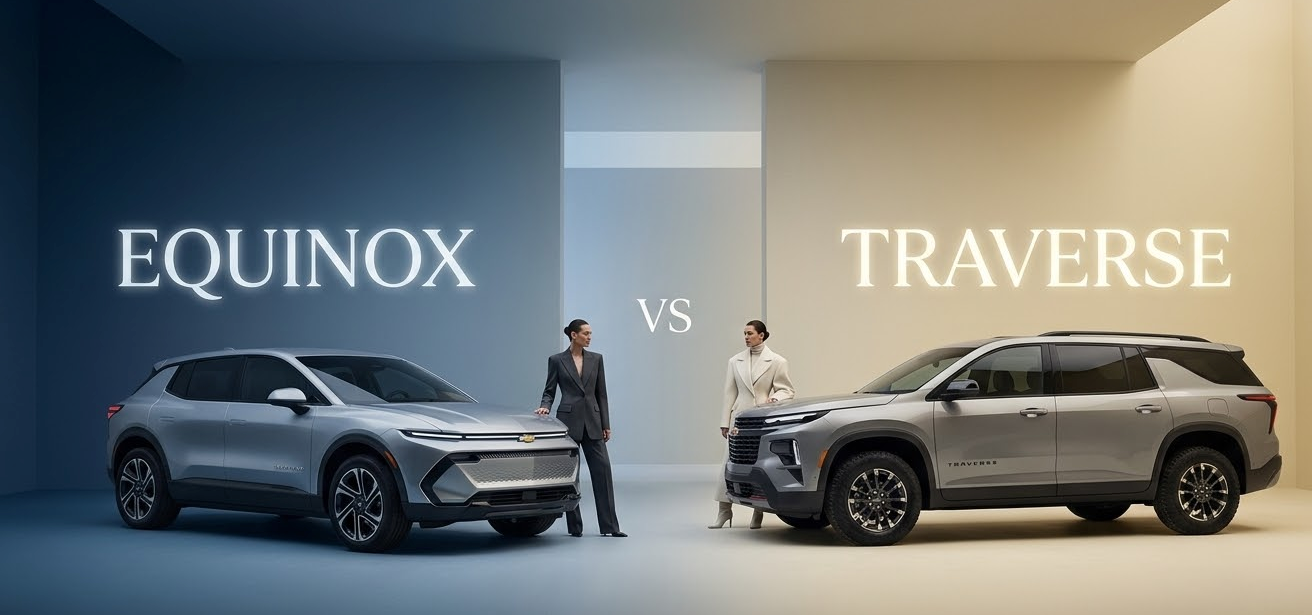
chevy equinox vs chevy traverse

2026 Chevrolet Equinox vs Traverse: Which SUV Fits Your Bartlett Family

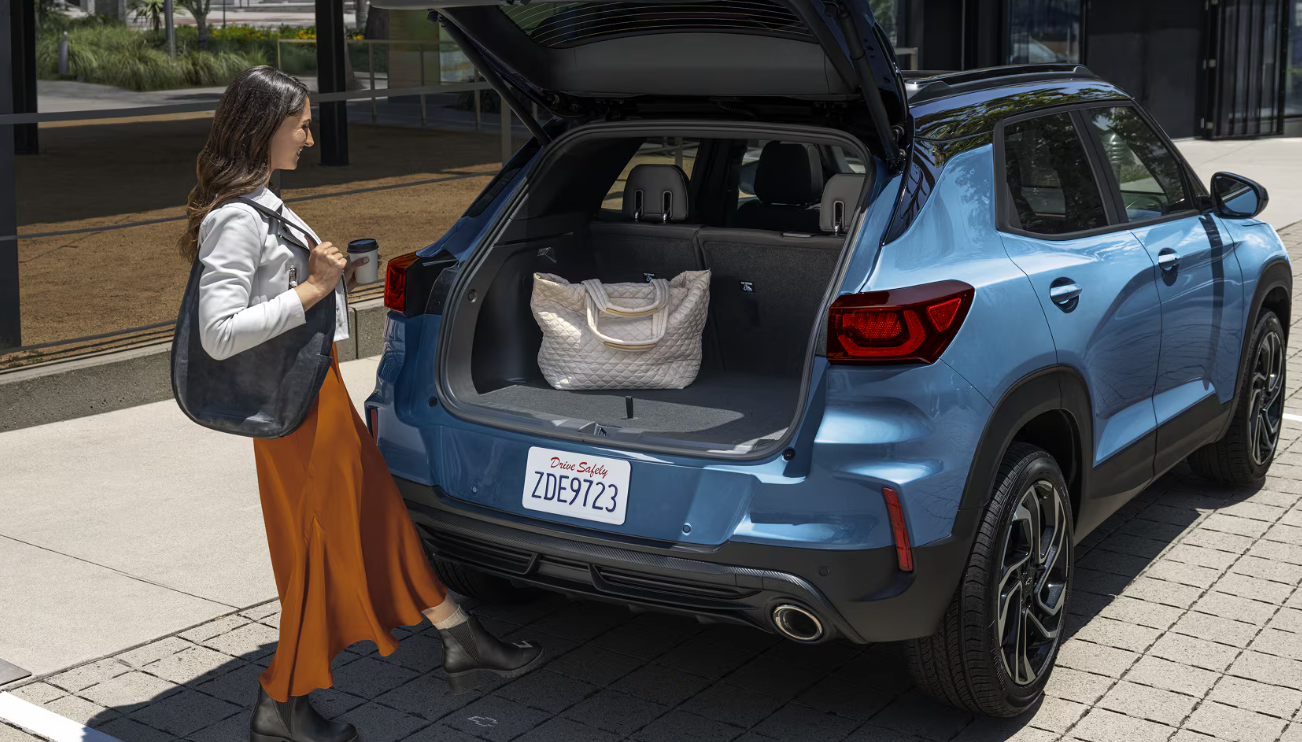
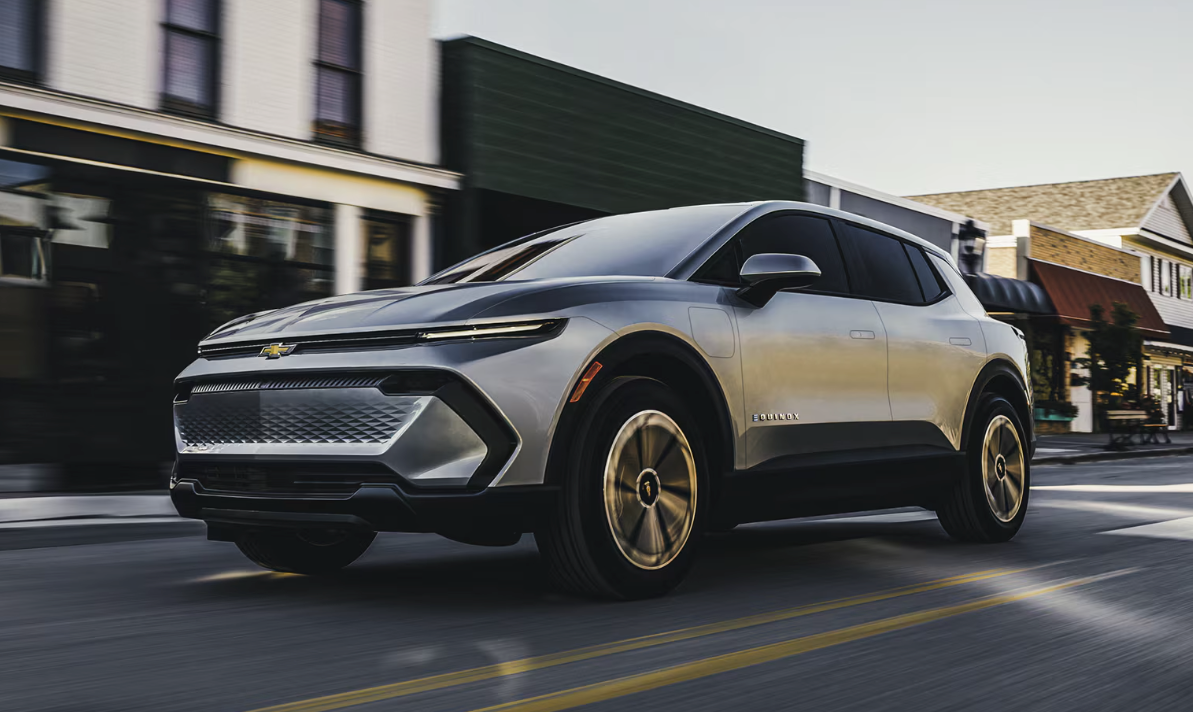
Chevrolet SUV Comparison 2026 Chevrolet Equinox vs. Traverse: Which SUV Fits Your Bartlett Family? The Equinox is the smarter compact SUV for shoppers who want value, efficiency, and easy daily driving. The Traverse is the stronger fit for families that need three-row space, more cargo room, stronger towing, and a more flexible cabin. Choose the Equinox if... You want seating for five, a lower starting price, easier parking, stronger efficiency, and enough space for everyday family life. Choose the Traverse if... You need up to eight seats, more cargo volume, stronger power, better towing capability, and more room for growing family needs. If you are trying to choose between the 2026 Chevrolet Equinox and the 2026 Chevrolet Traverse near Bartlett, the short answer is simple. The Equinox is the smarter fit for buyers who want a five-passenger compact SUV with solid value, better efficiency, and easier daily maneuverability, while the Traverse is the better fit for families who need true three-row space, much more cargo volume, stronger towing, and a more premium cabin layout. Chevrolet currently lists the Equinox starting at $28,800 with seating for five, up to 63.5 cubic feet of max cargo volume, 26/28 city/highway mpg, an 11.3-inch touchscreen, and over 15 standard safety and driver assistance features. Chevrolet lists the Traverse starting at $40,800 with seating for up to eight, best-in-class 98 cubic feet of cargo volume, 19/24 city/highway mpg on 2WD models, a 17.7-inch touchscreen, and over 20 standard safety and driver assistance features. At Dobbs Brothers Chevrolet of Bartlett, we look at this comparison from a shopper’s real life, not just from a spec sheet. The better question is how each SUV fits the way you actually drive around Bartlett, Memphis, Germantown, Arlington, Lakeland, and the rest of the greater Memphis area. Some buyers need something easy to park, efficient to run, and roomy enough for a small family. Others already know they are tired of packing around the limits of a compact SUV and need a vehicle that can handle carpools, road trips, child seats, sports bags, and weekend cargo without turning every drive into a game of compromise. Dobbs Brothers Chevrolet of Bartlett serves those local drivers with new Chevrolet inventory, financing tools, trade-in support, service, and test-drive scheduling from our location at 7850 HWY 64. This guide breaks down the real space difference, the engine and transmission logic, fuel economy, technology layout, trim value, and the practical ownership question that matters most: whether you should stay in the Equinox lane or move up to the Traverse now instead of wishing you had done it a year from now. Table of Contents Size, Seating, and Cargo Space Differences Passenger Space and Family Packaging Cargo Room, Daily Utility, and the Real Cost of Outgrowing Your SUV Who Truly Needs a Third Row and Who Does Not Performance, Fuel Economy, and Technology 1.5L Turbo Equinox vs. 2.5L Turbo Traverse Screens, Safety Tech, and Trim Value Chevy Equinox vs. Chevy Traverse Pricing and Trim Level Overview Compare Both SUVs at Dobbs Brothers Chevrolet of Bartlett 2026 Chevy Equinox vs. Traverse FAQs Size, Seating, and Cargo Space Differences Key Takeaway: The Equinox is the better compact daily SUV for five-passenger households, while the Traverse is the right move for families who need more passenger flexibility, much larger cargo room, and a vehicle that can absorb future growth without feeling cramped. The biggest difference between the 2026 Equinox and the 2026 Traverse is not styling or even horsepower. It is mission. Chevrolet built the Equinox as a compact family SUV and the Traverse as a midsize three-row family SUV. That sounds obvious, but a lot of shoppers still compare them because the price jump is significant enough to require thought, while the promise of extra room is attractive enough to create doubt. Chevrolet lists the Equinox with seating for five, max cargo volume of 63.5 cubic feet, and starting MSRP of $28,800. Chevrolet lists the Traverse with seating for up to eight, best-in-class max cargo volume of 98 cubic feet, and starting MSRP of $40,800. That means the Traverse gives you far more total interior utility, but it also asks you to pay for space and capability you may not need every day. The smartest decision is not automatically the larger SUV. It is the SUV whose mission actually matches your household. There is also a major physical size difference. In a current 2026 comparison data, the Equinox measures 183.2 inches long with a 107.5-inch wheelbase, while the Traverse measures 204.5 inches long with a 121.0-inch wheelbase. That is a meaningful jump in footprint, and it has consequences in both directions. The Traverse can provide more second-row comfort, more cabin openness, and a real third row, but the Equinox is easier to manage in tighter parking situations, garages, older driveways, and everyday suburban errands. Edmunds also lists the Equinox with a 37.1-foot turning circle and the Traverse at 39.0 feet, which helps illustrate why compact-SUV buyers often feel more relaxed in crowded shopping areas and school pickup lines. For many Bartlett households, that extra ease matters Monday through Friday even if the bigger vehicle looks more tempting on Saturday. The Equinox works best for drivers who want a more efficient, easier-to-live-with SUV that still has enough cargo flexibility for groceries, strollers, backpacks, weekend luggage, and the normal clutter of family life. The Traverse works best for buyers who already know their household operates at a larger scale. More passengers, more travel gear, more use for a third row, or simply more desire to keep the vehicle longer as the family grows. If you buy the Equinox and use it within its intended mission, it feels smart and efficient. If you buy it while secretly needing Traverse space, it starts to feel undersized much faster. That is the ownership mistake worth avoiding. Passenger Space and Family Packaging Passenger packaging is one of the least glamorous parts of SUV shopping, but it is one of the most important. Chevrolet positions the Equinox as a five-passenger SUV with a roomy interior and flexible folding seats, while the Traverse is designed around available seating for up to eight with flexible second-row seating options, including bench seats or captain’s chairs depending on configuration. That difference changes everything. The Equinox is ideal for singles, couples, young families, and many households with one or two children. The Traverse is built for larger family movement and for households that need to carry extra passengers without constant tradeoffs. If your life includes grandparents, teammates, friends, or frequent carpool duty, the Traverse starts making sense very quickly. The numbers reinforce that story. Chevrolet lists front leg room at 40.9 inches in the Equinox and 44.3 inches in the Traverse, with rear leg room at 39.9 inches for the Equinox and 41.5 inches for the Traverse. Shoulder room is also noticeably broader in the Traverse. Those figures are not just technical filler. They speak directly to how relaxed adults feel in the second row, how easy child-seat placement becomes, and how much the front seats must compromise for rear passengers. A compact SUV can be family-friendly, but a midsize three-row SUV simply has more room to distribute comfort across the cabin. That is especially true once rear-facing seats, booster seats, and growing kids start competing for the same space. Chevrolet also gives the Traverse a stronger family-access story. LT includes Smart Slide Seats, and RS and High Country add One-Touch Fold second-row seats plus power-folding second- and third-row seating. The Equinox counters with a practical 60/40 split-bench rear seat and hidden rear cargo-floor storage, which are both useful features, but it does not have to solve the same problem. It is trying to make five-passenger family life easier. The Traverse is trying to make larger family logistics manageable. Those are different jobs, and that difference should shape your purchase decision more than a simple “small versus big” label ever could. Cargo Room, Daily Utility, and the Real Cost of Outgrowing Your SUV Cargo room is where the gap becomes especially clear. Chevrolet lists the Equinox at 63.5 cubic feet of maximum cargo volume and the Traverse at 98 cubic feet, which Chevrolet also calls best-in-class for the Traverse. In Chevrolet comparison data, the Equinox offers 29.8 cubic feet behind the rear seat, while the Traverse offers 22.9 cubic feet behind the third row and 56.6 cubic feet with the rear seats folded. The reason that matters is simple: the Traverse can carry people and cargo at the same time in ways the Equinox cannot. The Equinox is very usable for a compact SUV, but if you regularly need multiple rows occupied and still want meaningful luggage or sports-gear space, the Traverse is the more realistic answer. This is also where the “save money now” instinct can work against some buyers. A lot of families begin in a compact SUV thinking they will make it work. Then a second child arrives, weekend travel grows, strollers become wagons, team sports begin, and every loading event becomes tighter than it should be. The cost of outgrowing your SUV is not only financial. It is also mental. It shows up in packing stress, passenger compromises, and a feeling that the vehicle is always being asked to do one job too many. The Equinox is still a smart buy for many households, but only if you do not ask it to solve a midsize-SUV problem. That is one of the biggest blind spots in generic comparison content, and it is exactly why we tell buyers at Dobbs Brothers Chevrolet of Bartlett to think about the next three years, not just the next three months. Three quick utility checkpoints can help narrow the decision: Choose Equinox if your household rarely carries more than four people and you want easier parking, lower entry cost, and stronger fuel economy. Choose Traverse if you need regular third-row access, carry larger loads, or want more room for child seats, road trips, and carpools. Choose Traverse sooner rather than later if you already know your family needs are expanding and you do not want to replace the vehicle again too soon. Who Truly Needs a Third Row and Who Does Not Not every family needs a third row, and this is where an honest dealership conversation matters more than marketing. Some shoppers are drawn to the Traverse because a third row sounds like the “better family option.” Sometimes that is true. Sometimes it is just extra size and expense that will sit unused most of the year. If your daily routine is mostly one or two adults, one or two children, short errands, and occasional cargo duty, the Equinox can be the more rational purchase. It gives you the right amount of SUV without forcing you to pay the price, fuel, and footprint penalties of a larger vehicle. Chevrolet’s current lineup positioning supports that logic: Equinox sits in the compact family-SUV slot, and Traverse sits in the midsize three-row slot for buyers whose needs are clearly broader. On the other hand, some buyers hesitate too long before moving up. If you have three children, frequent guest passengers, regular carpools, or a road-trip lifestyle, the Traverse is not “too much SUV.” It is the correct amount of SUV. It also provides a cleaner step below Tahoe and Suburban, which are excellent full-size SUVs but ask for an even larger size and budget commitment. Within Chevrolet’s own family, that makes the Traverse one of the most balanced choices for households that need real family capacity without jumping all the way to full-size ownership. This brand-to-brand logic matters because a smart Chevrolet comparison should start within the lineup first. Only after that should you worry about Hyundai Palisade, Toyota Grand Highlander, Honda Pilot, Toyota RAV4, or Hyundai Tucson. Your first question is which Chevrolet mission fits you best. Performance, Fuel Economy, and Technology Key Takeaway: The Equinox gives you better day-to-day efficiency and simpler compact-SUV value, while the Traverse gives you much more power, more towing strength, a larger cabin interface, and a broader safety and trim story for bigger families. Chevrolet has built these two SUVs around very different power and utility priorities. The 2026 Equinox uses a 1.5L turbo engine producing 175 horsepower, with available all-wheel drive and up to 1,500 pounds of towing capacity. Chevrolet also lists 26/28 city/highway mpg for the Equinox in the current lineup summary. The 2026 Traverse uses a turbocharged 2.5L engine producing 328 horsepower and 326 lb-ft of torque, paired with an eight-speed automatic transmission and standard towing capacity of up to 5,000 pounds with included trailering equipment. Chevrolet lists 19/24 city/highway mpg for the Traverse on 2WD models, while the model page also highlights 20/26 mpg on FWD in its capability section. The difference is clear: Equinox is tuned for efficient everyday compact-SUV use, while Traverse is engineered to move more mass, more passengers, and more cargo with stronger reserve power. That changes how each SUV feels in real ownership. The Equinox is easier to justify for buyers whose life is centered on commutes, errands, lighter family duty, and budget consciousness. The Traverse makes more sense if you want stronger highway merging, easier loaded-up acceleration, and real trailer flexibility. Edmunds comparison data echoes that gap with 175 horsepower and 184 lb-ft of torque for the Equinox LT versus 328 horsepower and 326 lb-ft for the Traverse LT. Edmunds also lists fuel economy at 26/29/27 mpg for the Equinox LT and 20/26/22 mpg for the Traverse LT in its current comparison tool, which tracks closely with Chevrolet’s overall positioning even if specific figures vary by drivetrain. The technology gap is equally important. Chevrolet gives the Equinox an 11.3-inch infotainment touchscreen and an 11-inch Driver Information Center, plus Google built-in, Adaptive Cruise Control, wireless Apple CarPlay and Android Auto compatibility, and over 15 standard safety and driver assistance features including Chevy Safety Assist. Chevrolet gives the Traverse an 11-inch Driver Information Center and a much larger standard 17.7-inch touchscreen, plus Google built-in, available HD Surround Vision, available Super Cruise on High Country and RS through the Enhanced Driving Package, and over 20 standard safety and driver assistance features. In plain English, the Equinox already feels modern and competitive. The Traverse feels like a larger, more premium technology environment. 1.5L Turbo Equinox vs 2.5L Turbo Traverse The Equinox powertrain makes sense for the vehicle’s mission. Chevrolet’s 1.5L turbo engine gives the compact SUV enough output for daily driving while helping preserve efficiency and pricing discipline. For a lot of buyers, that is exactly the right formula. It keeps the Equinox from trying to be something it is not. It is not a heavy hauler, and it is not supposed to be. It is a compact family SUV designed to move five passengers comfortably, handle daily cargo, and stay easy to live with over long ownership. Its available all-wheel drive, standard Drive Mode Selector, and 1,500-pound towing capacity are useful bonuses, not the center of the vehicle’s identity. The Traverse, by contrast, uses its 2.5L turbo engine to solve the heavier-duty family problem. More passengers, more mass, more cargo, more aerodynamic load, and more demand for relaxed acceleration all push Chevrolet toward a stronger output profile. That is why the Traverse’s torque figure matters so much. It is not just the headline 328 horsepower. It is the 326 lb-ft that gives the midsize SUV more confidence when loaded, merging, climbing, or towing. Chevrolet also points out that this powertrain delivers improved performance and greater efficiency than the previous V6 generation, which is a useful reminder that more cylinders do not automatically equal a better modern family SUV. Here, the engineering goal is usable torque and packaged capability. There is also a practical transmission difference. Chevrolet lists the Equinox LT with a continuously variable automatic and the Traverse LT with an eight-speed shiftable automatic. Chevrolet’s own pages also specify an eight-speed automatic for the Traverse and a CVT on FWD Equinox trims in the configurator. That matters because it helps explain why the Traverse feels more traditional under load, while the Equinox leans more toward smoothness and efficiency. Neither setup is wrong. They are simply matched to different buyer priorities. If you want the more efficient daily tool, the Equinox is correctly engineered. If you want stronger response for a heavier family role, the Traverse is correctly engineered. Screens, Safety Tech, and Trim Value Chevrolet has done a smart job separating these SUVs by technology without making the Equinox feel stripped down. The Equinox gives you an 11.3-inch touchscreen, an 11-inch Driver Information Center, Google built-in, and over 15 standard safety and driver assistance features. Standard features include Automatic Emergency Braking, Front Pedestrian Braking, Lane Keep Assist with Lane Departure Warning, Forward Collision Alert, Following Distance Indicator, IntelliBeam, Side Bicyclist Alert, Adaptive Cruise Control, Rear Park Assist, HD Rear Vision Camera, Lane Change Alert with Side Blind Zone Alert, and Rear Cross Traffic Braking. That is a strong value equation in a compact SUV price band. The Traverse raises the ceiling. Chevrolet gives it a standard 17.7-inch touchscreen, the same 11-inch Driver Information Center, available HD Surround Vision, available Super Cruise on High Country and RS, and over 20 standard safety and driver assistance features. Chevrolet specifically highlights features such as Front Pedestrian and Bicycle Braking, Blind Zone Steering Assist, Rear Cross Traffic Braking, Adaptive Cruise Control, Rear Pedestrian Alert, Side Bicyclist Alert, and Intersection Automatic Emergency Braking. This is where the Traverse starts to feel less like “the bigger SUV” and more like “the more premium family platform.” If your household spends lots of time in traffic, on highways, or in mixed-use parking lots, those added layers have real value. Trim strategy matters too. Chevrolet currently structures the Equinox around LT, RS, and ACTIV on the live model page, with LT at $28,800 and both RS and ACTIV at $33,600. LT is the everyday value choice. RS adds blacked-out style, 19-inch wheels, and a sportier look. ACTIV adds all-terrain tires, uniquely tuned suspension, and more rugged appearance details. Traverse starts with LT at $40,800, then Z71 at $48,900, High Country at $55,100, and RS at $55,400. That creates a very clear value ladder from compact practicality to midsize family capability and then into more premium or rugged expressions. Chevrolet’s lineup logic is one of the strongest parts of this comparison because it gives buyers a natural path upward only if their needs truly justify it. Chevy Equinox vs Chevy Traverse Pricing and Trim Level Overview Specification 2026 Chevrolet Equinox 2026 Chevrolet Traverse Starting MSRP $28,800 $40,800 Seating 5 Up to 8 Max Cargo Volume 63.5 cu. ft. 98 cu. ft. Base Engine 1.5L Turbo 2.5L Turbo Horsepower 175 hp 328 hp Torque 184 lb-ft 326 lb-ft Transmission CVT on FWD trims 8-speed automatic Towing Capacity Up to 1,500 lbs. Up to 5,000 lbs. Fuel Economy 26/28 city/hwy 19/24 city/hwy on 2WD models Standard Center Screen 11.3 inches 17.7 inches Standard Driver Display 11 inches 11 inches Standard Safety Bundle Over 15 features Over 20 features Best For Small families, commuters, value shoppers Growing families, road trips, carpools, more cargo and towing The table combines current Chevrolet model data with Edmunds comparison data for torque and transmission detail. Three fast trim-value takeaways stand out: Equinox LT is the smart entry point for value-focused buyers who still want modern screens and strong standard safety. Equinox RS or ACTIV make sense if you want more style or mild rugged character without moving into a larger SUV. Traverse LT or Z71 are the most logical jump-up choices for families that need more seats, more flexibility, and more capability than a compact SUV can realistically provide. Compare Both SUVs at Dobbs Brothers Chevrolet of Bartlett Key Takeaway: The best way to choose between Equinox and Traverse is to compare them in person at Dobbs Brothers Chevrolet of Bartlett, because this decision is really about lifestyle fit, not just published dimensions. At Dobbs Brothers Chevrolet of Bartlett, we have found that this comparison becomes much easier once shoppers sit in both SUVs back to back. On paper, the Equinox looks like a strong value and the Traverse looks like the roomier upgrade. In person, the difference becomes more personal. Some drivers immediately realize the Equinox is all they need. Others open the Traverse, fold the seats, sit in the second and third rows, and realize they would rather buy once and have the extra space now. That is why we always recommend testing both if your household is on the edge between compact and midsize needs. Our dealership serves Bartlett, Memphis, Germantown, Collierville, Arlington, Lakeland, and nearby communities with Chevrolet inventory, financing support, value-your-trade tools, service, and local test-drive availability. The local angle matters too. Bartlett drivers are not shopping in a vacuum. They are dealing with school routines, short suburban trips, parking lots, family errands, and regional highway travel. The Equinox is excellent for buyers who value ease, efficiency, and everyday convenience. The Traverse is stronger for families whose schedules are more crowded and whose cargo or passenger needs change often. Neither choice is wrong. The right choice depends on whether your daily life behaves like a compact-SUV life or a midsize-three-row life. That is not something a generic national comparison can answer as well as a side-by-side test drive at a local Chevrolet dealership. Visit Dobbs Brothers Chevrolet of Bartlett if you want to compare both SUVs with your own routine in mind. Bring the child seats, stroller, sports bags, or passengers that usually shape your week. Sit in the Equinox first, then step into the Traverse and judge the difference honestly instead of guessing from photos. Ask our team to walk you through trim differences, current offers, financing options, and trade value while the comparison is still fresh. That kind of real-world test usually answers the question faster than another hour of online browsing. You can also start on our website before you visit our Bartlett showroom. Review current Chevrolet specials, check financing options, estimate your trade-in value, and narrow down whether Equinox or Traverse deserves the first test drive. Then come see us at 7850 HWY 64 and compare both SUVs where the decision becomes practical instead of abstract. A local dealership conversation can save you from buying too little SUV or spending for more SUV than you actually need. At Dobbs Brothers Chevrolet of Bartlett, that is exactly the kind of decision support we want to provide. Ready to Compare the Equinox and Traverse? Shop current Chevrolet inventory, schedule a test drive, or estimate your trade value before visiting Dobbs Brothers Chevrolet of Bartlett. Shop New Chevrolet Inventory Schedule a Test Drive Value Your Trade This comparison matters more in a market like Bartlett because local driving is mixed. Many buyers do not need a huge full-size SUV, but many also discover that a compact SUV starts feeling tight sooner than expected. That is why the Equinox versus Traverse decision is such an important midpoint choice in the Chevrolet family. It determines whether you prioritize lower cost and easier daily handling now, or extra room and future-proofing for the next several years. Inside Chevrolet’s lineup, this is one of the most important brand-vs-brand decisions for family shoppers because the jump from Equinox to Traverse is not just about luxury. It is about lifestyle capacity. 2026 Chevy Equinox vs Traverse FAQs Key Takeaway: Most Bartlett-area shoppers choosing between these SUVs are really deciding how much room they need, how much efficiency they want, and how long they need the vehicle to keep fitting their family. Is the 2026 Chevrolet Equinox big enough for a family of four? Yes, the 2026 Chevrolet Equinox can be an excellent fit for a family of four, especially if your daily needs revolve around commuting, school runs, errands, and moderate cargo. Chevrolet gives the Equinox seating for five, up to 63.5 cubic feet of max cargo volume, and a modern technology package that includes an 11.3-inch touchscreen and over 15 standard safety and driver assistance features. The key is honesty about your real needs. If your family of four travels light and does not need a third row, Equinox makes a lot of sense. If your family of four also carries extra gear, friends, or frequent road-trip loads, Traverse may be the better long-term fit. Is the 2026 Chevrolet Traverse worth the extra money over the Equinox? For many buyers, yes. The Traverse justifies its higher price by delivering much more interior flexibility, available seating for up to eight, best-in-class 98 cubic feet of cargo volume, a 328-horsepower turbocharged engine, up to 5,000 pounds of towing capacity, and a larger 17.7-inch touchscreen. Those upgrades matter if your family truly uses the extra room and capability. If you do not need a third row or larger cargo area, the Equinox remains the better value. The extra money only pays off if the extra space and performance solve a real household need. At Dobbs Brothers Chevrolet of Bartlett, that is the question we help shoppers answer in person. Which SUV should Bartlett drivers test drive first, the Equinox or the Traverse? Start with the vehicle that best matches your likely mission. If you think your needs are mostly daily commuting, light family use, and budget-conscious ownership, begin with the Equinox. If you already suspect you need more seats, more cargo flexibility, or more road-trip comfort, begin with the Traverse. The best move, though, is to drive both on the same visit. Seeing the size, screen layout, passenger room, and cargo differences back to back usually makes the right answer obvious. At Dobbs Brothers Chevrolet of Bartlett, that side-by-side comparison is often the fastest route to a confident decision. The 2026 Chevrolet Equinox and 2026 Chevrolet Traverse are both strong SUVs, but they are strong for different reasons. Equinox is the compact choice for buyers who want value, efficiency, modern tech, and enough space for everyday family life without stepping into a larger footprint. Traverse is the midsize choice for buyers who need true three-row flexibility, much more cargo room, stronger power, and a vehicle that can keep up with a busier family schedule. The best way to decide is to compare both at Dobbs Brothers Chevrolet of Bartlett, where our team can help you match your budget, trade-in, financing options, and real passenger needs to the right Chevrolet SUV. Visit us at 7850 HWY 64 in Bartlett and let us help you make the smarter family-SUV decision.
2026 chevrolet suv

Best 2026 Chevrolet SUVs for Child Safety and Family Travel in Bartlett

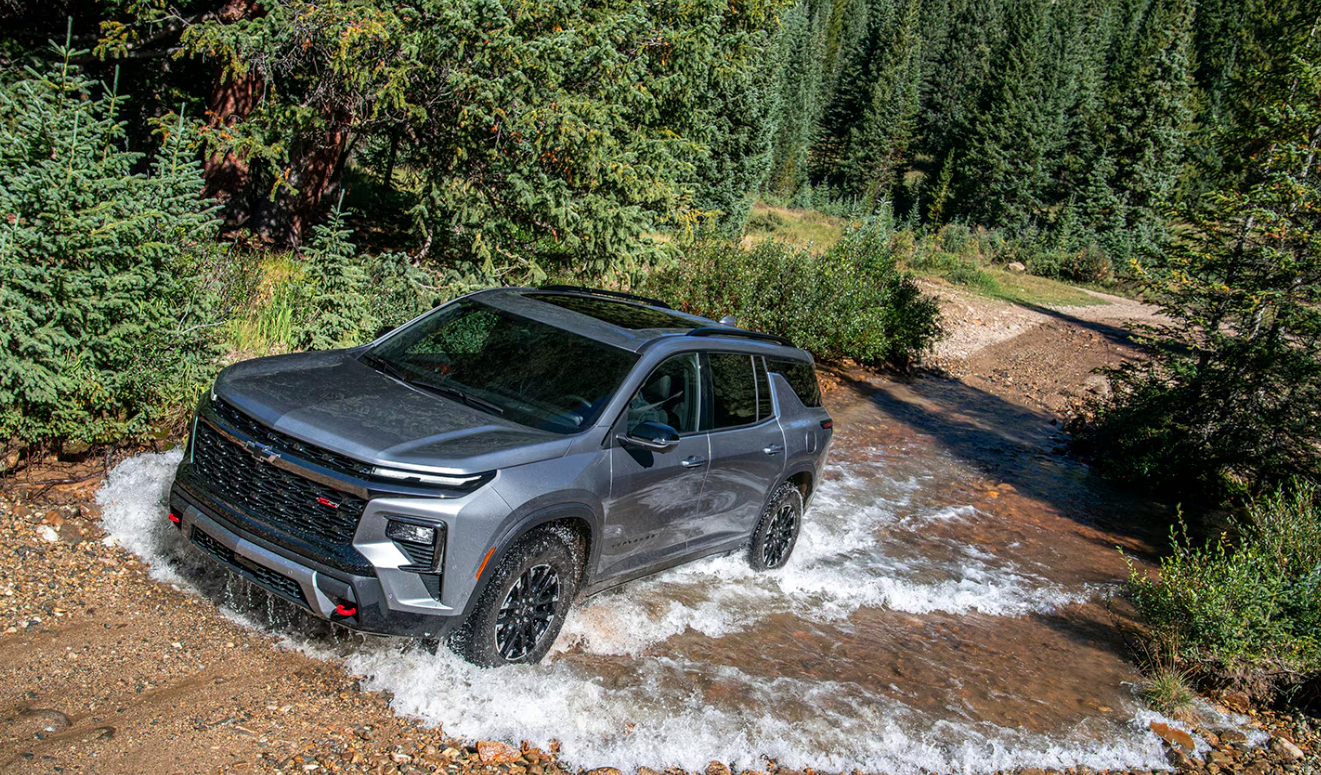
Family Chevrolet SUV Guide Best 2026 Chevy SUVs for Child Safety and Family Travel in Bartlett Compare the 2026 Chevrolet Equinox, Traverse, Tahoe, and Suburban for child safety, car-seat needs, cargo space, family road trips, and everyday driving around Bartlett and the greater Memphis area. Shop New Chevrolet SUVs Explore Financing Quick Answer: Which 2026 Chevy SUV Is Best for Your Family? The best 2026 Chevrolet SUV for your family depends on how much seating, cargo room, and long-term flexibility you need. Choose the 2026 Chevrolet Equinox for smaller families and strong value, the 2026 Chevrolet Traverse for growing families that need three-row flexibility, the 2026 Chevrolet Tahoe for larger households and towing needs, and the 2026 Chevrolet Suburban for maximum passenger and cargo space. Equinox Best for smaller families, daily commuting, daycare runs, and value-focused shoppers who want strong standard safety features. Traverse Best for growing families that need a third row, more cargo flexibility, and a midsize SUV footprint that still feels manageable. Tahoe Best for larger families that want full-size SUV comfort, towing confidence, and more room for passengers and gear. Suburban Best for maximum cargo space, long family trips, multiple passengers, and households that use every row often. What This Family SUV Guide Covers Chevy Safety Assist features Safety systems by SUV model Car seats and cabin space Family SUV comparison table Local family test drives in Bartlett Best 2026 Chevy family SUV FAQs Compare the best 2026 Chevrolet SUVs for child safety and family travel near Bartlett, TN. This guide reviews the Chevy Equinox, Traverse, Tahoe, and Suburban for safety features, child-seat use, cargo room, passenger space, and family-friendly driving needs at Dobbs Brothers Chevrolet of Bartlett. If you are shopping for the best 2026 Chevrolet SUV for child safety and car-seat-friendly family travel near Bartlett, the short answer is this: the right choice depends on your family size and how quickly your space needs are growing. The 2026 Chevrolet Equinox is the best value pick for smaller families who want strong standard safety tech and a roomy five-passenger layout. The 2026 Chevrolet Traverse is the sweet spot for growing families who want true three-row flexibility without moving into a full-size SUV. The 2026 Chevrolet Tahoe and 2026 Chevrolet Suburban are the strongest answers for larger households, multiple car seats, long-distance travel, and families who want maximum cabin flexibility and cargo room. At Dobbs Brothers Chevrolet of Bartlett, we think family-safety content should do more than repeat generic phrases like advanced safety and roomy interior. Parents want a practical answer. They want to know which SUV makes rear-facing seats easier, which one leaves enough room for backpacks and strollers, which one feels easiest in school pickup traffic, and which one still works two or three years from now when the family routine gets busier. Independent family-focused testing also helps validate Chevrolet’s family-SUV story. In the 2025 Parents Best Family Cars Awards, the Chevrolet Traverse was named Best Mid Size 3-Row SUV, the Chevrolet Equinox was recognized as Best Mid Size 5-Passenger SUV, and Chevrolet Tahoe and Suburban were named Best Full Size 3-Row SUV. That combination of official Chevrolet data and outside family-focused evaluation gives us a useful foundation for this comparison. Chevy Safety Assist Features That Protect Your Family Key Takeaway: Chevrolet’s family-SUV safety strength starts with standard Chevy Safety Assist, then scales upward with additional visibility, braking, parking, and highway-support features as you move from Equinox to Traverse, Tahoe, and Suburban. Safety is the first filter for most family-SUV buyers, and Chevrolet makes that easier to understand because it starts with a shared safety language. Chevy Safety Assist includes major features such as Automatic Emergency Braking, Front Pedestrian Braking, Lane Keep Assist, Forward Collision Alert, Following Distance Indicator, and IntelliBeam. These features address situations families see often, including stop-and-go traffic, momentary distraction, darker suburban roads, parking lots, intersections, and school zones. The Equinox builds on that foundation with over 15 standard safety and driver assistance features. Chevrolet lists standard Side Bicyclist Alert, Adaptive Cruise Control, Rear Park Assist, HD Rear Vision Camera, Lane Change Alert with Side Blind Zone Alert, and Rear Cross Traffic Braking on the 2026 Equinox, with available upgrades such as Rear Pedestrian Alert, Traffic Sign Recognition, and Rear Camera Mirror. The Traverse moves beyond that with over 20 standard safety and driver assistance features. Chevrolet highlights Front Pedestrian and Bicycle Braking, Blind Zone Steering Assist, Rear Cross Traffic Braking, Automatic Emergency Braking, and Safety Alert Seat on the 2026 Traverse. This is where the Traverse separates itself as a family-centered midsize three-row SUV instead of simply a roomy one. Tahoe and Suburban add an even more extensive full-size-SUV safety story. Chevrolet says both offer a suite of standard safety and driver assistance features, including Intersection Automatic Emergency Braking with Enhanced Automatic Emergency Braking, Enhanced Automatic Parking Assist, Reverse Automatic Braking with Rear Cross Traffic Braking, Adaptive Cruise Control, HD Surround Vision, Rear Pedestrian Alert, Blind Zone Steering Assist, and Safety Alert Seat. Why Chevy Safety Assist Matters for Parents Parents often hear Chevy Safety Assist described as a package, but the value is easier to see if you connect each feature to a real parenting use case. Automatic Emergency Braking and Forward Collision Alert matter in stop-and-go traffic, especially in the rushed minutes before school drop-off or after work pickup. Front Pedestrian Braking matters in parking lots, neighborhood streets, and crowded retail areas where movement around the vehicle is unpredictable. Lane Keep Assist and Following Distance Indicator help reduce the chance that fatigue or distraction turns into a bigger mistake on longer drives. IntelliBeam sounds simple, but easier lighting management on darker roads is a convenience that many drivers appreciate more over time than they expect. Three Reasons Chevy Safety Assist Matters for Parents It covers common family-driving risk zones, including front-end conflict, pedestrian conflict, lane drift, and night visibility. It gives value-focused buyers in Equinox access to strong standard protection without forcing a premium trim purchase. It creates a familiar safety foundation across the Chevrolet SUV lineup, which makes upgrading within the brand easier for growing families. How Safety Systems Differ Across Equinox, Traverse, Tahoe, and Suburban The 2026 Equinox is the best entry point if your household wants strong safety coverage without stepping into a larger footprint or budget. Chevrolet starts it at $28,800, gives it an 11.3-inch touchscreen, and includes over 15 standard safety and driver assistance features. That makes Equinox a strong answer for smaller families, especially if your routine is more commuting, daycare pickup, errands, and moderate cargo than heavy travel or multiple-row seating. The 2026 Traverse is the step-up answer for families that need more space without jumping to full-size ownership. Chevrolet starts it at $40,800, offers available seating for up to eight, delivers best-in-class 98 cubic feet of max cargo room, and includes over 20 standard safety and driver assistance features. In practice, that makes Traverse the family-growth choice. The 2026 Tahoe and 2026 Suburban are different again. Tahoe starts at $60,700 and offers up to 9 seats with 122.7 cubic feet of max cargo room. Suburban starts at $63,700 and also offers 8 standard seats with available 7- and 9-passenger configurations, plus best-in-class 144.5 cubic feet of max cargo room. These two full-size SUVs are for buyers who know they need bigger solutions. The Missing Piece Competitors Often Ignore: Safety Plus Cabin Usability One of the biggest weaknesses in competitor content is that it treats safety as a checklist and cabin space as a separate category. Families do not use vehicles that way. Safety and usability are connected. A child seat that forces the front seat too far forward changes comfort. A third row that is hard to reach changes how often you use it. A cargo area that disappears once every seat is occupied changes whether you can carry the stroller, team bag, groceries, and overnight gear all at once. That is why Equinox is not automatically the less safe family option just because it is smaller, and why Tahoe or Suburban are not automatically the best family options just because they are larger. Equinox is excellent if your family size and cargo load stay within compact-SUV reality. Traverse is excellent if your family is growing into the stage where a third row and bigger cargo reserve solve real problems. Tahoe and Suburban are excellent when width, height, towing, and long-trip comfort become part of the decision. Car Seat Compatibility and Cabin Space by Model Key Takeaway: For child-seat use and family travel, Equinox is the smart compact option, Traverse is the best overall growth-stage choice, Tahoe is the strong full-size family mover, and Suburban is the maximum-space answer. Car-seat compatibility is one of those topics that parents care about deeply and the automotive internet often handles poorly. The more responsible way to approach it is to combine official packaging data with credible family-use testing. On the official Chevrolet side, Equinox gives you 63.5 cubic feet of max cargo room, an 11.3-inch touchscreen, and a five-passenger cabin. Traverse gives you available seating for up to eight and 98 cubic feet of max cargo room. Tahoe offers up to nine seats and 122.7 cubic feet of max cargo space. Suburban increases that to 144.5 cubic feet, with 41.5 cubic feet still available behind the third row. The outside evidence helps sharpen the picture. Cars.com’s 2025 Car Seat Check on the redesigned current-generation Equinox praised the rear legroom and easy-access anchors, but said three car seats did not fit and that the booster seat setup was more difficult. That tells us the Equinox can be very good for smaller-family car-seat use, but parents expecting frequent three-across flexibility should test with their own seats before committing. Traverse gets a stronger family-space case from both official packaging and outside family testing. Parents specifically highlighted slide-and-tilt center seats, easy lower anchors, a roomy third row, overhead air vents, USB ports, and 23 cubic feet of cargo space including underfloor storage in its family-focused assessment. Chevrolet’s own model information reinforces that with available seating for up to eight and best-in-class 98 cubic feet of max cargo volume. Equinox vs Traverse for Growing Families Equinox and Traverse are the two Chevrolet SUVs that many Bartlett parents will compare most closely, because they sit on either side of the “we are growing out of this” line. Equinox is easier on the budget, easier to park, and easier to justify if your family is still small. Chevrolet starts it at $28,800, and it already includes over 15 standard safety and driver assistance features, plus modern screens and solid cargo flexibility for a compact SUV. Traverse becomes the better answer once the family routine asks for more than a compact SUV can comfortably manage. It starts at $40,800, brings up to eight seats, and adds best-in-class 98 cubic feet of cargo volume plus over 20 standard safety and driver assistance features. More important than the numbers is what they mean in daily use. Traverse makes it easier to separate passengers and gear, keep a third row in play, and handle the transition from young family to growing family. For many buyers, the real question is timing. Do you buy Equinox now because it fits today, or move up to Traverse because you know your family will need the space soon? If your family is still clearly within compact-SUV needs, Equinox is a smart, safe, value-oriented choice. If you already feel the edges of that space, or know another child, more carpooling, or more travel is on the horizon, Traverse is often the better long-range decision. Family SUV Comparison Table Model Starting MSRP Seats Max Cargo Volume Standard Safety Positioning Best Family Fit 2026 Chevrolet Equinox $28,800 5 63.5 cu. ft. Over 15 standard safety and driver assistance features, including Chevy Safety Assist Small families, daycare runs, commuting, lighter travel 2026 Chevrolet Traverse $40,800 Up to 8 98 cu. ft. Over 20 standard safety and driver assistance features Growing families, multiple child seats, road trips, carpools 2026 Chevrolet Tahoe $60,700 8 standard, 7 or 9 available 122.7 cu. ft. Broad suite of standard safety and driver assistance features Large families, frequent third-row use, towing plus family duty 2026 Chevrolet Suburban $63,700 8 standard, 7 or 9 available 144.5 cu. ft. Broad suite of standard safety and driver assistance features Biggest families, longest trips, max cargo behind all rows Table based on official 2026 Chevrolet model information for Equinox, Traverse, Tahoe, and Suburban. Tahoe vs Suburban for Larger Households Tahoe and Suburban are close relatives, but for family buyers the space difference is very real. Chevrolet lists Tahoe at 211.3 inches long with 122.7 cubic feet of max cargo room and up to 9 seats. Chevrolet lists Suburban at 226.3 inches long with 144.5 cubic feet of max cargo room and 41.5 cubic feet behind the third row, plus the same 8 standard seats and 7- or 9-passenger available configurations. For child-seat-heavy families, both models offer real advantages over smaller SUVs because there is more width, more third-row viability, and more room for passengers plus cargo together. Tahoe can be the better answer for families who want full-size capability without maxing out the footprint. Suburban is the better answer if you do long family trips, carry a lot of luggage, or want the peace of mind that comes from having meaningful cargo room even when all rows are in use. Simple Family Fit Rules Choose Equinox if your family is smaller and you want strong value and easier daily maneuverability. Choose Traverse if you need a real third row and more growth room without moving into full-size SUV size or price. Choose Tahoe or Suburban if multiple car seats, full-family travel, towing, and major cargo volume are regular parts of your life. Find Family-Friendly Chevy SUVs at Dobbs Brothers Chevrolet of Bartlett Key Takeaway: The best family SUV decision happens when you compare safety, seating, cargo, and car-seat fit in person at Dobbs Brothers Chevrolet of Bartlett, not just on a spec chart. At Dobbs Brothers Chevrolet of Bartlett, we recommend shopping for a family SUV with your real family tools, not just your imagination. Bring the child seats you use. Bring the stroller if that is part of daily life. Sit in the second and third rows, not just the driver seat. Look at how much cargo room is left once the seats you need are occupied. Parents often find the right Chevrolet SUV faster when they test the real family fit instead of trying to estimate it from a general article or a few measurements online. There is also real value in seeing these SUVs back to back. Equinox may be exactly right for your current stage. Traverse may feel like the relief valve your family has needed. Tahoe and Suburban may show you that the jump to full-size is either completely worth it or more than you really need. This is the kind of decision that becomes much easier in person, especially once you connect Chevrolet’s official safety features and cargo numbers to your own car seats, your own passengers, and your own plans. You can also start on our website before heading to our Bartlett showroom. Check current Chevrolet inventory, review available shopping tools, and narrow your list before your visit. Then come see us at 7850 HWY 64 and compare Equinox, Traverse, Tahoe, and Suburban with a family-first lens. Why Local Family Test Drives Matter in Bartlett A family-SUV decision in Bartlett is not exactly the same as a family-SUV decision in a dense downtown or a wide-open rural market. Here, many families want a vehicle that can handle school traffic, errands, retail parking lots, family visits, sports practice, and regional road trips without feeling stressful. That is why the compact-versus-midsize-versus-full-size choice matters so much. Our Certified Service Technicians at Dobbs Brothers Chevrolet of Bartlett also matter in this conversation because family safety does not stop at the purchase. Tire condition, brakes, cameras, sensors, and regular maintenance all play a role in keeping a family SUV ready for school-week miles and long-trip miles. Compare Family-Friendly Chevy SUVs in Bartlett Review available Chevrolet Equinox, Traverse, Tahoe, and Suburban models, estimate financing, and contact Dobbs Brothers Chevrolet to plan a family-focused test drive near Bartlett, TN. Shop New SUVs Explore Financing Contact Us Best 2026 Chevy Family SUV FAQs Which 2026 Chevrolet SUV is best for multiple car seats? For many families, the 2026 Chevrolet Traverse is the best all-around answer for multiple car seats because it gives you available seating for up to eight, flexible second-row seating options, and best-in-class 98 cubic feet of max cargo volume without stepping into full-size SUV size or pricing. Families that need even more space may prefer the Tahoe or Suburban. Is the 2026 Chevrolet Equinox big enough for a young family? Yes. The 2026 Chevrolet Equinox can be an excellent fit for a young family, especially if you have one or two children and want a more affordable, easier-to-park SUV with strong standard safety features. It offers 63.5 cubic feet of max cargo volume, a roomy compact SUV layout, and over 15 standard safety and driver assistance features. Should large families choose the 2026 Tahoe or the 2026 Suburban? Large families should usually choose Tahoe if they want full-size SUV space and flexibility without going all the way to the largest footprint in the lineup. Choose Suburban if you need maximum cargo room behind all three rows, more road-trip luggage space, or the most room Chevrolet offers in an SUV. Which 2026 Chevy SUV is best for growing families? The 2026 Chevrolet Traverse is often the strongest growth-stage choice because it offers three-row flexibility, seating for up to eight, and strong cargo capacity while staying more manageable than a full-size Tahoe or Suburban. Where can I compare family-friendly Chevy SUVs near Memphis? You can compare family-friendly Chevrolet SUVs at Dobbs Brothers Chevrolet in Bartlett, TN. The dealership serves families from Bartlett, Memphis, Germantown, Collierville, Arlington, Lakeland, and surrounding West Tennessee communities.

2026 chevy colorado

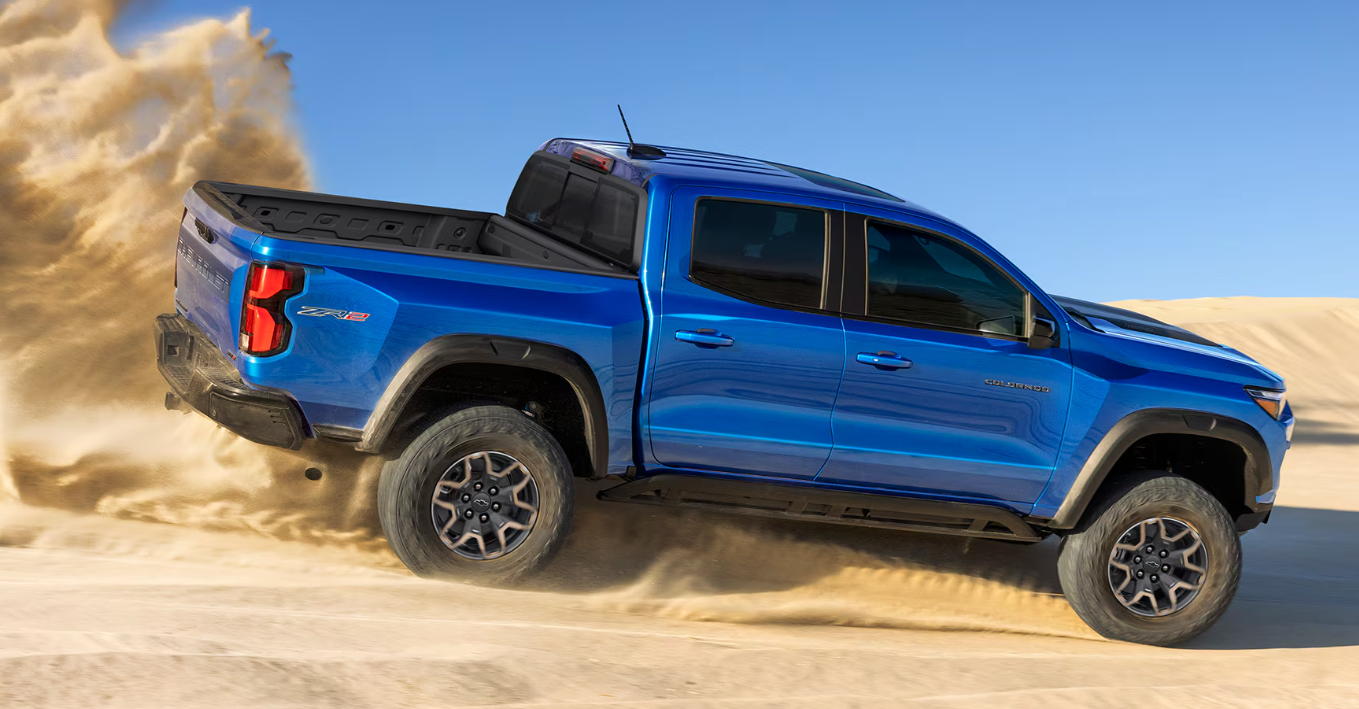
2026 Chevrolet Colorado Off Road Features and Trail Boss

Updated September 2026 Quick answer: Every 2026 Chevrolet Colorado shares the same 2.7L TurboMax engine, so the off-road trims differ in hardware, not power. Trail Boss is the value pick with a 2-inch lift and 32-inch all-terrain tires. Z71 adds more upscale styling with trail-ready drive modes. ZR2 is the serious trail truck with a 3-inch lift, 33-inch mud-terrain tires, Multimatic DSSV dampers, and an exclusive Baja mode. If towing matters most, Trail Boss or Z71 is usually the better fit than ZR2. If you want a midsize truck near Bartlett with real off-road hardware, not just rugged styling, the 2026 Colorado deserves a close look. It is built for owners who need one truck for weekday commuting, towing, muddy jobsite access, boat ramps, hunting land, and camping weekends without moving up to a full-size pickup. This guide focuses on the three trail-oriented trims: Trail Boss, Z71, and ZR2. If you are also considering WT or LT, see our 2026 Colorado trim levels guide. In this guide Trail Boss vs Z71 vs ZR2 at a glance TurboMax power on every trim Drive modes and what they do Towing and bed utility Off-road accessories worth considering Which Colorado fits your routine Colorado off-road FAQ Trail Boss vs Z71 vs ZR2 at a Glance Key takeaway: Trail Boss, Z71, and ZR2 are three different answers to the same question. The right one depends on how often you leave pavement and how much you tow. Best value Trail Boss 2-inch factory lift 32-inch all-terrain tires Off-Road and Terrain modes 2-speed auto transfer case with shielding Weekend trails, dirt roads, and hunting land with everyday manners. Most refined Z71 All-terrain tire setup Off-Road and Terrain modes Off-road performance display More upscale exterior and interior details Daily drivers who want trail capability with a more polished feel. Most capable ZR2 3-inch factory lift 33-inch mud-terrain tires Multimatic DSSV dampers Exclusive Baja drive mode Frequent, demanding off-road use straight from the factory. Trail Boss is not just a cheaper ZR2. It is the truck for buyers who want a lifted stance, useful traction hardware, and real tire sidewall without paying for race-grade dampers they may never fully use. Z71 shares much of the Trail Boss trail toolkit but leans toward daily comfort and style. If most of your miles are on pavement and your weekends include dirt roads or trailheads, Z71 deserves a serious look. ZR2 is the purpose-built option. If your plans include rocks, ruts, washouts, or high-speed desert-style driving, its suspension and tire package earn the premium. Chevrolet also offers the ZR2 Bison for buyers who want even more clearance and skid-plate protection, including up to a 4.5-inch lift for best-in-class ground clearance. 1 TurboMax Power on Every Trim 310 hp 2.7L TurboMax, standard 430 lb-ft Best-in-class standard torque 1 8-speed Automatic transmission Every 2026 Colorado uses the same 2.7L TurboMax four-cylinder, so you do not need the most expensive trim to get strong truck torque. For off-road use, that 430 lb-ft figure matters more than horsepower. Torque is what helps the truck pull through mud and sand, climb grades, turn larger tires, and tow without strain. There is no V6 option for 2026. Some buyers still assume a turbo four is a downgrade, but in the Colorado the TurboMax delivers more torque than many older V6 midsize trucks. The off-road trims win on suspension, tires, and software, not on engine output. Colorado Drive Modes and What They Do Drive modes are the software side of Colorado's off-road capability. Each mode adjusts how the truck delivers power and manages traction for the surface you are on. Drive mode Best for Availability Normal Everyday driving All trims Tow/Haul Towing or hauling heavy loads Available Off-Road Loose surfaces like grass, mud, gravel, or deep snow Trail Boss, Z71, ZR2 Terrain Steep hills and crawling over obstacles; can apply the brakes automatically for climbing control Trail Boss, Z71, ZR2 Baja Sandy terrain, with tuned power delivery, stability, and traction control ZR2 only This matters around West Tennessee, where one week can include Highway 64 traffic, gravel access roads, a muddy boat ramp, and a rain-soaked field. Cameras That Help on the Trail Colorado offers available underbody cameras and up to 10 camera views. 2 On the trail, those views help you place tires around rocks and ruts. At home, they make it easier to line up a trailer or check the bed. Every Colorado also includes an 11.3-inch center touchscreen, a best-in-class standard 11-inch Driver Information Center, 1 and Google built-in. 3 Colorado Towing and Bed Utility Key takeaway: The most capable off-road Colorado is not the best towing Colorado. If you tow often, Trail Boss or Z71 is usually the smarter pick. The 2026 Colorado tows up to 7,700 lbs when equipped with the Advanced Trailering Package. 4 The ZR2 carries a lower rating because its off-road suspension and tire package are tuned for the trail. Its lower rating is a trade-off, not a flaw. If you tow a boat, utility trailer, or side-by-side more often than you tackle difficult trails, Trail Boss or Z71 will likely serve you better. About towing ratings: Maximum figures apply only to specific configurations. Passengers, cargo, and accessories reduce what you can safely tow. We can confirm the exact rating for any Colorado by VIN. The bed is where Colorado earns its keep at the campsite, trailhead, or jobsite: Up to 17 available tie-downs Mid-position tailgate that supports up to 500 lbs 5 Available StowFlex tailgate storage Cargo bed lighting and a built-in tailgate measurement tool Available built-in 120-volt power outlet Off-Road Accessories Worth Considering Genuine Chevrolet accessories let you tailor a Colorado to how you actually drive while keeping factory fit and finish. Popular options for outdoor owners include: Recovery gear: recovery hooks and an off-road recovery kit for trips away from pavement Bed organization: cross rails, tie-down rings, bed slides, and a tailgate organizer Access and protection: assist steps and rocker protectors that respect ground clearance Lighting: bed lighting and sport-bar-mounted off-road lights for early loading and campsites Not every Colorado needs a full expedition build. For many owners, the smart path is simple: floor protection, the right steps, cargo management, and recovery gear that matches the places you really drive. Ask our team which accessories are available for the truck you are considering. Which Colorado Off-Road Trim Fits Your Routine? Trail Boss You want real trail hardware, strong towing, and the best off-road value. Z71 Most of your miles are on pavement, but you want trail modes and a more refined feel. ZR2 You go off-road often and want a factory setup that needs no aftermarket suspension work. WT or LT You need a midsize truck for work and commuting, and off-road hardware is not a priority. Colorado fits many Bartlett, Memphis, Germantown, Collierville, Arlington, and Lakeland drivers because it sits in a useful middle ground. It offers real towing, bed utility, and credible trail hardware without the footprint of a full-size Silverado. That makes it easier to live with in suburban parking lots and daily traffic. The fastest way to decide is to sit in Trail Boss, Z71, and ZR2 back to back. Pay attention to ride height, step-in height, tire feel, and how the camera views work for you. 2026 Chevrolet Colorado Off-Road FAQ Is the 2026 Colorado Trail Boss good enough for most off-road buyers? Yes. For many buyers, Trail Boss is more than enough. It includes a 2-inch factory lift, 32-inch all-terrain tires, Off-Road and Terrain drive modes, and a 2-speed auto transfer case with shielding. That covers dirt roads, hunting land, camping, and muddy access without paying for ZR2's specialized suspension. What is the difference between the Colorado ZR2 and Trail Boss? ZR2 is more specialized. It steps up from Trail Boss's 2-inch lift and 32-inch all-terrain tires to a 3-inch lift, 33-inch mud-terrain tires, Multimatic DSSV dampers, and an exclusive Baja drive mode. Trail Boss is the balanced choice for mixed use. ZR2 is for buyers who expect to use serious off-road capability often. What is the difference between the Colorado Trail Boss and Z71? Both offer Off-Road and Terrain drive modes. Trail Boss leans toward rugged value with its 2-inch lift and 32-inch all-terrain tires. Z71 leans toward everyday refinement with more upscale exterior and interior details. Choose Trail Boss for a tougher stance and Z71 for a more polished daily driver. How much can the 2026 Chevrolet Colorado tow? The 2026 Colorado tows up to 7,700 lbs when equipped with the Advanced Trailering Package. The ZR2 has a lower rating because of its off-road tuning. If towing is a top priority, Trail Boss or Z71 is usually the better choice. Does the 2026 Chevrolet Colorado have a V6? No. Every 2026 Colorado uses the 2.7L TurboMax four-cylinder with 310 horsepower and 430 lb-ft of torque, paired with an 8-speed automatic transmission. Compare Colorado Trims in Bartlett Visit Dobbs Brothers Chevrolet at 7850 HWY 64, Bartlett, TN 38133. Our team can line up Trail Boss, Z71, and ZR2 side by side, confirm towing ratings, and walk you through financing and trade-in options. Shop 2026 Colorado Inventory Schedule a Test Drive Related Chevrolet Guides 2026 Chevrolet Colorado Trim Levels Explained WT, LT, Trail Boss, Z71, and ZR2 compared for daily use. Value Your Trade Get an estimate before you visit. Get Pre-Approved Start financing online. Chevrolet Service in Bartlett Keep your Colorado ready for workdays and weekends. 1. Based on latest available competitive data. Excludes other GM vehicles. 2. Some camera views require available accessory camera and installation. 3. Google built-in services are subject to limitations and availability may vary. Select service plan required. 4. Requires Colorado with Advanced Trailering Package. Before towing, review the Trailering section of the Owner's Manual. The weight of passengers, cargo, and options may reduce what you can tow. 5. Cargo and load capacity limited by weight and distribution.

2026 chevy traverse

2026 Chevrolet Traverse Features and Family Amenities near Bartlett, TN

If you are shopping for a three-row SUV near Bartlett, the 2026 Chevrolet Traverse stands out because it gives families the space, screen size, safety tech, and real cargo flexibility that many midsize crossovers promise but do not always deliver in daily use. The official Chevrolet numbers back that up with seating for up to eight, best-in-class maximum cargo volume of 98 cubic feet, a standard 17.7-inch touchscreen, an 11-inch Driver Information Center, a turbocharged 2.5L engine making 328 horsepower and 326 lb-ft of torque, and standard towing capacity of up to 5,000 pounds with included trailering equipment. At Dobbs Brothers Chevrolet of Bartlett, that matters because local buyers are often balancing school runs, Highway 64 traffic, Memphis commutes, sports gear, and weekend travel in one vehicle. A lot of competitor articles stop at broad claims about room, style, and family comfort. The stronger question is how the Traverse actually solves the pressure points a Bartlett family feels every week: how easy it is to reach the third row, whether the cabin technology is simple instead of distracting, how the safety systems work in traffic, and which trim makes the most sense for your budget. That is where the 2026 Traverse earns its case. Chevrolet currently lists four verified trims for 2026, LT, Z71, High Country, and RS, so this article uses the live trim set rather than older or speculative naming. At Dobbs Brothers Chevrolet of Bartlett, we also look at the Traverse through a local ownership lens, not just a brochure lens. Our dealership at 7850 HWY 64 serves Bartlett, Memphis, Germantown, Collierville, Arlington, and Lakeland, and our team supports shoppers with financing tools, specials, test-drive scheduling, trade appraisal, and Chevrolet Certified Service support after the sale. For a family SUV, that local support matters almost as much as the spec sheet, because the right vehicle should stay easy to live with long after the first drive home. Table of Contents What Makes the 2026 Traverse Stand Out Turbo Power, Chassis Tuning, and Daily Drivability Cabin Technology That Works for Families How the Traverse Safety Systems Add Real Confidence Three Row Seating and Family Friendly Features Space, Seating Flexibility, and Cargo Utility Traverse RS and Z71 Trim Highlights Detailed 2026 Traverse Technical Comparison Table Test Drive the 2026 Traverse at Dobbs Brothers Chevrolet Why the Traverse Fits Life in Bartlett 2026 Chevrolet Traverse FAQs for Bartlett SUV Shoppers What Makes the 2026 Traverse Stand Out Key Takeaway: The 2026 Chevrolet Traverse stands out because it combines real three-row family space with strong turbo torque, big-screen technology, verified towing muscle, and a trim lineup that gives buyers a clear choice between value, rugged style, and premium comfort. The strongest competitor articles usually mention the same baseline talking points: bold redesign, roomy interior, large touchscreen, and family appeal. That baseline is valid, but it still leaves out why the Traverse feels more resolved than many three-row SUVs in daily life. Chevrolet did not just make the vehicle look tougher. The brand paired that look with a powertrain that delivers 328 horsepower and 326 lb-ft of torque through an eight-speed automatic, while also preserving everyday family priorities like available eight-passenger seating, flexible second-row choices, and a very large cargo hold. Even review outlets that criticize the Traverse for not being especially sporty still give it credit for passenger room, class-leading cargo, and useful tech. That is the right frame for a family SUV near Bartlett. This vehicle is not trying to be a track machine. It is trying to move people, gear, and plans with less compromise. Another difference is how Chevrolet has positioned the trim walk. LT is the practical family value choice. Z71 adds the rugged hardware and software features many buyers associate with the more adventurous look they want. High Country leans premium. RS adds blacked-out visual attitude and a more street-focused identity. Turbo Power, Chassis Tuning, and Daily Drivability The 2026 Traverse uses a turbocharged 2.5-liter engine across the lineup, and the key number for family buyers is not just horsepower. It is torque. Chevrolet rates the SUV at 326 lb-ft, which is what helps the Traverse feel more useful when merging onto I-40, carrying a full cabin, or pulling away from a stop with passengers and cargo onboard. For many Bartlett-area drivers, that low-end shove matters more than a flashy zero-to-sixty claim. It means less strain during ramp acceleration, less need to bury the throttle in city traffic, and more confidence when your SUV is loaded for a road trip or sports weekend. Chevrolet also rates the Traverse for a standard 5,000 pounds of towing capacity with included trailering equipment, which is a meaningful number for families hauling small trailers, utility loads, or recreational gear. Chevrolet pairs that engine with an eight-speed automatic transmission, and that matters because family SUVs live in a wide band of driving situations. They idle through school pickup lines, cruise suburban arterials, handle rougher pavement, and then spend real time on the highway. The transmission needs to respond cleanly without hunting for gears or making the vehicle feel busy. Chevrolet’s own capability summary also points to improved performance and greater efficiency versus the previous V6 generation, which is exactly the kind of engineering tradeoff most family buyers actually want. The old formula of “bigger engine equals better SUV” is not always true anymore. In this case, Chevrolet is leaning into strong usable torque, modern turbo efficiency, and packaging advantages rather than nostalgia for six cylinders. The Z71 trim adds more specialized hardware for buyers who want a tougher setup without moving into a body-on-frame SUV. Chevrolet lists Terrain Mode, Hill Descent Control, an advanced twin-clutch AWD system, off-road suspension, skid protection, and all-terrain tires on Z71. That does not turn the Traverse into a rock crawler, but it does give buyers in Tennessee a more capable route for uneven roads, campground access, muddy shoulders, and light-trail family travel. For many shoppers, that is the smarter middle ground. You get more capability than a standard pavement-first crossover without committing to the size, fuel appetite, or pricing of a Tahoe or Suburban. A few engineering points matter most for shoppers comparing the Traverse to the rest of the Chevrolet SUV family: The Traverse gives you more true passenger and cargo flexibility than Equinox while staying easier to live with than Tahoe or Suburban for many suburban garages and school parking lots. Z71 gives rugged capability inside the unibody midsize class, which helps buyers who want more than appearance but do not need full-size truck-based hardware. The turbo four is not a downgrade if your priority is torque delivery, family packaging, and overall usability rather than old-school cylinder count alone. Cabin Technology That Works for Families One of the biggest reasons the Traverse deserves more attention than many competitor summaries give it is the cabin interface. Chevrolet makes the 17.7-inch diagonal touchscreen standard, along with an 11-inch Driver Information Center, and that changes the ownership experience more than many buyers first realize. A large screen is not just a style statement. It affects route guidance readability, camera visibility, media control, and how quickly a driver can find the function they need without too much menu diving. Chevrolet also includes Google built-in compatibility for Google Assistant, Google Maps, and Google Play. For families who rely on live traffic routing, hands-free voice prompts, and connected navigation, that is a practical advantage, not just a luxury talking point. This is also one of the areas where the Traverse can age better into the next few years than some rivals that still feel caught between analog and digital layouts. The strongest family vehicles are not the ones with the most features on paper. They are the ones whose features keep feeling intuitive over time. A large, clean display area, a separate digital driver information layout, and integrated Google-based navigation reduce the learning curve for the daily driver and make handoff to a spouse or other family member easier. That matters for a household vehicle. It also helps resale confidence, because a modern buyer looking at a used 2026 Traverse in 2028 is much less likely to feel like the cabin already belongs to a previous tech era. That long-view ownership angle is rarely covered well in ranking articles, but it is part of real value. Chevrolet also adds meaningful convenience details around the cabin. The AutoSense Power Liftgate is designed to recognize your presence and open without the usual awkward foot-kick routine. Available seating for up to eight gives the Traverse more flexibility than many three-row crossovers that quietly steer buyers toward captain’s chairs and lower seat counts. Smart Slide seating and one-touch fold functions on higher trims also make third-row access easier, which matters a lot if your SUV carries children, grandparents, or a mix of both. On RS and High Country, the power-folding second- and third-row arrangements add even more everyday convenience when you are switching between passenger duty and cargo duty. The most useful family tech advantages can be summarized simply: Big displays improve camera use, map visibility, and confidence in unfamiliar traffic. Google built-in makes navigation and voice commands feel more natural for drivers who already live in the Google ecosystem. One-touch seating and liftgate tech reduce small daily annoyances, and those annoyances are exactly what shape long-term satisfaction in a family SUV. How the Traverse Safety Systems Add Real Confidence Chevrolet says the 2026 Traverse includes Chevy Safety Assist and more than 20 standard safety and driver assistance features, plus additional available systems such as Rear Pedestrian Alert, Adaptive Cruise Control, Side Bicyclist Alert, and Intersection Automatic Emergency Braking. The core point here is that the Traverse is not relying on a single flashy feature to create its safety story. It uses a layered approach. Chevy Safety Assist itself includes six major systems, such as Automatic Emergency Braking, Front Pedestrian Braking, Lane Keep Assist with Lane Departure Warning, Following Distance Indicator, Forward Collision Alert, and IntelliBeam automatic high beams. For family buyers, that layered structure matters more than marketing jargon because it means the SUV is watching several risk zones at once. The real value of modern safety tech is not perfection. It is support. Intersection Automatic Emergency Braking can help in one of the most stressful suburban risk zones, where cross-traffic conflicts happen quickly. Rear Pedestrian Alert matters in parking lots, neighborhood driveways, and crowded after-school environments. Side Bicyclist Alert is especially relevant as more mixed-use traffic environments put bikes, pedestrians, and vehicles closer together. Lane Keep Assist helps with momentary drift, not as a substitute for attention, but as a backup layer when the road or the day gets noisy. These systems do not replace a careful driver. They reduce the chance that one brief lapse becomes a bigger event. That is a meaningful difference for the family vehicle that handles your busiest miles. Available Super Cruise also adds a premium technology angle for buyers stepping into RS or High Country, where Chevrolet includes it through the Enhanced Driving Package. Chevrolet says Super Cruise can operate on more than 585,000 miles of compatible roads in the U.S. and Canada. That is especially relevant for households that spend a lot of time on highway travel. It is not an invitation to disengage. It is a driver assistance technology designed to reduce fatigue in the right conditions. Review outlets have paid a lot of attention to the feature because it helps move the Traverse upward in perceived sophistication, but the more important point for shoppers is simpler: if your family does a lot of regional driving, it can make the long-haul part of ownership feel less draining. Three Row Seating and Family Friendly Features Key Takeaway: The 2026 Traverse wins the family-utility argument because it pairs adult-usable space, real cargo volume, flexible seating choices, and sensible trim differences in a way that makes everyday ownership easier, not just more impressive on paper. Family shoppers rarely buy a three-row SUV because they want a third row in the abstract. They buy one because their life is becoming more complicated. More kids. More gear. More carpools. More road trips. More occasions where a two-row SUV starts to feel tight before the day even begins. The Traverse answers that growth phase with available seating for up to eight, 98 cubic feet of maximum cargo volume, Smart Slide access, and folding flexibility that lets one vehicle handle passenger movement and cargo movement without drama. Competitor articles usually mention those features in isolation. The stronger way to understand them is as a packaging system. Chevrolet has built the Traverse around the idea that family use changes by the hour. Morning school duty is not the same as Costco duty, and that is not the same as a weekend tournament trip. This SUV is at its best when it has to switch roles fast. That is also where the Traverse makes a stronger case than many midsize rivals. Cargo volume behind the first row is one thing, but the path from entry to seat folding to load floor usability matters just as much. If the third row is hard to access or the fold operation is clumsy, the SUV loses value in real family life. Chevrolet has addressed that with Smart Slide functionality and, on RS and High Country, one-touch and power-fold seat functions that reduce the friction of constant reconfiguration. The result is a vehicle that feels more honest about how families actually use space. It is not just about being big. It is about being easy to rearrange. Space, Seating Flexibility, and Cargo Utility Chevrolet gives the Traverse a wheelbase of 121 inches and overall length of 204.5 inches, which helps explain why it can deliver real second-row and third-row usability without jumping into full-size SUV territory. The official dimension set also lists second-row leg room at 41.4 inches and front leg room at 44.3 inches. Those are the kinds of numbers that translate into real comfort for taller passengers and less compromise when front-seat occupants need to move back. For parents, that can also mean easier child-seat placement and less front-seat intrusion. A lot of midsize three-row SUVs technically have a third row, but the question is whether people want to use it. The Traverse has a better argument there because its size and seating geometry support frequent use rather than occasional emergency use. Cargo utility is where the Traverse often separates itself in the segment. Chevrolet lists best-in-class maximum cargo volume at 98 cubic feet, and multiple review sources still call out class-leading cargo room as one of the Traverse’s strongest assets. That matters more than styling hype because cargo room is one of the last things families can fake. If a stroller, folding wagon, groceries, sports bags, and overnight luggage all need to coexist, the vehicle either works or it does not. Buyers who do not want to jump to a full-size Tahoe or Suburban often land on the Traverse because it closes more of that practical gap than many midsize rivals. Inside the Chevrolet lineup, that is an important point. The Equinox is easier to park and cheaper to buy, but it is not meant to solve the same packaging problem. The Tahoe and Suburban offer more towing and presence, but not every Bartlett family wants their family SUV to feel that large every day. The Traverse lives in the middle on purpose, and it is a very smart middle. For daily family utility, these are the biggest packaging wins: Available eight-passenger seating gives more flexibility for carpools and growing families. Smart Slide and one-touch fold features reduce the hassle of reaching the third row. 98 cubic feet of cargo room gives the Traverse one of the strongest “one vehicle for everything” cases in the midsize class. Traverse RS and Z71 Trim Highlights For many Bartlett shoppers, the toughest trim question is not “Should I buy a Traverse?” It is “Which Traverse fits my family best?” The answer starts with LT for value, but the two trims that tend to pull the most attention are Z71 and RS. Z71 is the better fit for buyers who want more than appearance. Chevrolet gives it Terrain Mode, Hill Descent Control, advanced twin-clutch AWD, off-road suspension, skid protection, and all-terrain tires. If your family likes campground access roads, rough weather confidence, or a more rugged feel without moving into a truck-based SUV, Z71 is the honest capability choice. It is also the right correction to older content that references an “Active” trim. Chevrolet’s verified 2026 lineup uses Z71 as the adventure-oriented Traverse. RS is the better fit for buyers who want the Traverse to feel more premium and more assertive on the street. Chevrolet gives RS blackout exterior details, RS badging, a flat-bottom steering wheel, red décor, 22-inch black-painted aluminum wheels, and a three-year OnStar One Super Cruise plan. It is the trim for buyers who want family function without giving up a more athletic visual identity. That matters in this segment because many three-row SUVs still force buyers to choose between “practical” and “interesting.” The RS makes a more stylish case while keeping the same basic family strengths that define the Traverse as a whole. High Country belongs in the conversation too, especially for shoppers who care more about premium convenience than rugged character or blackout styling. Chevrolet adds one-touch second-row fold, power-folding second- and third-row seating, chrome elements, distinctive badging, and 22-inch wheels. Within the Chevrolet family, it also provides a step-up route before a buyer feels pressured to move into Tahoe or Suburban territory. Then, if you cross-shop the wider market, the Traverse still holds a strong value argument. Competitor reviews continue to compare it with the Kia Telluride, Hyundai Palisade, and Toyota Grand Highlander, but the Traverse keeps drawing attention for cargo room, screen presence, and strong family utility. In other words, Chevrolet is not trying to out-luxury every rival. It is building one of the most complete family-use tools in the segment. Detailed 2026 Traverse Technical Comparison Table Specification Traverse LT Traverse Z71 Traverse High Country Traverse RS Starting MSRP $40,800 $48,900 $55,100 $55,400 Engine 2.5L Turbo 2.5L Turbo 2.5L Turbo 2.5L Turbo Horsepower 328 hp 328 hp 328 hp 328 hp Torque 326 lb-ft 326 lb-ft 326 lb-ft 326 lb-ft Transmission 8-speed automatic 8-speed automatic 8-speed automatic 8-speed automatic Seating 7 standard, 8 available 7 7 7 Touchscreen 17.7-inch 17.7-inch 17.7-inch 17.7-inch Driver Display 11-inch 11-inch 11-inch 11-inch Towing Capacity Up to 5,000 lbs Up to 5,000 lbs Up to 5,000 lbs Up to 5,000 lbs Key Utility Edge Value and family packaging Rugged capability Premium convenience Sporty style and premium tech Standout Feature Smart Slide, AutoSense liftgate Twin-clutch AWD, Terrain Mode Power-folding seats, premium trim Super Cruise plan, blackout design Test Drive the 2026 Traverse at Dobbs Brothers Chevrolet Key Takeaway: The best way to judge the 2026 Traverse near Bartlett is to test it in the same kind of family driving you actually do, then back that experience with local dealership support, financing options, and Chevrolet Certified Service after the sale. At Dobbs Brothers Chevrolet of Bartlett, we think local context matters. A three-row SUV that feels great on an empty media route can feel very different on the roads real families use every day. Bartlett buyers deal with school traffic, retail corridors, Highway 64 pace changes, trips toward Memphis, and the kind of stop-and-go movement where visibility, seating access, throttle response, and parking-lot confidence all matter. The Traverse is strong in exactly those areas. It gives a high driving position, easy outward visibility, a large screen for camera and navigation support, and a cabin layout that can absorb both people and clutter without feeling overwhelmed. Even critical third-party reviews that point out some ride or interior-material weaknesses still agree on the vehicle’s core strength: passenger and cargo space remain major assets. That makes the Traverse a smart test-drive candidate for families whose current SUV already feels one size too small. Why the Traverse Fits Life in Bartlett Bartlett is exactly the kind of market where the Traverse makes sense. Many buyers here want room for multiple passengers, but they do not necessarily want to commit to a full-size SUV footprint every day. That is where the Traverse’s midsize profile becomes a real advantage. It gives you more flexibility than smaller Chevrolet SUVs such as Equinox, while staying easier to slot into suburban routines than Tahoe or Suburban for households that are not towing heavy loads or carrying very large crews all the time. Inside the Chevrolet lineup, that makes the Traverse one of the most balanced answers for growing families. Against outside competitors, it remains compelling because cargo room, screen tech, and trim variety are all legitimate strengths rather than afterthoughts. Our dealership is also set up to make the buying process feel practical instead of stressful. Dobbs Brothers Chevrolet of Bartlett serves Bartlett, Memphis, Germantown, Collierville, Arlington, Lakeland, and surrounding communities. We provide shopping tools, specials, financing support, test-drive scheduling, trade appraisal, and a service department with Chevrolet Certified Service experts. That means the Traverse conversation does not end at feature content. It extends into ownership support, maintenance planning, and the kind of long-term relationship family buyers usually want from a local dealership. If you want to judge the Traverse the right way, visit Dobbs Brothers Chevrolet of Bartlett and bring the people and gear that shape your weekly routine. Sit in all three rows. Fold the seats the way you would on a grocery run, sports trip, or airport pickup. Test how the 17.7-inch screen feels from the driver seat instead of guessing from photos. Then take the route that actually matters to your family around Bartlett, not just a short loop around the block. You can also start from our website if you want to narrow your choice before arriving at the store. Check current specials, value your trade, review financing tools, and schedule your test drive at the time that fits your week best. Then visit us at 7850 HWY 64 in Bartlett and compare LT, Z71, High Country, and RS with your own eyes. That process is often faster and more accurate than trying to decide from scattered third-party reviews alone. It also lets you connect the Traverse features to real inventory and real next steps. A smart local test drive should focus on a few specific points: Check third-row access with the second-row setup your family actually prefers. Load the cargo area mentally with the items you really carry, not generic luggage. Compare LT, Z71, and RS based on use case first, then appearance second. Ask about Chevrolet specials, trade value, financing, and service support at the same appointment so the vehicle decision and ownership decision stay aligned. 2026 Chevrolet Traverse FAQs for Bartlett SUV Shoppers Key Takeaway: Most buyers choosing the Traverse are trying to answer three big questions: does it have enough room, does it have enough capability, and which trim actually fits their family life best. Does the 2026 Chevrolet Traverse have enough room for a growing family? Yes, the 2026 Chevrolet Traverse has the kind of room that makes it a serious option for growing families, not just a three-row SUV in name only. Chevrolet lists available seating for up to eight passengers, 98 cubic feet of maximum cargo room, and a second row with 41.4 inches of leg room. That gives the Traverse a better case for regular family use than many midsize crossovers whose third row feels occasional. If your household needs space for school runs, road trips, sports equipment, and extra passengers without moving into a full-size SUV, the Traverse is one of the strongest Chevrolet answers near Bartlett. How much can the 2026 Traverse tow, and is it enough for family use? The 2026 Traverse can tow up to 5,000 pounds with included trailering equipment, and for many families that is a very useful number. It is enough for many small trailers, utility loads, and recreational setups while still keeping the vehicle in the midsize three-row class. Chevrolet pairs that rating with a 2.5L turbo engine producing 328 horsepower and 326 lb-ft of torque, which supports confident acceleration and load carrying. If you need much more towing, you may want to compare Tahoe or Suburban inside the Chevrolet lineup, but for many Bartlett-area families the Traverse hits the sweet spot. Which 2026 Traverse trim is best for families near Bartlett? The best trim depends on how your family uses the SUV. LT is the best value point for many households because it gives you the main Traverse strengths without pushing the price too high. Z71 is best for buyers who want rugged traction hardware and a more adventurous setup. RS is best for buyers who want the strongest style statement with premium tech presence. High Country is best for comfort-first families who want more convenience and upscale touches. The smartest move is to compare the trims in person at Dobbs Brothers Chevrolet of Bartlett and match them to your real driving habits. The 2026 Chevrolet Traverse is one of the most complete family SUVs Chevrolet builds today because it combines real three-row usefulness, strong turbo torque, big-screen cabin technology, modern safety support, and a trim lineup that makes sense for different kinds of households. For Bartlett drivers who want more room than a compact SUV can offer, but do not need to move into a full-size SUV every day, the Traverse lands in a very smart place. Visit Dobbs Brothers Chevrolet of Bartlett at 7850 HWY 64, compare LT, Z71, High Country, and RS in person, and let our team help you line up the right trim, trade value, financing path, and service plan for the miles ahead.

2026 trailblazer trims

2026 Chevrolet Trax vs Trailblazer: Which SUV Fits Your Bartlett Lifestyle

Chevrolet SUV Comparison 2026 Chevrolet Trax vs Trailblazer Near Bartlett, TN Compare two small Chevy SUVs built for different types of Bartlett drivers. The 2026 Chevrolet Trax is the value-focused choice, while the 2026 Chevrolet Trailblazer adds more flexibility, available AWD, and a more adventurous personality. Shop New Chevrolet Inventory Explore Financing Compare the 2026 Chevy Trax vs Trailblazer near Bartlett, TN. Review price, cargo space, fuel economy, available AWD, interior tech, and which small Chevrolet SUV fits your lifestyle at Dobbs Brothers Chevrolet of Bartlett. Quick Answer: Should You Choose the Trax or Trailblazer? If you are comparing the 2026 Chevrolet Trax vs 2026 Chevrolet Trailblazer near Bartlett, TN, choose the Trax if your top priorities are lower starting price, strong everyday value, and roomy cargo space. Choose the Trailblazer if you want available all-wheel drive, more cargo-length flexibility, and a more adventurous trim lineup. Choose Trax For Value The 2026 Chevrolet Trax is a strong fit for budget-focused shoppers who want modern style, practical space, and an efficient small SUV for everyday driving. Choose Trailblazer For Flexibility The 2026 Chevrolet Trailblazer is a better fit if you want available AWD, a fold-flat front passenger seat, and more cargo-length flexibility. Compare Both Locally The best choice depends on how you drive around Bartlett, Memphis, Highway 64, school routes, grocery trips, and weekend errands. What This Comparison Covers Size, space, and interior comparison Performance, fuel economy, and features Which SUV fits Bartlett drivers? 2026 Trax vs Trailblazer FAQ That difference matters around Bartlett because small SUV buyers here usually need one vehicle to cover several jobs at once. It has to handle commuting toward Memphis, weekend errands near Highway 64, school pickups, grocery runs, and occasional road trips without becoming too expensive to buy or operate. The Trax fits the buyer who wants the strongest value path into a modern Chevy SUV. The Trailblazer fits the buyer who wants more configuration freedom, more drivetrain choice, and a little more lifestyle personality. Chevrolet also positions both models with Chevy Safety Assist as standard, so the debate is less about basic safety availability and more about space, drivetrain, and trim personality. Fuel economy adds another layer to the decision. EPA data at FuelEconomy.gov lists the 2026 Trailblazer FWD at 31 MPG combined and the Trailblazer AWD at 27 MPG combined. Chevrolet’s Trax page highlights 30 MPG combined, which keeps it firmly in the value-and-efficiency conversation for Bartlett drivers who want a lower monthly operating cost. Size, Space, and Interior Comparison for Bartlett Drivers Key Takeaway: Trax wins on straightforward cargo volume and entry value. Trailblazer wins on flexible cargo length, standard large-screen tech, and a more versatile cabin layout for mixed-use lifestyles. How Cabin Packaging Changes the Ownership Experience The biggest mistake shoppers make in a Trax versus Trailblazer comparison is assuming they are choosing between two versions of the same SUV. They are not. These two Chevrolets overlap in size and mission, but their packaging priorities are different. The 2026 Trax is built as the value-forward urban and suburban SUV. Chevrolet emphasizes its affordability, available tech upgrades, and 54.1 cu. ft. of max cargo space, which speaks directly to family errands, luggage, sports gear, and everyday household use. The 2026 Trailblazer is engineered to feel more configurable. Chevrolet highlights the standard fold-flat front passenger seat and up to 8.5 feet of max cargo length, which changes the kind of cargo the SUV can carry. Long boxes, flat-packed furniture, ladders, sports equipment, and awkward home-improvement items are easier to manage when a front seat folds flat. There is also a practical visibility factor. Small SUVs succeed when they are easy to see out of, easy to place in traffic, and easy to park at crowded retail centers. Both models are designed to be manageable in tight spaces, but Trailblazer’s more adventure-oriented identity can appeal to shoppers who want a cabin that feels more configurable and trim-specific. Trax tends to feel like the simpler “get in and go” answer, which can be a real advantage for first-time SUV buyers or shoppers who want stronger price discipline. For Bartlett households, the question is not whether one vehicle is objectively bigger in every useful way. The real question is which packaging strategy matches your life. If most of your cargo is bulky but normal, like groceries, backpacks, strollers, and weekend bags, Trax’s max cargo volume is compelling. If your cargo is often long, awkward, or project-related, Trailblazer’s front-passenger-seat folding strategy becomes a real ownership advantage. Screen Layout, Controls, and Day-to-Day Usability Interior technology is another major separation point. Chevrolet states that the 2026 Trailblazer includes an 11-inch HD touch-screen standard, while the 2026 Trax offers an 11-inch HD touch-screen available. For buyers in Bartlett who care about screen size, navigation readability, and a more current-feeling dashboard, that difference can affect trim strategy right away. From an ergonomics standpoint, this matters because the vehicle screen has become the control center for navigation, audio, calls, app integration, and key vehicle settings. A better-positioned, easier-to-read screen can reduce mental friction during everyday driving, especially on busy local routes where drivers are juggling traffic, turn guidance, and incoming calls. Passenger Comfort, Cargo Reality, and What to Test in Person For local buyers, the smartest comparison does not happen on a spreadsheet alone. It happens in person with your real-life cargo and passengers in mind. Bring a stroller, sports bags, or the kind of gear you actually carry. Check how easily the rear seat folds. Check the front-seat visibility. Check whether the screen is easy to use without too much reach or menu hunting. These details are where ownership satisfaction lives. This is also where local dealership experience matters. At Dobbs Brothers Chevrolet of Bartlett, comparing Trax and Trailblazer side by side on the same day helps shoppers feel the difference between value-focused simplicity and versatile configuration. That is more useful than relying on dimensions alone. Performance, Fuel Economy, and Standard Features Compared Key Takeaway: Trax is the budget-smart efficiency choice. Trailblazer is the more configurable small Chevy SUV with available AWD, stronger trim personality, and a broader capability feel for buyers who want more than just low entry cost. Chevy-versus-Chevy shopping should always come first, and this is a strong example of why. If you are already in the Chevrolet lineup, the question becomes what type of small SUV ownership you want. Trax is the cleaner value proposition. Trailblazer is the more multi-role choice with available AWD and a cabin-plus-trim strategy that supports a wider spread of buyer personalities and practical uses. Category 2026 Chevrolet Trax 2026 Chevrolet Trailblazer Starting MSRP $21,700 $23,300 Touch-screen Available 11-inch HD touch-screen Standard 11-inch HD touch-screen Cargo headline 54.1 cu. ft. max cargo volume Up to 8.5 ft max cargo length with fold-flat passenger seat Drivetrain focus Value-focused FWD small SUV Available AWD small SUV Fuel economy headline Chevrolet highlights 30 MPG combined EPA lists 31 MPG combined FWD and 27 MPG combined AWD Safety baseline Standard Chevy Safety Assist Standard Chevy Safety Assist Best fit Budget-first commuters and families Buyers wanting more flexibility and AWD availability Fuel Economy, Commuting Logic, and Cost of Ownership Fuel economy matters a lot in Bartlett because these vehicles are often chosen by payment-sensitive buyers, first-time SUV buyers, and households trying to balance practicality with monthly affordability. Chevrolet markets the Trax at 30 MPG combined, which supports its role as the value-forward option. Trailblazer’s efficiency depends on drivetrain. FuelEconomy.gov lists the 2026 Trailblazer FWD at 31 MPG combined and the AWD at 27 MPG combined. That split is important because it reveals the real buyer decision. If you want the flexibility and confidence of AWD, you accept a mileage difference. If your driving is mostly pavement commuting, local errands, and normal weather conditions, FWD usually makes more financial sense. Trailblazer gives buyers an extra capability path that Trax does not emphasize in the same way. Standard Safety and Driver Assistance Value Chevrolet gives both SUVs a strong baseline by making Chevy Safety Assist standard. That matters because it keeps the conversation focused on trim, capability, and fit. Buyers do not have to treat foundational driver-assist features as a premium-only category in this comparison. Safety technology also affects fatigue and long-term comfort. For local buyers dealing with merging, stop-and-go traffic, parking lots, and school-zone driving, standard safety equipment is not just a brochure bullet. It becomes part of why a vehicle feels easier to live with every week. Competitor Context After Chevy-Versus-Chevy Once buyers finish the Chevy-versus-Chevy comparison, then it is fair to think about the broader segment. The Trax and Trailblazer both sit in one of the most competitive spaces in the market, where brands fight hard on value, cargo flexibility, safety, and tech. But the advantage of starting inside the Chevy lineup is that the decision gets clearer faster. Choose Your Small Chevy SUV at Dobbs Brothers Chevrolet of Bartlett Key Takeaway: The right Trax or Trailblazer decision becomes obvious once you drive both on your real Bartlett route and connect the trim choice to a realistic monthly payment and ownership plan. The best small SUV for Bartlett is not the one with the loudest brochure promise. It is the one that fits Highway 64 traffic, Memphis commuting, local errands, school pickup routines, parking-lot maneuvering, and the monthly budget without adding regret. That is why Trax versus Trailblazer should be tested locally, not just compared online. Dobbs Brothers Chevrolet of Bartlett is well placed for this because the dealership serves not only Bartlett but also Memphis, Germantown, Collierville, Arlington, Lakeland, and surrounding communities. That local footprint matters because a vehicle that feels fine on paper can feel very different in real suburban and metro traffic. Local authority also includes ownership support after the sale. Certified Service technicians at Dobbs Brothers are part of the value equation because small SUVs still need tire replacement strategy, brake maintenance, alignment checks, and routine inspection based on actual local driving conditions. Bartlett drivers also benefit from local context. Routes near Bartlett High School, the retail corridors around Highway 64, and regular Memphis-area commuting patterns can expose exactly what matters most: visibility, throttle response, seat comfort, cargo strategy, and ease of parking. Visit Dobbs Brothers Chevrolet of Bartlett Online Visit Dobbs Brothers Chevrolet of Bartlett’s website and compare new Chevrolet Trax and Trailblazer inventory side by side. Save the trims that match your budget, then use the finance tools to estimate a realistic monthly payment before you visit the store. Visit Dobbs Brothers Chevrolet of Bartlett in Person Stop by Dobbs Brothers Chevrolet of Bartlett, 7850 HWY 64, Bartlett, TN 38133, and drive the Trax and Trailblazer on the same day. Use a route that includes neighborhood streets, a short highway segment, and a busy parking lot so you can feel how each SUV behaves where you actually live. Compare New Chevy SUVs at Dobbs Brothers Chevrolet Review available Chevrolet Trax and Trailblazer inventory, estimate financing, and contact Dobbs Brothers Chevrolet to plan a side-by-side comparison near Bartlett, TN. Shop New Inventory Explore Financing Contact Us 2026 Chevy Trax vs Trailblazer FAQ Near Bartlett TN Is the 2026 Chevy Trax or Trailblazer better for Bartlett commuting? For many Bartlett commuters, the 2026 Chevrolet Trax is the stronger value answer because it offers a lower starting price, practical cargo space, and strong everyday efficiency. The 2026 Chevrolet Trailblazer is also a strong commuter, especially for drivers who want more configuration options or available AWD. Does the 2026 Trailblazer have more utility than the 2026 Trax? It depends on the type of utility you need. The Trax offers strong everyday cargo volume, while the Trailblazer adds more cargo-length flexibility with its fold-flat front passenger seat. Trax is a strong fit for everyday family cargo, while Trailblazer is better for long or awkward items. Should I choose the Trax or Trailblazer if I want AWD? Choose the 2026 Chevrolet Trailblazer if AWD is important to you. Chevrolet lists available AWD for the Trailblazer, while the Trax is positioned more as a value-focused small SUV for drivers who prioritize price, efficiency, and everyday practicality. Which Chevy SUV is more affordable, the 2026 Trax or Trailblazer? The 2026 Chevrolet Trax has the lower starting price, making it the stronger option for shoppers who want the most affordable path into a new Chevy SUV. The Trailblazer starts higher but adds more flexibility, available AWD, and a more adventure-oriented trim lineup. Where can I compare the 2026 Trax and Trailblazer near Memphis? You can compare Chevrolet Trax and Trailblazer options at Dobbs Brothers Chevrolet in Bartlett, TN. The dealership serves shoppers from Bartlett, Memphis, Arlington, Lakeland, Germantown, Collierville, and nearby West Tennessee communities.

2026 chevrolet equinox ev trims

2026 Chevrolet Equinox EV: Range, Charging, and Pricing Near Bartlett TN

If you’re searching for 2026 Chevrolet Equinox EV range and charging near Bartlett, TN, here’s the direct answer: the 2026 Equinox EV is rated at 319 miles of EPA-estimated electric range with FWD and 307 miles with available AWD; it starts at $34,995 for LT 1, with LT 2 and RS priced higher for added comfort and tech. In charging terms, GM guidance for Equinox EV lists standard DC fast charging up to 150 kW, with about 77 miles of range added in 10 minutes under ideal conditions, plus Level 2 AC charging at 11.5 kW that can add up to 34 miles of range per hour per GM estimates. For Bartlett drivers, that means an EV SUV that can cover most weekly routines with fewer public charging stops, then top off at home overnight. FuelEconomy.gov lists the 2026 Equinox EV FWD at 108 MPGe combined and 31 kWh/100 miles, and it lists the AWD (11 kW Charger) at 103 MPGe combined and 33 kWh/100 miles, which helps frame operating cost expectations in a more apples-to-apples way than marketing headlines. Chevrolet also positions Equinox EV for practical ownership with 57.2 cu. ft. max cargo volume, a standard 17.7-inch diagonal center screen, and over 20 standard safety and driver assistance features. Equinox EV Battery Range and Charging Speeds Key Takeaway: For Bartlett buyers, the Equinox EV’s real advantage is its 319-mile EPA range on FWD paired with a simple charging plan: Level 2 at home most nights; DC fast charging for longer drives. EPA range and energy use: what the 319-mile number really means The 319-mile EPA-estimated range for the 2026 Equinox EV FWD is a standardized rating; it is not a promise that every drive will land at the same number. The engineering reality behind range is energy in versus energy out. Energy out is driven by speed, acceleration, grade changes, cabin heating or cooling, tire pressure, and how often you ask the vehicle to fight aerodynamic drag. A compact EV SUV can be very efficient in mixed driving, then consume noticeably more energy at sustained highway speeds because drag increases quickly as speed rises. FuelEconomy.gov helps translate “range” into consumption and cost math. The 2026 Equinox EV FWD listing shows 31 kWh/100 miles and 108 MPGe combined, while the AWD listing shows 33 kWh/100 miles and 103 MPGe combined. Those kWh/100-mile figures are especially useful because they let you estimate charging cost based on your local electricity rate. For example, if you pay 14 cents per kWh, 31 kWh/100 miles implies roughly $4.34 per 100 miles in energy, before losses and charging inefficiency are considered. That is the practical difference between “EV curiosity” and “EV plan”; you can build a realistic budget with one number. The second key range factor is drivetrain. Chevrolet lists 307 miles EPA-estimated range with available AWD. AWD versions carry additional hardware and can apply torque to more than one axle; that can increase traction confidence but often reduces efficiency. For Bartlett drivers, the choice is not ideological; it is situational. If your week is mostly commuting, errands, and school drop-offs, FWD range can be the best value. If you want added traction confidence in heavy rain, uneven surfaces, or you simply prefer AWD feel, the 307-mile rating is still a strong headline for a compact EV SUV. Chevrolet highlights Regen on Demand, Cabin preconditioning, and One Pedal Driving as range-supporting behaviors and features. Cabin preconditioning matters because heating and cooling can be a meaningful load; if you condition the cabin while plugged in, you pull energy from the outlet rather than the battery for the initial temperature change. The result is not just comfort; it is a better chance of starting your drive with the battery focused on propulsion energy. DC fast charging logic: why 10% to 80% is the practical target DC fast charging is where EV ownership either feels easy or feels frustrating; the difference usually comes down to understanding how batteries accept power. GM TechLink guidance for Equinox EV notes standard DC fast charging capability up to 150 kW, enabling approximately 77 miles of range to be added in 10 minutes per GM estimates, and it also notes that actual charge times vary based on battery state of charge, battery condition, charger output, vehicle settings, and outside temperature. That variability is not a loophole; it is battery physics. Batteries accept higher power more easily at lower states of charge, then taper power as the pack fills to protect cell health and manage temperature. If you want a fast road-trip stop, you usually aim for the “fast zone,” then leave before the taper becomes steep. That is why many EV drivers plan stops around 10% to 80% rather than charging to 100% on DC fast chargers. GM TechLink also states a practical ownership guideline: to maintain healthy battery life, it is recommended to charge the vehicle to 80% for normal driving conditions. In daily life, that advice aligns with efficient time management; you spend less time chasing the last 20% and you still have plenty of range for almost all days. Charger capability also matters. Chevrolet states that Equinox EV owners can access more than 250,000 available public chargers, including over 20,000 Tesla Superchargers, using the myChevrolet mobile app; the page also notes you may need to order a GM-approved NACS DC adapter and activate public charging inside the app. That ecosystem piece is a major ownership difference compared with early-generation EVs; access and payment integration reduce friction. GM Energy also describes its NACS DC adapter as connecting GM EVs to over 27,500 Tesla Superchargers; the takeaway is that access is expanding and the exact number can grow over time. For Bartlett drivers, the best charging strategy is simple: keep a Level 2 plan at home for routine energy; use DC fast charging for Memphis-area day trips and longer drives. The Equinox EV’s range gives you flexibility in how often you need those DC fast stops, and the fast-charge capability gives you flexibility in how long a stop needs to be when you do use it. Home Level 2 charging engineering: the “set-and-forget” ownership plan Home charging is where EV ownership becomes calm. GM TechLink guidance lists standard Level 2, 240-volt, 11.5 kW AC charging, adding up to 34 miles of range per hour per GM estimates using an OEM-recommended wall unit; it also notes Level 1 120-volt charging is standard. The Level 1 option is fine as an emergency or low-mileage solution, but Level 2 is the system that makes an EV feel effortless for most households. FuelEconomy.gov provides a practical anchor for charge time: both the 2026 Equinox EV FWD and AWD listings show 9.5 hours at 240V as “Time to Charge Battery.” That number supports a typical pattern: plug in after dinner, wake up with a full or near-full pack, then run your day without thinking about energy. This is also where scheduling matters. Many utilities have time-of-use pricing; charging overnight can reduce cost. Even without special pricing, overnight charging spreads the load across hours instead of creating a “rush” like a gas station stop. There is also a technical reason home charging is gentler. Level 2 charging is lower power than DC fast charging, which generally means less heat generation in the pack and less need for aggressive thermal management. That aligns with long-term battery health; you keep DC fast charging for the moments it matters rather than using it as your primary routine. Finally, charging should match your driving. If you commute 30 miles round trip and you average 31 kWh/100 miles on the FWD rating, you are using roughly 9.3 kWh per day in propulsion energy, before losses. A Level 2 charger can replace that energy quickly, which means many owners do not need a full recharge daily. They simply maintain a comfortable buffer, often between 50% and 80%, then push higher before long trips. That is the ownership pattern that makes the Equinox EV feel like a normal SUV; it just happens to run on electricity. Equinox EV Trim Levels and Starting Prices Key Takeaway: LT 1 is the value entry point at $34,995; LT 2 adds comfort and safety upgrades; RS is the sport-styled choice with standard Chevy Safety Assist and available Super Cruise™ for drivers who want the most advanced hands-free capability. Chevrolet structures the 2026 Equinox EV lineup around three models: LT 1, LT 2, and RS. All three share the key fundamentals that make this EV a strong Bartlett fit: 319 miles EPA-estimated range with FWD, 307 miles with available AWD, a standard 17.7-inch diagonal center touch-screen, and a safety baseline built around Chevy Safety Assist. Where trims separate is in how they bundle visibility tech, convenience features, and appearance. Chevrolet lists LT 1 starting at $34,995; LT 2 at $41,795; and RS at $44,095. Those price anchors matter because they frame the “value EV SUV” story in a way that is easy to compare against a gas-powered Chevy Equinox and against other EV crossovers. Within the Chevy lineup, the first decision is Chevy vs Chevy: do you want an all-electric compact SUV, or do you want the gas Equinox’s traditional fueling routine? If you do a lot of highway miles and prefer a quick refuel in every neighborhood, gas can still make sense. If your driving is predictable, your home charging is straightforward, and you like the quiet torque feel of EV driving, Equinox EV is a strong match. Below is a technical, buyer-facing trim table built from Chevrolet’s model summaries. 2026 Equinox EV model Range headline Tech baseline Safety baseline Best fit for Bartlett drivers LT 1 319 miles EPA-est. with FWD; 307 miles with available AWD Standard 17.7-inch diagonal center touch-screen Over 20 standard safety and driver assistance features Value-focused EV shoppers who want maximum range per dollar LT 2 319 miles EPA-est. with FWD Adds features such as wireless phone charging; highlights advanced safety such as HD Surround Vision Over 20 standard safety and driver assistance features Drivers who want higher convenience and visibility tech without jumping to RS RS 319 miles EPA-est. with FWD 17.7-inch screen with Google built-in compatibility; sport styling details Standard Chevy Safety Assist; includes advanced safety such as HD Surround Vision Drivers who want sport styling plus the most tech-forward package options LT 1 and LT 2 value strategy: what you are really buying LT 1 is the cleanest value play because it puts the primary range number and the class-leading screen size on the table at the lowest entry point. Chevrolet highlights the Equinox EV’s 17.7-inch diagonal center screen, calling it the largest among EVs in its class, and that matters for daily usability: navigation, charging station location, and energy planning become less fiddly when the interface is visible and intuitive. Chevrolet also emphasizes over 20 standard safety and driver assistance features, which is important because EV shoppers often assume safety is tied to premium trims; on this lineup, the safety baseline is treated as a core product, not an upsell. LT 2 is where the purchase shifts from “I want an EV” to “I want my EV to feel upgraded every day.” Chevrolet lists LT 2 with features such as wireless phone charging and points to advanced safety features such as HD Surround Vision. In real ownership, HD Surround Vision reduces parking and low-speed maneuver stress, especially in tight lots around retail corridors and school events. Wireless charging is not a party trick; it reduces cable clutter and keeps phones topped up, which matters because EV ownership typically increases app usage for route planning and charging. Chevrolet also highlights the cabin and cargo practicality, including 57.2 cu. ft. max cargo volume and a dual-height cargo floor. That kind of packaging is what makes the Equinox EV feel like a real family SUV rather than a compact hatchback with an electric badge. From a decision standpoint, LT 1 versus LT 2 is usually decided by your tolerance for optionality. If you are happy with a strong baseline and you want the lowest entry point, LT 1 makes sense. If you prefer to bundle convenience and visibility tools from day one, LT 2 tends to be the “buy once, enjoy daily” step. RS performance and technology: Super Cruise™ and the sport-styled ownership feel RS is the trim for drivers who want a stronger design identity and the most aggressive tech path in the lineup. Chevrolet describes RS as having bold looks and a sporty attitude; it also lists features including the 17.7-inch diagonal center touch-screen with Google built-in compatibility, plus styling cues like black emblems, mirrors, and 21-inch black wheels. The real RS value, though, is how it aligns with higher-tier packages and driver assistance features that make long drives less tiring. Chevrolet lists available Super Cruise® driver assistance technology on the Equinox EV. Super Cruise™ is a hands-free driver assistance system designed for compatible roads; it is not a replacement for an attentive driver. Chevrolet includes the standard safety disclaimer that driver assistance features do not replace driver responsibility and that conditions can affect performance. For Bartlett drivers who regularly run long highway stretches, Super Cruise™ can reduce fatigue by managing routine lane-keeping and pace on supported roads, while the driver remains responsible for the full driving task and must stay attentive. RS also makes sense if you want your EV to feel premium without stepping into a larger vehicle. In practice, the sport-styled design cues can hold appeal over time; if you keep your SUV for years, you want it to still feel like “your choice,” not just “the sensible choice.” RS is that blend: it keeps the range headline, keeps the screen advantage, then adds identity and the path to the most advanced driver assistance experience Chevrolet offers in this class. Schedule an Equinox EV Test Drive at Dobbs Brothers Chevrolet Key Takeaway: The fastest way to choose your 2026 Equinox EV configuration is to drive FWD and AWD back-to-back, then validate your charging plan and commute route with local Dobbs Brothers guidance. Bartlett ownership is specific; it is not the same as downtown-only driving and it is not the same as rural-only driving. Your week is usually a blend: commutes that touch I-40 or Highway 64, school routes and errands, and weekend trips toward Memphis attractions or parks. That blend is exactly where the Equinox EV’s strengths show up: a strong EPA range on FWD, meaningful range even on AWD, and a charging ecosystem that supports both home routine and public top-offs. Chevrolet’s charging section highlights more than 250,000 available public chargers and over 20,000 Tesla Superchargers accessible through the myChevrolet mobile app, with steps that include ordering a GM-approved NACS DC adapter and activating public charging in the app. That matters locally because it reduces “charger anxiety.” You are not limited to one network; you can plan around availability. Combine that with GM’s stated DC fast capability up to 150 kW and you have a road-trip system that is practical, not theoretical. Just as important is service credibility. EVs still need tires, brakes, cabin filters, and software support; they also benefit from checks that keep driver assistance sensors and cameras working correctly. Our Certified Service Technicians at Dobbs Brothers can guide you on tire choices that balance efficiency with grip, and on maintenance patterns that match your actual mileage. On a vehicle built around advanced safety and driver assistance features, correct calibration and careful service procedures matter. Chevrolet’s own safety messaging emphasizes that conditions affect performance and drivers must remain attentive, which is exactly why keeping sensors clean, aligned, and functioning is part of responsible ownership. Bartlett EV ownership notes: commuting, parking, and real-world range habits If your weekday drive includes frequent stops, EV ownership can feel surprisingly smooth. One Pedal Driving and regenerative braking help recapture some energy during deceleration; Chevrolet highlights One Pedal Driving and Regen on Demand as tools to get more out of every charge. In stop-and-go conditions, that can translate to less wasted energy compared to constant friction braking. It also changes how the vehicle feels; deceleration becomes more controlled through the accelerator pedal, which many owners describe as more precise in traffic once they adapt. Parking and low-speed maneuvering is another everyday reality. If you spend time around busy lots, you want visibility tools that reduce stress. Chevrolet calls out HD Surround Vision as an advanced safety feature in LT 2 and as part of RS safety and driver assistance features. This is not only about convenience; it can reduce low-speed incidents that lead to repair bills. When you’re carrying kids, sports gear, or a full grocery run, anything that makes parking simpler is a quality-of-life win. Range habits matter too. Many owners get the most practical value by charging to a set target for daily use, then adjusting upward before longer trips. GM TechLink guidance recommends charging to 80% for normal driving conditions to maintain healthy battery life. That aligns with a “buffer” strategy: keep enough range for surprise errands without chasing 100% daily. For a Bartlett family, that means you can run the week with fewer charging decisions, then plan one higher charge level before a longer weekend drive. Visit Dobbs Brothers Chevrolet of Bartlett’s website and use the Equinox EV inventory search tools to narrow your options by LT 1, LT 2, or RS. Save the vehicles you like so you can compare pricing, drivetrain availability, and key convenience features side by side. Use the Payment Calculator and Get Pre-approved pages so your EV choice is connected to a real monthly budget, not a guess. If you plan to install home charging, note your daily mileage and ask our team how to size your Level 2 routine around your week. Once you have a shortlist, schedule a test drive so you can validate visibility, acceleration feel, and screen usability in person. Stop by Dobbs Brothers Chevrolet of Bartlett at 7850 HWY 64, Bartlett, TN 38133 and drive the Equinox EV on roads you use every week. Ask to compare FWD and AWD so you can feel the traction and efficiency tradeoff the practical way. Bring your usual cargo items and confirm how the 57.2 cu. ft. max cargo space fits your real lifestyle. Review public charging access through the myChevrolet app so you understand how the NACS DC adapter expands charging options. Before you leave, our team can outline finance paths and set up your next steps for home charging. 2026 Equinox EV FAQ for Bartlett, TN Driver How far can the 2026 Equinox EV go on a full charge? Chevrolet lists the 2026 Equinox EV at 319 miles of EPA-estimated range with FWD and 307 miles with available AWD. FuelEconomy.gov supports those EPA figures and adds an efficiency lens, listing the FWD at 31 kWh/100 miles and the AWD at 33 kWh/100 miles. Your actual result can vary with speed, temperature, terrain, and how aggressively you accelerate. For Bartlett commuters, the best habit is keeping a consistent charging routine and using cabin preconditioning when plugged in. How fast does the 2026 Equinox EV charge? GM TechLink guidance for Equinox EV lists Level 2 AC charging at 11.5 kW, adding up to 34 miles of range per hour per GM estimates, and it lists DC fast charging up to 150 kW, adding about 77 miles in 10 minutes under ideal conditions. FuelEconomy.gov lists a 9.5-hour charge time at 240V for the 2026 Equinox EV, which supports an overnight home-charging routine. Actual charge speed depends on battery temperature, starting state of charge, and the charger’s output. For everyday ownership, Level 2 at home covers most needs; DC fast charging is for long days and longer trips. Can the Equinox EV use Tesla Superchargers? Chevrolet states that through the myChevrolet mobile app you can access over 250,000 public chargers, including over 20,000 Tesla Superchargers, and the setup includes ordering a GM-approved NACS DC adapter and activating Public Charging in the app. This expands charging options for road trips and reduces reliance on one network. You should complete the setup before you need it on the road. Confirm adapter availability and app setup during your ownership start. The 2026 Chevrolet Equinox EV is built for Bartlett drivers who want an electric SUV that feels practical, not experimental. With 319 miles of EPA-estimated range on FWD, a clear charging strategy supported by 150 kW DC fast capability, and a trim ladder that starts at $34,995, it fits the needs of commuters and families who value predictable ownership. Chevrolet’s public charging ecosystem and the myChevrolet app support route planning and broader charger access, which makes longer drives easier to manage. If you’re ready to choose LT 1 vs LT 2 vs RS and decide on FWD vs AWD, visit Dobbs Brothers Chevrolet of Bartlett at 7850 HWY 64, Bartlett, TN 38133 and schedule your Equinox EV test drive.

Contact Us

Fill out this form below and we'll contact you shortly
*Required Fields